What Is the No More Diet Book and Who Is It For?
By:Author:No More Diet Editorial
Updated on:October 20, 2026
The No More Diet book is a customized Mediterranean diet book. You answer a short quiz about your goals, routine and the foods you love or skip, and your meal plan, recipes and guidance are built around those answers.
It is made for people who have tried a diet before, followed it hard for a few weeks and then drifted back. Not because they lacked willpower, but because the plan was written for someone else, with someone else's breakfast and someone else's tolerance for tuna.
Here is the short version of what follows: what the book contains, how the customization works, who gets the most out of it, and what a cookbook can and cannot do for you.
How the Book Gets Built from Your Answers
Everything starts with a quiz on the website. It takes a few minutes and covers more ground than most people expect.
It asks how familiar you are with Mediterranean eating (beginner, a little, or expert), what your goals are, what a normal day looks like, how much you move, your energy through the day, and which diets you have tried in the last few years - keto, intermittent fasting, low-carb, vegetarian, vegan and so on.
Then It Gets Specific About Food
- Habits you already have - eating late at night, a sweet tooth, soft drinks, a love of salty or fatty food.
- Love it or hate it - you rate foods such as pork, beef, lamb, salmon, tuna and shrimp.
- Whole groups to leave out - meat, fish, seafood, eggs or dairy.
- Single ingredients to drop - olives, avocado, cucumbers, tomatoes, onions, legumes, nuts or gluten.
Finally you add height, current and target weight and age, type the name you want printed on the cover, and pick a cover color. You see a preview before you order.
The point of all this detail is simple. A recipe you would never cook is not a recipe.
It is a page you skip, and every skipped page is a gap where the takeaway menu creeps back in.
What's Inside the Book
The site describes a book that is customized from cover to cover. Alongside the recipes and meal plan, it includes:
What's Inside the Book
- A tailored Mediterranean meal plan built around the foods you said yes to.
- A section dedicated to your main goal, so the advice points in one direction instead of five.
- Lifestyle and nutrition advice on how to build balanced meals and make everyday choices.
- A beginner's guide to Mediterranean eating for anyone starting from zero.
- A full kitchen setup and cooking guide, plus tips for eating this way on a budget.
- Strategies for plateaus and cravings, the two places most plans quietly fall apart.
The recipes lean on everyday supermarket ingredients. According to the site, most meals take about 10-15 minutes, and you will not need special tools or supplements.
Who It's For
The book suits a wider range of people than "someone on a diet":
Who It's For
- Mediterranean beginners. The quiz asks how new you are, and the book is pitched accordingly - simple explanations, grocery tips and step-by-step plans.
- Serial diet starters. If you have done keto, low-carb or fasting and found them hard to live with, a plan built on food you already eat removes the main reason you stopped.
- Picky eaters and people with clear no-go foods. No eggs, no seafood, no gluten - the exclusions are built in from the start rather than swapped out by hand every night.
- Busy people. Short recipes and a shopping list mean the plan fits around a working week, not the other way round.
- Anyone who wants a physical book. Some people simply cook better from a page on the counter than from a phone balanced on the kettle.
Why a Plan Built from Food You Like Is a Plan You Keep
One word: adherence. Every eating plan that works does so because the person keeps doing it.
The plans that fail usually fail on fit, not on nutrition.
Restriction is the classic trap. Cut out everything you enjoy and the first two weeks feel heroic.
By week four you are negotiating with yourself at the fridge, and the plan loses. Substitution works differently.
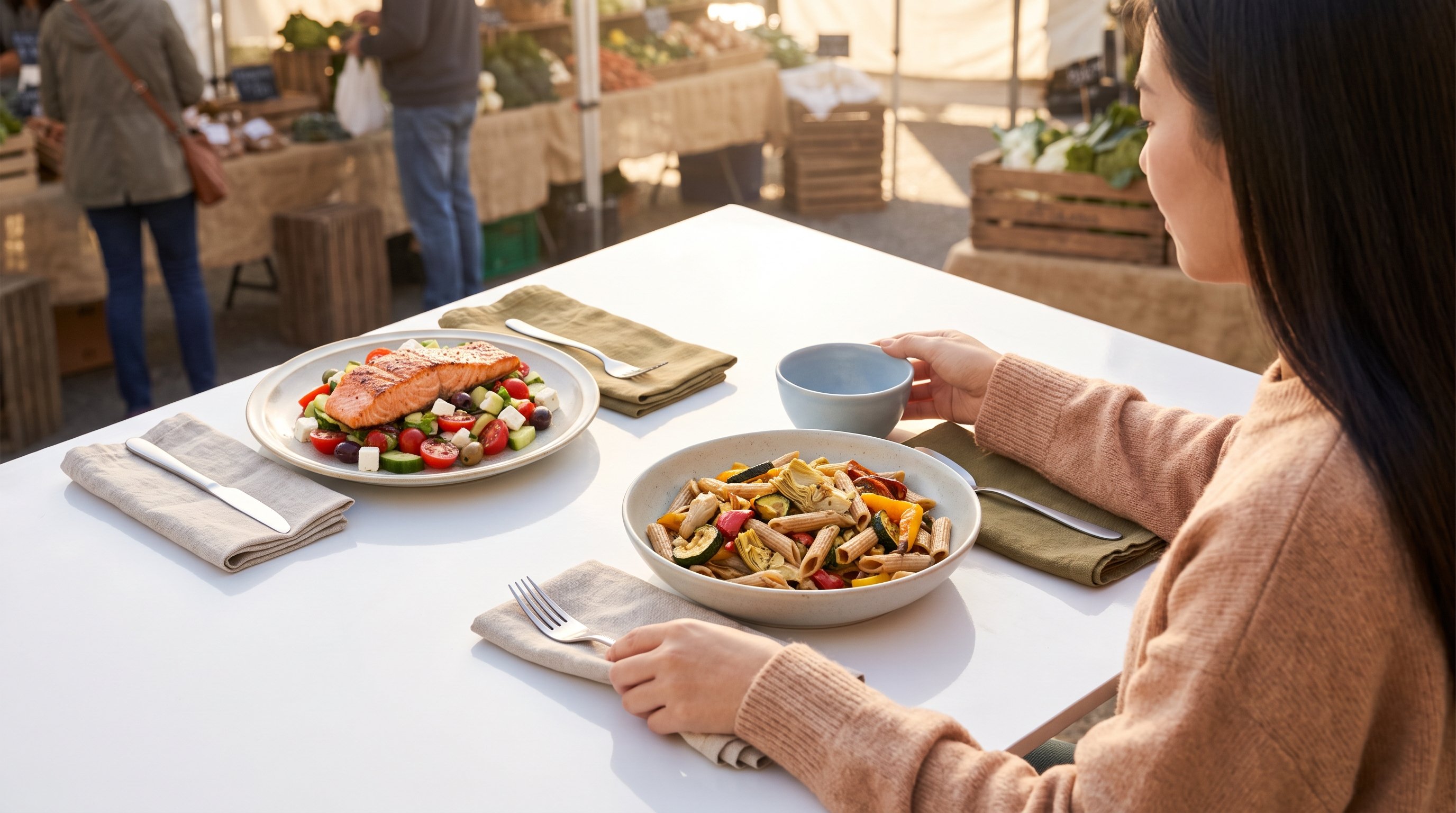
You keep the flavors and meals you like, and shift what is on the plate toward vegetables, legumes, whole grains, fish, olive oil and herbs. Nothing is banned outright, so there is nothing to rebel against.
It's the honest idea behind the name: no more diets that ask you to become a different person before dinner.
Myth: Carbs Are Fattening
It is one of the most repeated food rules there is, and it does not hold up. No single nutrient makes the body store fat on its own.
Overall intake over time does that, whatever it is made of.
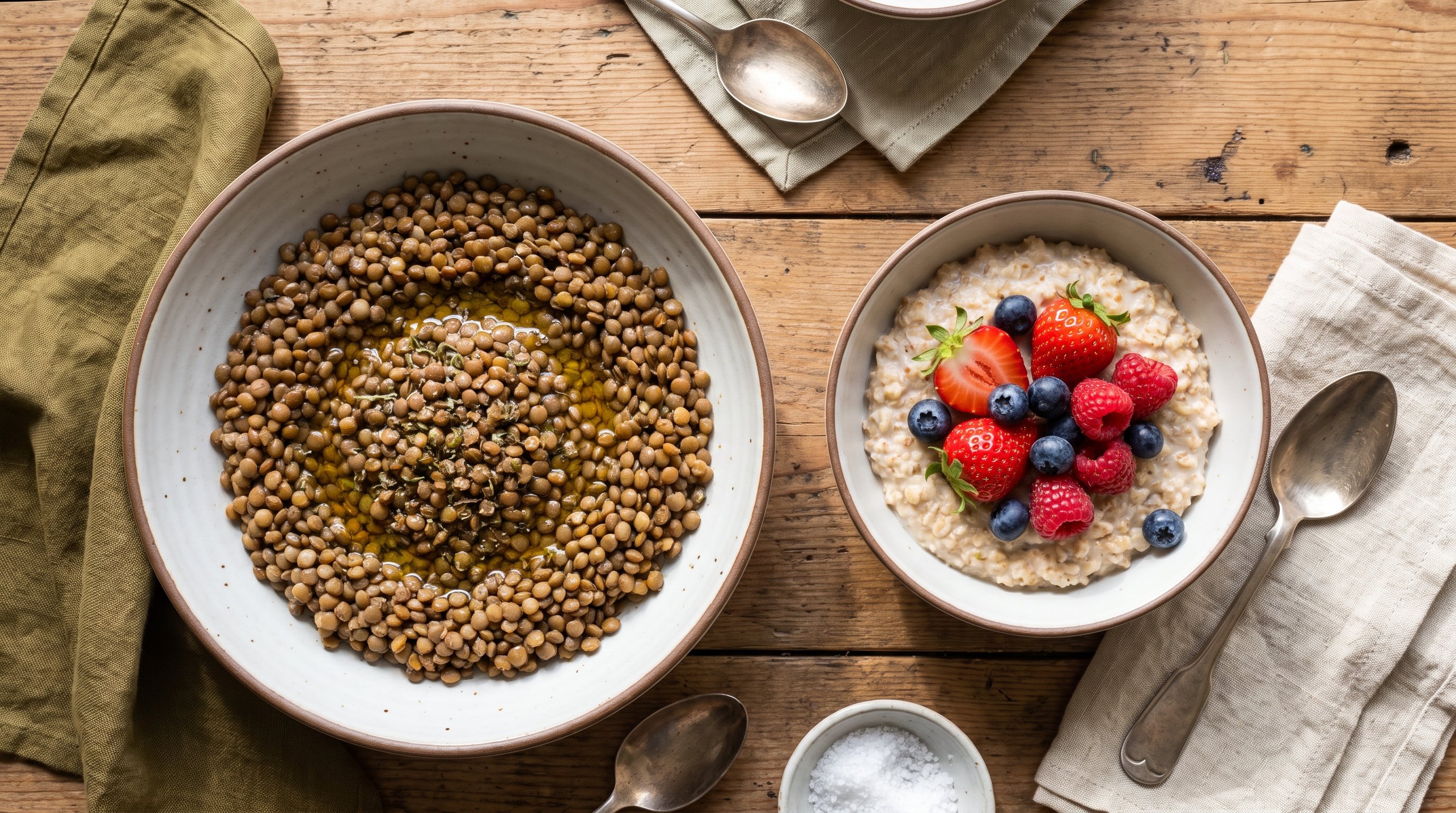
Mediterranean eating is a good example. It is built on carbohydrates - bread, beans, lentils, chickpeas, whole grains, fruit and vegetables - and it is one of the most widely recommended ways to eat.
What makes carbs feel "fattening" is usually what travels with them: the butter, the sugar, the portion size, the third slice. Fiber-rich carbs eaten alongside protein and healthy fats tend to keep you full for longer, which makes balanced eating easier, not harder.
So the practical answer is not to fear the bread basket. It is to choose the carbs that come with fiber, pair them well, and let a sensible plan handle the portions.
Customized Book vs. the Generic Mediterranean Cookbook
Most people searching for a Mediterranean diet book are choosing between something like this and a standard cookbook off the shelf. Here is how they compare.
| Factor | Customized book | Generic Mediterranean cookbook |
|---|---|---|
| Recipes | Built around foods you rated and excluded | Written for an average reader |
| Starting point | Pitched to your experience level | Assumes you know the basics, or explains everything |
| Meal plan | Tailored to your goal and routine | Often none, or one fixed plan for everyone |
| Exclusions | Applied from the start | You swap ingredients yourself, every time |
| Goal focus | A dedicated section for your main goal | General advice |
| Extras | Companion app with shopping list and trackers | Usually just the book |
| Cover | Your name, your color | Same as everyone's |
A good generic cookbook is still a good cookbook. The difference is how much work you have to do before a recipe fits your life.
What a Book Can't Do
A book is a plan, not a result. It can make the right choice the easy choice, but it cannot cook dinner for you.
No food in it burns fat, and no recipe is a shortcut. Mediterranean eating works because it is satisfying and easy to keep up, which makes a balanced intake easier to hold week after week.
That is less dramatic than a miracle ingredient, and far more useful.
It is also not medical advice. If you have a health condition, allergies or specific dietary needs, check with a doctor or dietitian before changing how you eat.
The book is there to make good everyday food simpler, not to treat anything.
How Long Until It Helps
Think in chapters rather than days. Reading the book and stocking the kitchen is week one.
The ebook arrives by email, and the site says the paperback takes 8-16 business days, so many people start from the digital copy while the printed one is on its way.
The first changes are usually practical: fewer "what's for dinner" moments, a shopping list that actually gets used, a couple of recipes you would happily make again. Those small wins land early, and the physical changes build from there as the habits settle in.
The most common drop-off point is around weeks two to four, when the novelty fades. That is exactly where having meals you genuinely like earns its keep.
Getting the No More Diet Book
The book is ordered through the official site. You take the quiz, preview your cover, and choose a format: a paperback (with free shipping, according to the site) or an ebook delivered to your email.
A hardcover edition is also offered during ordering.
Your order can include the companion app, which adds a meal plan on your phone, daily challenges, trackers and a shopping list. On the web checkout, the app comes with a free first month, then renews monthly unless you cancel - worth noting in your calendar so there are no surprises.
You can manage it from the site or by emailing [email protected].
Start the quiz at nomore.diet
Eat Without Stress
Eat Clean Every Day
Final Thoughts
The best eating plan is the one you are still following in three months. A Mediterranean book built from your own likes, dislikes and routine gives you a real chance of getting there, because there is nothing in it you have to force down.
Take the quiz honestly, mark the foods you really will not eat, and start with the two or three recipes that look easiest. Consistency is unglamorous and it wins anyway.
FAQ
It is both: a customized Mediterranean cookbook with a meal plan, plus nutrition and lifestyle guidance built around your goal. The recipes and plan are shaped by the foods you rated and excluded in the quiz.
No. The quiz asks how familiar you are, and the book includes a beginner's guide with simple explanations and grocery tips.
Yes. You can leave out groups such as meat, fish, seafood, eggs or dairy, and single ingredients such as nuts, legumes, tomatoes, olives or gluten.
The site says most meals take about 10-15 minutes. They use everyday ingredients from a regular grocery store, with no special tools needed.
Share this post