Mediterranean Diet Recipes: A Simple Way To Start Cooking
By:Author:No More Diet Editorial
Updated on:October 18, 2026
- Do Mediterranean Diet Recipes Actually Hold Up?
- How Mediterranean Diet Recipes Actually Deliver Results
- How Many Mediterranean Diet Recipes Do You Actually Need?
- Mediterranean Recipes Versus Strict Meal Plans
- Fitting Mediterranean Recipes Into a Busy Week
- The Myth of Overnight Results From Eating Mediterranean
- What Actually Changes the Outcome
- Mistakes That Stall Mediterranean Cooking
- Making Mediterranean Recipes Easier With No More Diet
- Starting Your Own Mediterranean Recipe Rotation
Mediterranean diet recipes work because they swap out processed, low-fibre ingredients for whole foods you can keep eating without feeling deprived. That's the whole mechanism: better ingredients, similar meals, fewer reasons to quit.
The pattern leans on vegetables, olive oil, fish, legumes and whole grains, cooked simply rather than stripped out or restricted. There's no single magic ingredient doing the work - it's the combination, repeated often enough to become normal.
This guide covers whether the recipes actually hold up, how much you need to change, what a realistic week looks like, and the mistakes that quietly derail people before they get started.
Do Mediterranean Diet Recipes Actually Hold Up?
The honest answer is yes, as far as recipes can do anything - they change what's on your plate, and what's on your plate is most of what determines how you eat over time.
A recipe built around vegetables, olive oil and a protein source naturally displaces the ultra-processed, low-fibre option it replaces at that meal. You're not adding a rule on top of your existing diet - you're swapping the meal itself.
Do the arithmetic on a single dinner: a pasta dish made with wholegrain pasta, olive oil, tomatoes, chickpeas and greens has more fibre and more volume per calorie than the same plate made with white pasta and a cream-based sauce.
More fibre and more volume usually means you feel satisfied on a similar or smaller amount of food, which is the entire logic behind why this way of eating tends to be easier to sustain than cutting food groups out.
How Mediterranean Diet Recipes Actually Deliver Results
There are two separate mechanisms doing the work here, and it helps to understand both rather than treat the whole thing as one vague idea.
The Ingredient Swap
Olive oil instead of butter or refined seed oils, whole grains instead of refined ones, legumes and fish instead of relying only on red or processed meat - each swap is small, but they stack across a week of meals.
The Structure Behind the Plate
Most dishes in this style build the plate around vegetables and plant protein first, with meat or fish as one part rather than the centre - that structure naturally lowers the share of the plate taken up by low-fibre, calorie-dense food without you needing to measure anything.
How Many Mediterranean Diet Recipes Do You Actually Need?
You don't need a huge library of recipes - you need a handful you'll actually repeat, because repetition is what turns a recipe into a habit.
Start With a Rotating Set
Five or six recipes covering breakfast, lunch and dinner is enough to get through most of a week without repeating the same plate two nights running, and it's a far smaller ask than overhauling every meal at once.

The table below gives a simple starting rotation - adjust portions and swap ingredients for what you actually like and can get hold of.
| Meal | Example | How Often |
|---|---|---|
| Breakfast | Greek yoghurt, nuts, fruit | 4 to 5 times weekly |
| Lunch | Chickpea and vegetable salad | 3 to 4 times weekly |
| Dinner | Baked fish with greens | 2 to 3 times weekly |
| Dinner | Wholegrain pasta with vegetables | 1 to 2 times weekly |
| Snack | Olives, nuts, fresh fruit | Most days |
Mediterranean Recipes Versus Strict Meal Plans
The harder alternative is a rigid, calorie-counted meal plan with no substitutions allowed - it can work on paper, but it depends on following it exactly, every day, indefinitely.
These recipes don't ask for that level of precision because the ingredients themselves are already doing most of the work through fibre and volume, not through exact numbers.
That means a missed day or a swapped ingredient doesn't break anything - you're still eating in roughly the same direction, which is exactly why this approach tends to get followed for longer than a plan built on strict adherence.
Fitting Mediterranean Recipes Into a Busy Week
Real weeks involve late meetings, tired evenings and nights where cooking from scratch just isn't happening - the recipes need to survive that, not just a perfect Sunday.
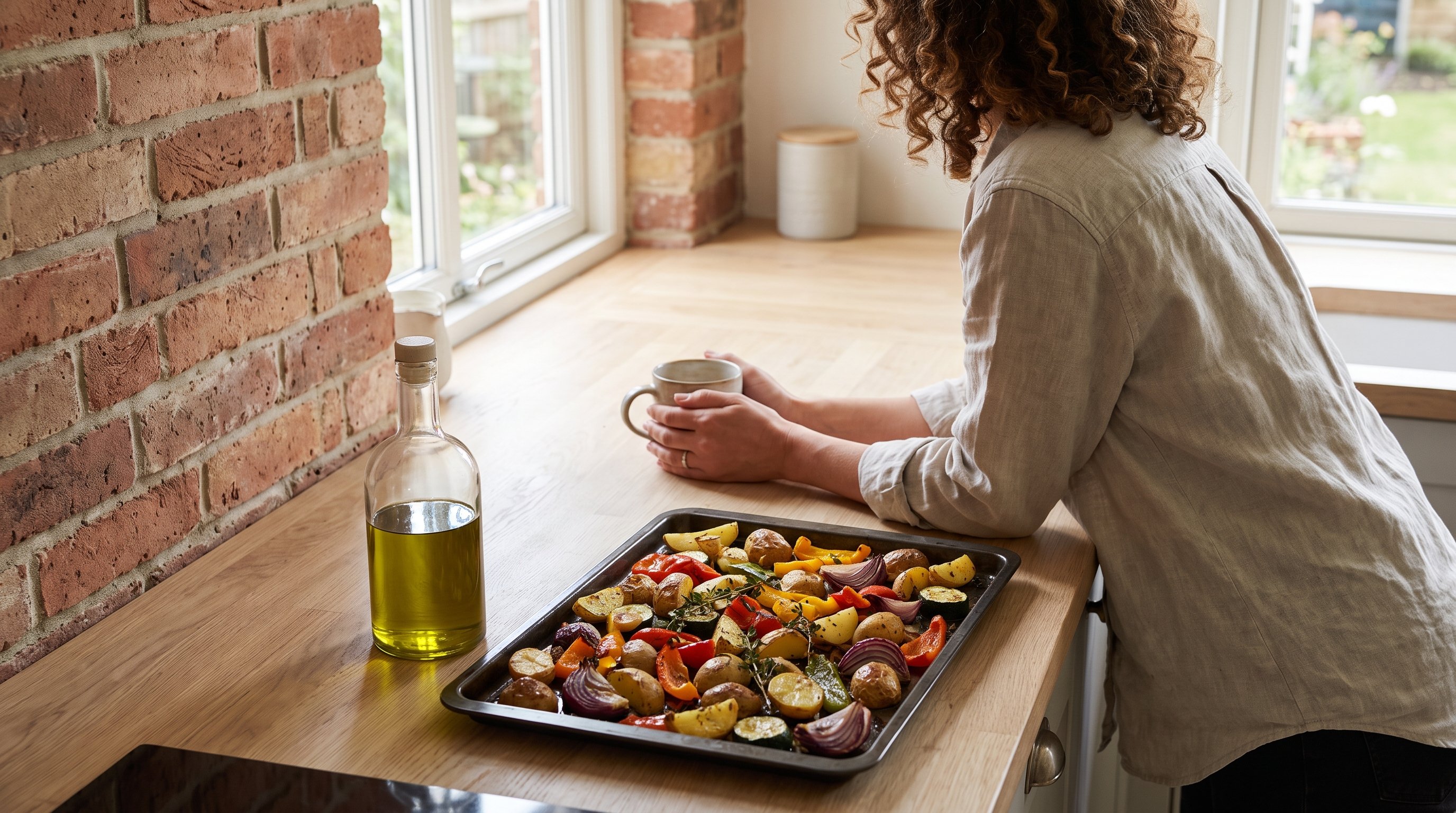
Batch-cooking a grain base, a tray of roasted vegetables and a pot of beans at the start of the week means dinner becomes assembly rather than cooking from zero most nights.
This is where a book like No More Diet earns its place - it gives you a meal plan built around food you already like, so you're not inventing a new recipe from scratch every time you're short on time or energy.
Having that structure ready means the decision of what to cook is already made before the tired evening even arrives.
The Myth of Overnight Results From Eating Mediterranean
No recipe, however well built, delivers overnight results, and none of them target fat in one specific area of the body - that's simply not how the body stores or releases energy.
What these recipes do is shift the quality and volume of what you eat, consistently, over time - the change shows up gradually, as a result of repeated meals, not a single dish or a single week.

The real answer is unglamorous: pick meals you'll actually keep making, repeat them, and let the pattern do the work across weeks and months rather than days.
What Actually Changes the Outcome
Not every factor matters equally - three things tend to carry most of the weight in how well these recipes work for you.
The Factors That Matter Most
- How often you repeat the recipes - a handful of meals cooked weekly beats a huge recipe collection you only try once
- How much of the plate is vegetables and whole grains - this drives the fibre and volume that make meals satisfying
- Whether the recipes fit your actual schedule - a recipe you can't realistically cook on a Tuesday night gets skipped, however good it is
Mistakes That Stall Mediterranean Cooking
Collecting Recipes Instead of Cooking Them
Saving dozens of recipes but never repeating any of them means nothing becomes habit - pick five, cook them on rotation, and add more only once those feel automatic.
Treating Olive Oil As Optional
Skipping the oil to save calories removes one of the main reasons these meals feel satisfying - use it generously rather than sparingly.
Skipping the Protein or Legumes
A plate of vegetables alone won't hold you until the next meal - pair it with fish, eggs, beans or chickpeas so the meal actually lasts.
Expecting Every Meal to Be From Scratch
Trying to cook elaborate dishes every night is exhausting and unsustainable - lean on batch-cooked bases and simple assembly for most weekday meals.
Making Mediterranean Recipes Easier With No More Diet
Building a rotation of recipes from scratch, working out portions, and figuring out what fits your schedule is a lot to sort out alone, especially in the first few weeks.
No More Diet is built as a customized book, giving you Mediterranean recipes that match your eating preferences along with a dedicated section focused on your specific goal, so you're not guessing which recipes to prioritise.
It also includes practical lifestyle and nutrition advice on eating, moving and staying consistent, designed to work in real life rather than in theory.
Eat Without Stress
Eat Clean Every Day
Starting Your Own Mediterranean Recipe Rotation
Pick three or four recipes this week, cook them once, and keep the ones that actually fit your schedule and taste - that's the whole starting point.
No More Diet can take the guesswork out of that process by giving you a tailored set of recipes and a structure built around your goal from the start, rather than leaving you to build it meal by meal on your own.
FAQ
They tend to replace lower-fibre, more processed meals with higher-fibre, higher-volume ones, which generally makes it easier to eat fewer calories without feeling restricted. The effect depends on how often you cook them, not on any single recipe.
No, it's a pattern of ingredients and cooking methods, not a set of banned foods or strict rules. Nothing is off-limits, which is part of why it's easier to keep going with it long-term.
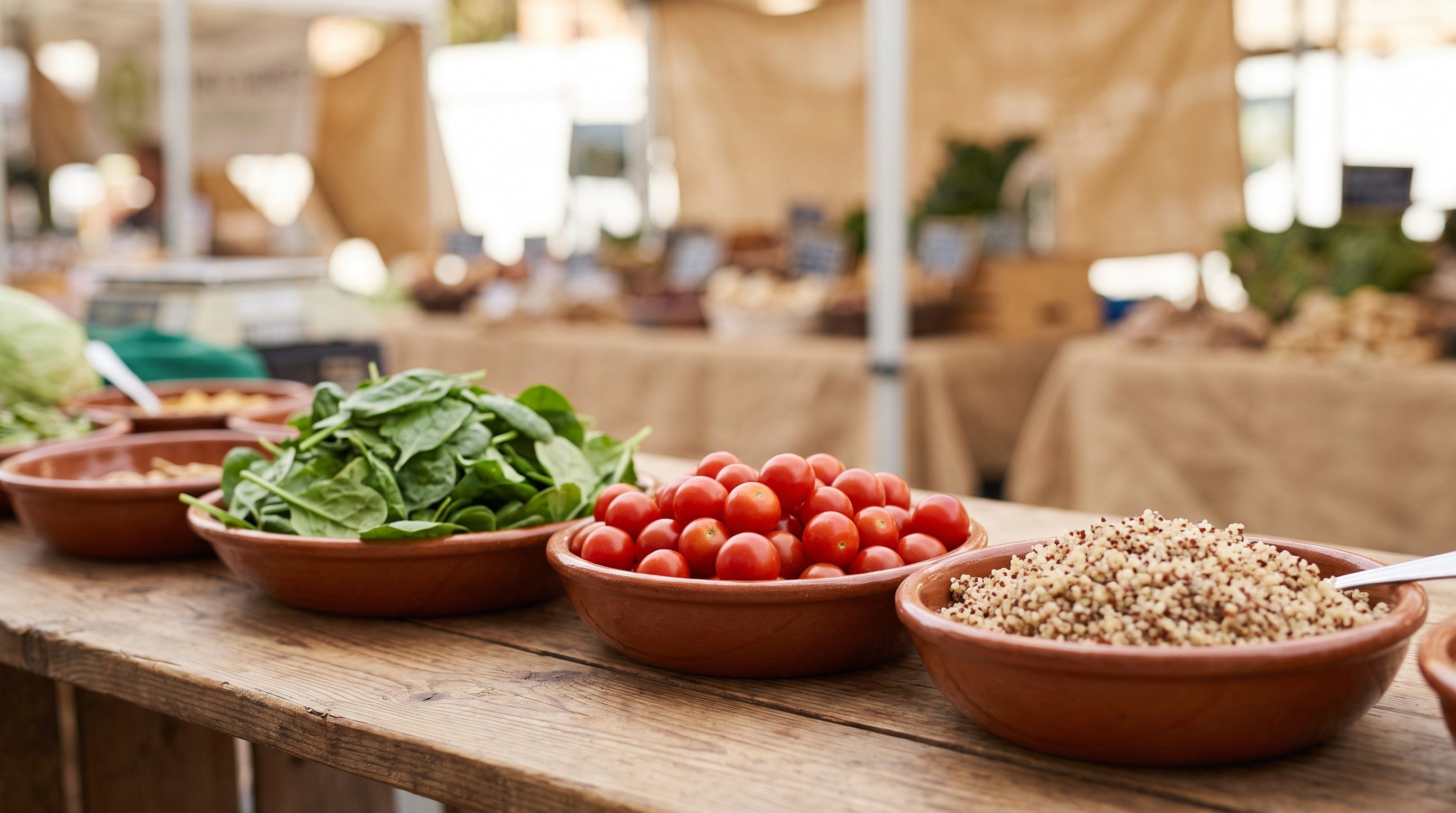
Legumes, frozen vegetables, tinned fish and seasonal produce fit the same pattern and cost less than many processed alternatives. The core ingredients - oil, grains, beans, vegetables - don't have to be the premium versions to work.
Running out of recipe ideas or trying to cook from scratch every single night is the most common drop-off point. A tailored book like No More Diet can keep the rotation going by handing you recipes and structure instead of leaving you to invent it all yourself.
Share this post