7 Day Mediterranean Meal Plan: A Simple Week You Can Follow
By:Author:No More Diet Editorial
Updated on:October 18, 2026

- Does a Week of Mediterranean Meals Really Change Anything?
- How the Seven Day Structure Actually Comes Together
- How Often Each Meal Type Should Show Up
- Why Rotating Simple Meals Beats a Rigid Diet Plan
- Fitting a Week of Mediterranean Meals Around Real Life
- The Myth That One Perfect Week Fixes Everything
- What Actually Changes How the Week Feels
- Mistakes That Derail a Mediterranean Week
- Building Your Weekly Mediterranean Meal Plan With No More Diet
- Starting Your Own Week of Mediterranean Meals
A 7 day Mediterranean meal plan is simply a week of meals built around vegetables, whole grains, legumes, fish, olive oil and a smaller amount of meat, repeated in a pattern you can actually remember.
The mechanism is not complicated: swap less useful calories for ones that keep you fuller for longer, and you naturally eat less without white-knuckling it through hunger.
This article covers whether the plan holds up, how the week actually fits together, how often to repeat meals, what trips people up, and how to build a version of it that suits your own kitchen.
Does a Week of Mediterranean Meals Really Change Anything?
The honest answer is that a week of Mediterranean eating works the same way any sensible eating pattern works: it changes what fills your plate, which changes how much you eat without you having to measure it.
A plate built around vegetables, legumes and whole grains takes up more space and more chewing time than the same calories in refined carbs or fried food, so you tend to stop eating sooner.
Over seven days that adds up to a noticeably different shopping basket and a noticeably different set of leftovers, even if no single meal feels like a diet meal.
There's no figure to promise here, because everyone's starting plate looks different, but the arithmetic of swapping fibre and protein for refined carbs is simple enough to trust.
How the Seven Day Structure Actually Comes Together
Repeating a Small Set of Building Blocks
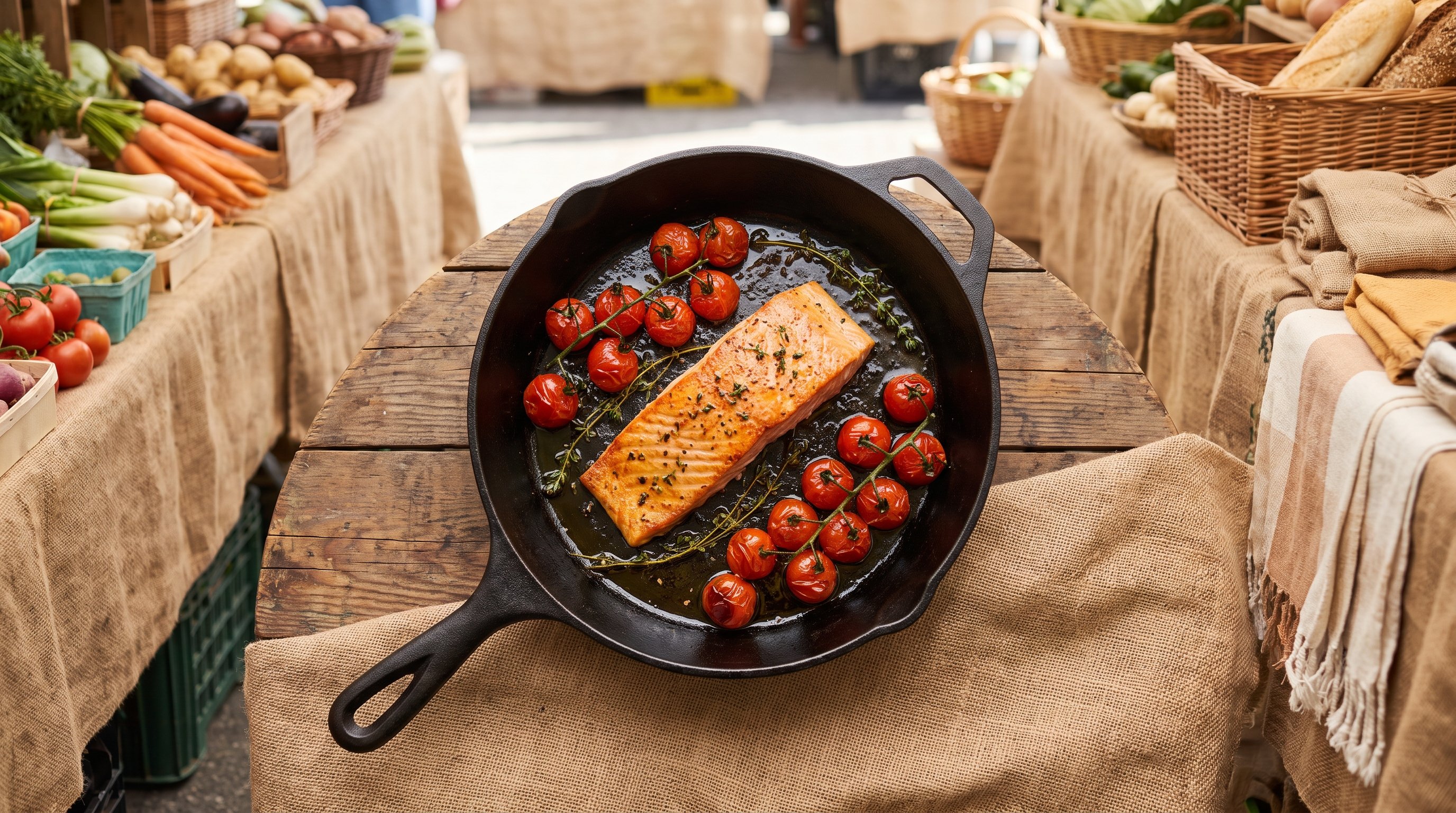
Instead of seven unique dinners, a workable week leans on three or four core meals - a grain and vegetable bowl, a fish night, a legume stew, a simple salad plate - repeated with small swaps in vegetables or herbs.
Anchoring Each Meal to Protein and Fibre
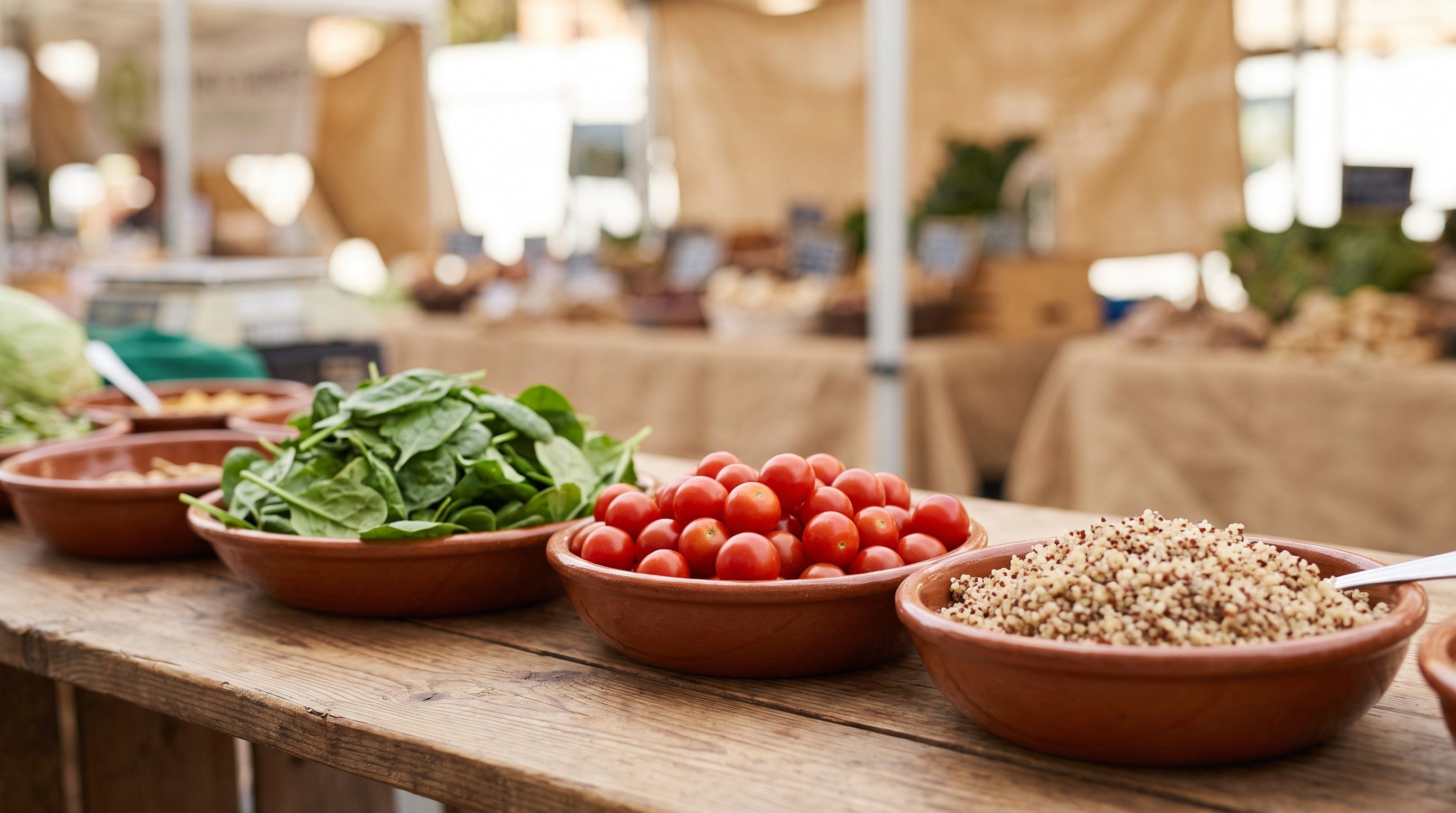
Every meal in the week gets built around one protein source (fish, eggs, legumes or a small amount of meat) plus one fibre source (vegetables, whole grains or beans), so fullness is built in rather than added on top.
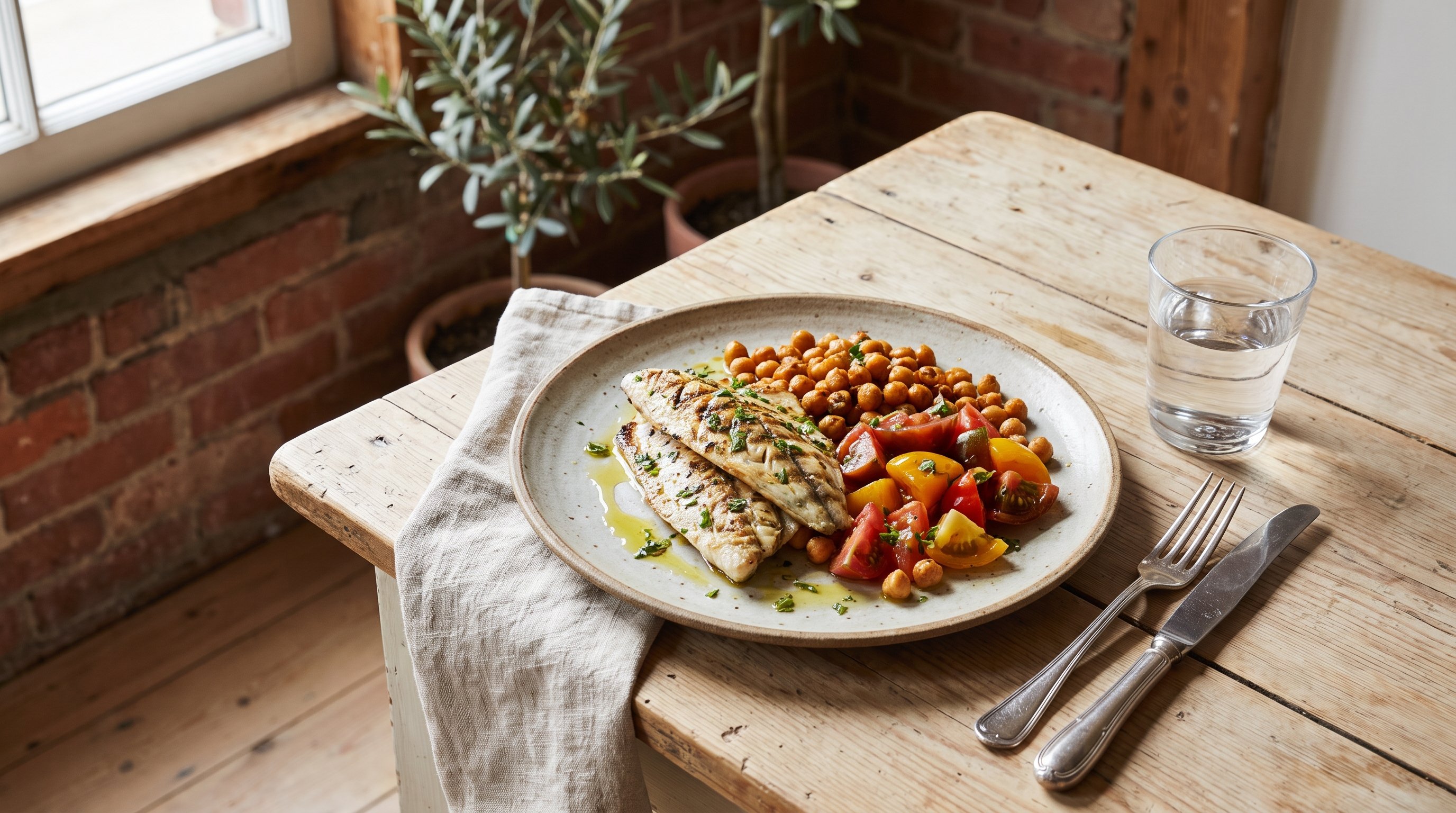
That structure is what makes seven days of meals feel like a pattern rather than seven separate problems to solve.
How Often Each Meal Type Should Show Up
A Rough Split Across the Week
A workable week isn't fish every night or salad every lunch - it's a rotation, so no single ingredient carries the whole plan.
| Meal Type | Times per Week |
|---|---|
| Fish or seafood | 2-3 times |
| Legume-based meal | 2-3 times |
| Vegetable-forward salad | Daily |
| Whole grain side | 4-5 times |
| Red meat | 0-1 times |
Treat this as a rough shape to copy, not a rulebook - swapping a legume night for an extra fish night changes nothing important.
Why Rotating Simple Meals Beats a Rigid Diet Plan
A Mediterranean week that repeats a handful of meals is easier to stick with than a strict calorie-counted diet plan that demands a different, exact recipe every night.
Strict plans fail on fit, not on quality - they assume everyone has the same schedule, the same taste, the same kitchen, and the same evening free to cook from scratch.
A rotation of meals you actually like, made from ingredients you already buy, survives a bad week because there's nothing rigid to break.
That's the real argument for repetition: it's not boring, it's reliable, and reliable is what gets you to day seven.
Fitting a Week of Mediterranean Meals Around Real Life
The busiest part of any week isn't deciding what Mediterranean eating means - it's finding ten minutes between work, errands and everything else to actually cook it.
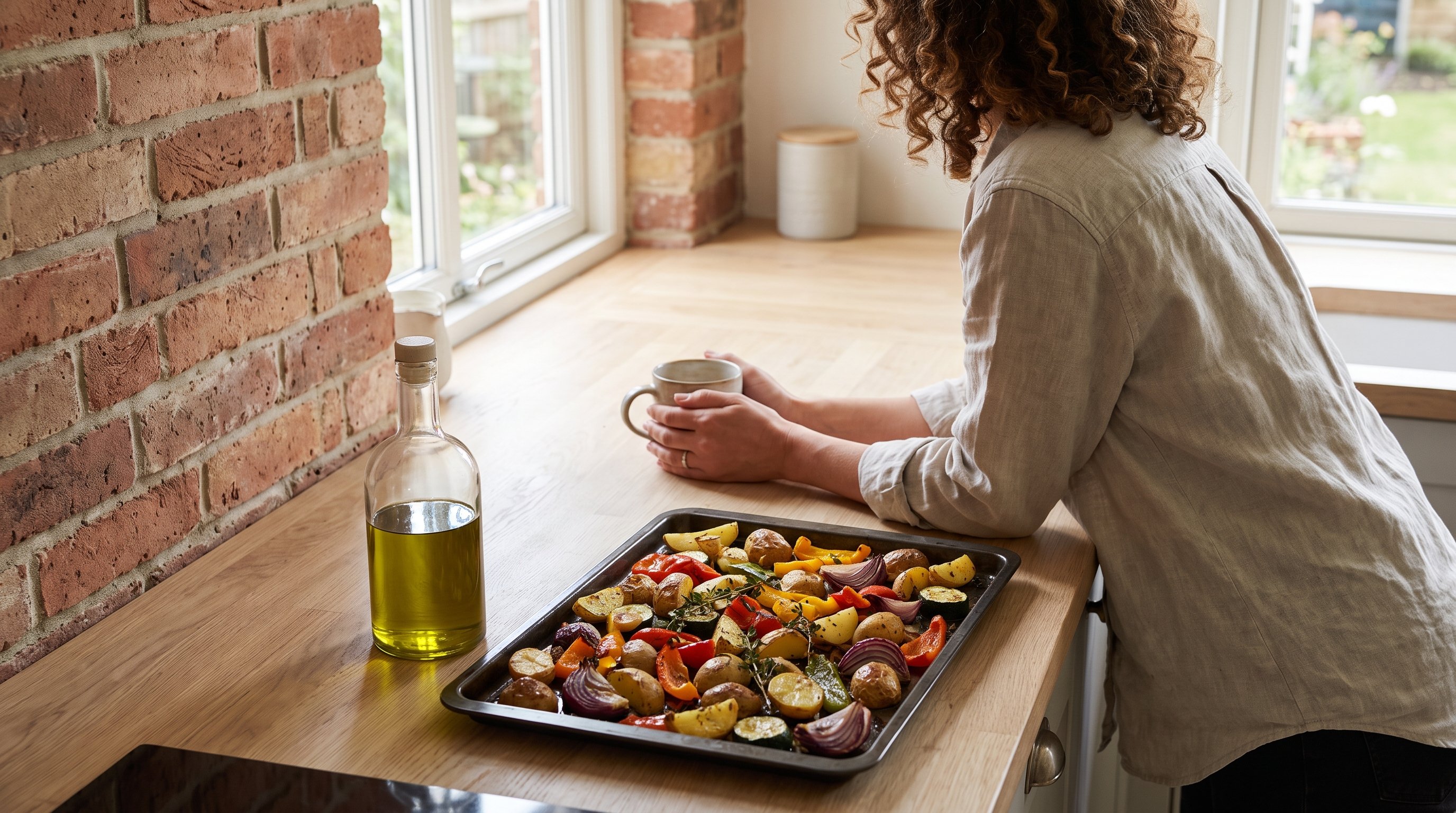
Batch-cooking one grain and one legume base at the start of the week means dinner becomes assembly, not cooking from zero, on the nights you're short on time.
This is where a meal plan built around food you already like matters more than any strict schedule - No More Diet gives you Mediterranean recipes matched to your own eating preferences, so the week doesn't rely on willpower to get through.
A plan that fits your actual evenings is the one that still exists by Friday.
The Myth That One Perfect Week Fixes Everything
No single week of eating, however well built, targets a specific part of the body or produces an overnight change - that's not how digestion or metabolism work, and no meal plan can promise otherwise.
This Mediterranean eating template isn't a reset button or a short course of treatment - it's a framework you repeat, adjust and keep using well past day seven.
The real value of the first week is learning which meals you'll actually make again, not hitting a number by Sunday.
Judge the plan by whether week two looks like week one, not by what changed in seven days.
What Actually Changes How the Week Feels
Three things decide whether this approach sticks or quietly falls apart.
The Three Biggest Levers
- How much you repeat meals - fewer unique recipes means less decision fatigue and less food waste by the end of the week.
- Whether meals match your actual taste - a technically balanced plate you don't enjoy gets abandoned faster than an imperfect one you look forward to.
- How much is prepped in advance - a grain or legume base cooked once covers several meals later in the week.
Mistakes That Derail a Mediterranean Week
Planning Seven Unique Dinners
Trying to cook something different every single night is the fastest way to burn out by Wednesday - plan three or four meals and repeat them with small swaps instead.
Skipping the Prep Step
Without a batch of cooked grains or beans ready to go, every dinner starts from scratch, which eats time you don't have on a weeknight.

Ignoring What You Actually Like
Copying someone else's meal plan word for word usually means cooking food you wouldn't normally choose, which is why it gets dropped after a few days.
Treating the Week As All or Nothing
Missing one meal or reaching for takeaway once doesn't undo the week - the pattern only matters over time, not in any single day.
Building Your Weekly Mediterranean Meal Plan With No More Diet
Putting together seven days of meals that actually match your taste, your schedule and your goal takes more than a generic list of Mediterranean recipes copied from somewhere else.
No More Diet is built as a customized book from cover to cover, with Mediterranean recipes matched to your eating preferences and a dedicated section focused on your specific goal, so the week you build is one you'll actually finish.
It also includes practical lifestyle and nutrition advice for eating, moving and staying consistent without overthinking every meal, plus the structure and motivation to keep the pattern going past the first week.

Eat Without Stress
Eat Clean Every Day
Starting Your Own Week of Mediterranean Meals
Pick three or four meals you already like the sound of, batch-cook one grain and one legume at the start of the week, and let those two things carry most of your seven days.
That's the whole plan - repeat it next week with one or two swaps, and it stops being a meal plan and starts being how you eat, which is exactly what No More Diet is designed to help you build.
FAQ
It can support it, because meals built around vegetables, legumes and fish tend to be more filling for fewer calories than refined, processed meals. There's no fixed outcome or timeframe to promise, since every starting point and every week is different.
No - the pattern works through substitution, not elimination, so nothing is off the table and no food group gets banned outright. That's what makes it easier to repeat past week one, unlike plans built on cutting things out.
There doesn't need to be seven different meals - three or four repeated with small swaps is the whole approach, and batching a grain or legume base once covers several dinners. No More Diet's recipes are built with exactly this kind of repeat-friendly structure in mind.
Trying to cook something completely new every night is the most common reason it falls apart, along with picking recipes that don't match personal taste. Sticking to a small rotation of meals you genuinely enjoy solves both problems at once.
Share this post