Simple Whole Food Meals: An Easy Way To Eat Better
By:Author:No More Diet Editorial
Updated on:October 18, 2026
- Do Simple Whole Food Meals Actually Fill You Up?
- Weighing Whole Food Meals Against Packaged Convenience Food
- Why Everyday Simplicity Beats an Elaborate Meal System
- Who This Way of Cooking Suits and How to Adjust It
- Making Simple Whole Food Meals Work on a Packed Week
- The Myth That One Clean Meal Erases a Bad Week
- Turning Whole Food Habits Into a Plan With No More Diet
- Starting Your Own Whole Food Routine This Week
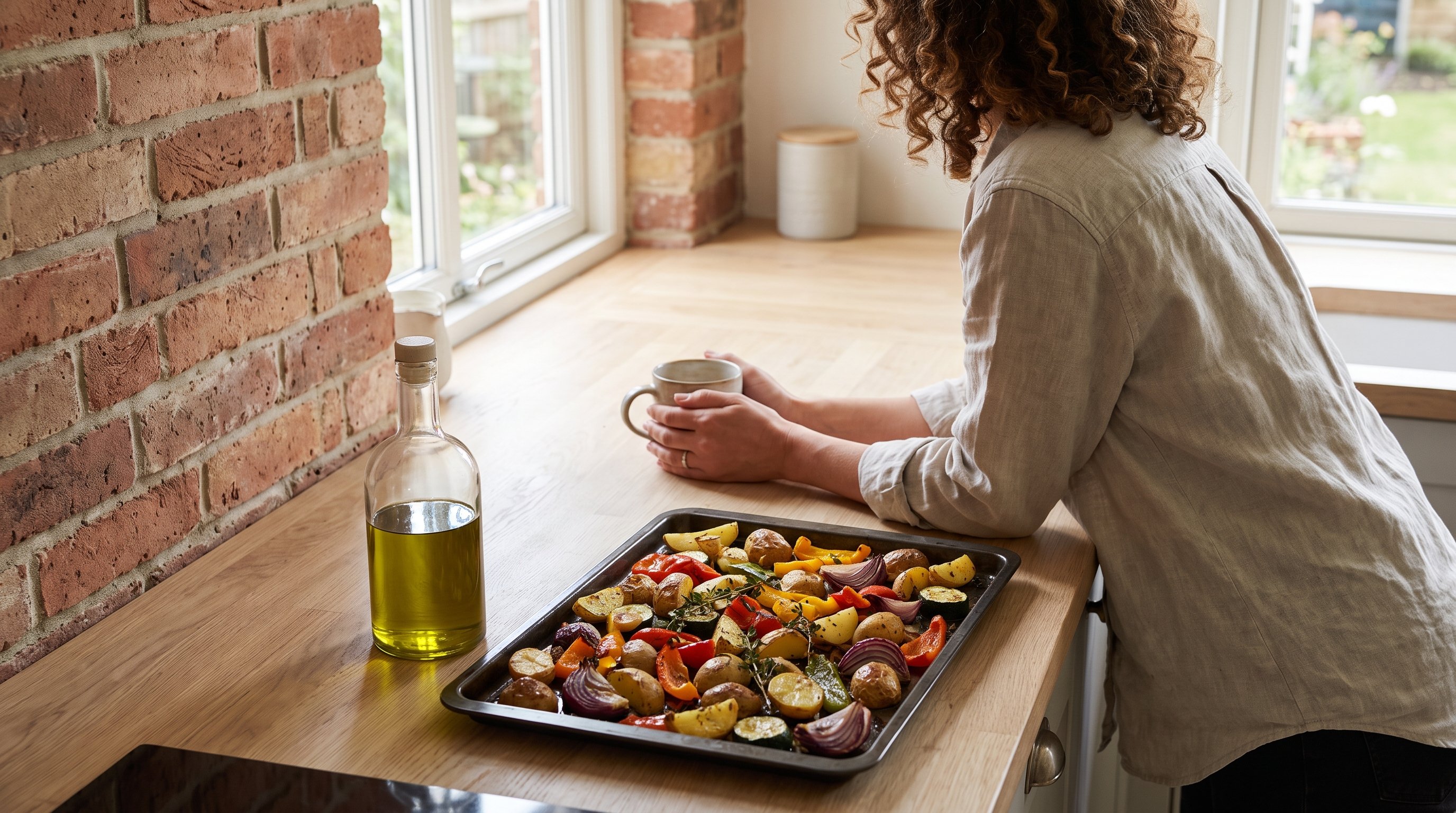
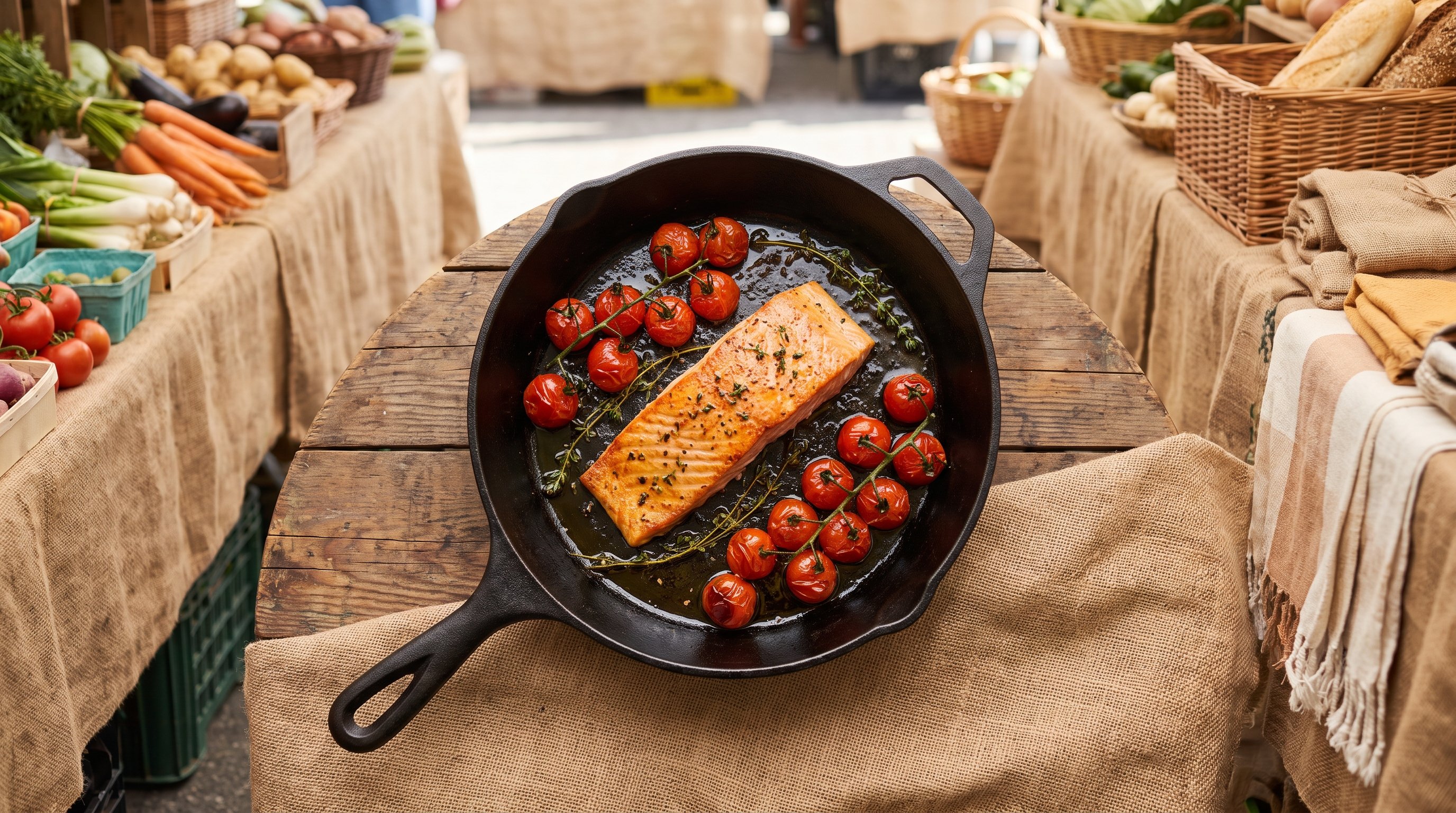
Simple whole food meals means cooking with ingredients close to their natural state - vegetables, whole grains, beans, fish, olive oil - rather than relying on packaged or heavily processed food. The appeal is practical: fewer ingredients, less decision fatigue, and meals that come together without a recipe card in hand.
The mechanism is straightforward. Whole foods tend to carry more fibre, water and protein per calorie than processed versions, which means meals built around them fill you up on less food without any special rule or restriction.
This article covers whether the approach actually works, how it compares to stricter plans, who it suits, and how to fit it into a week that does not leave much time for cooking.
Do Simple Whole Food Meals Actually Fill You Up?
Yes, and the reason is fairly plain arithmetic rather than anything mysterious. A plate built from vegetables, a portion of whole grain, a source of protein and a drizzle of olive oil takes up more physical space in the stomach than the same number of calories from refined carbohydrate and added sugar.
Take a simple lunch: a cup of cooked lentils, a large handful of mixed vegetables, and a tablespoon of olive oil. Compare that to a white bread sandwich with processed meat and a flavoured yoghurt - similar calories on paper, but one leaves far more on the plate in terms of fibre and volume.
That extra fibre and water content is what tends to stretch out the feeling of fullness between meals, which matters more for day-to-day eating than any single ingredient ever could.
Weighing Whole Food Meals Against Packaged Convenience Food
Most people are not choosing between whole food meals and starvation - they are choosing between cooking something simple and grabbing something packaged on the way home. Both options take time and both cost money, so the real decision comes down to what each one gives back.
| Factor | Whole Food Meal | Packaged Meal |
|---|---|---|
| Prep time | 10-20 minutes | 2-5 minutes |
| Fibre content | Generally higher | Often low |
| Ingredient list | Short, recognisable | Long, processed |
| Cost per meal | Often lower | Varies, can be higher |
| Fullness per calorie | Typically higher | Typically lower |
Neither option is a moral failing - the table is just a way to see where the trade-offs actually sit, so the choice can be made with eyes open rather than on autopilot.
Why Everyday Simplicity Beats an Elaborate Meal System
An elaborate meal system with weighed portions and colour-coded containers can work for a week or two, but it tends to fall apart the moment life gets busy. Simple whole food meals do not ask for that much upkeep, which is exactly why they tend to stick around longer.
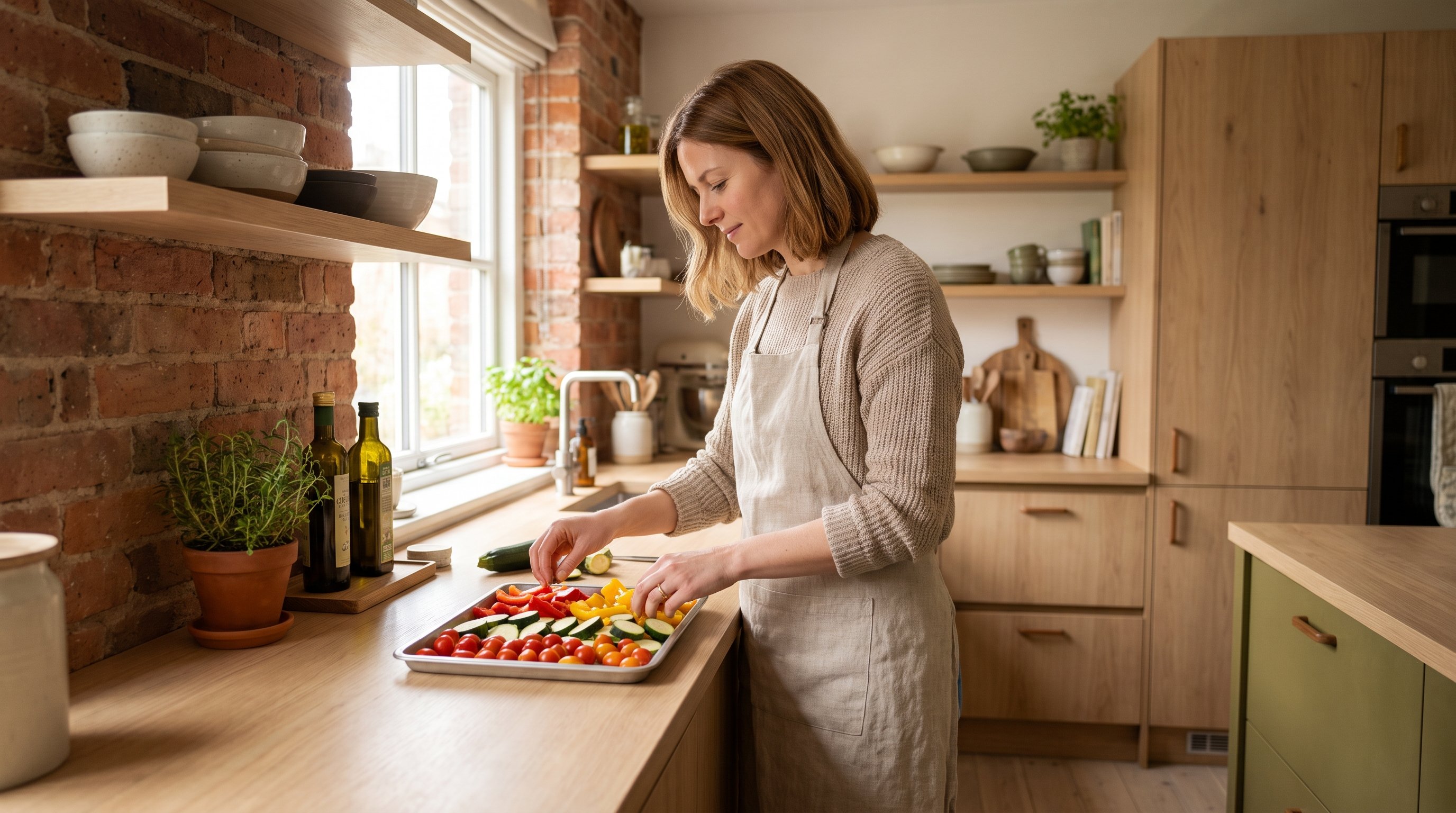
The adherence argument is simple: a method you can follow on a tired Tuesday beats a method that only works on a calm Sunday. If a dinner takes one pan, a handful of ingredients and twenty minutes, it survives a late meeting or a tired evening.
Elimination-style plans also tend to create an all-or-nothing mindset, where one off-plan meal feels like failure. Swapping in more whole foods, meal by meal, avoids that trap because there is no strict line to cross in the first place.
Who This Way of Cooking Suits and How to Adjust It
If You Are New to Cooking From Scratch
Start with two or three meals a week built from a protein, a vegetable and a whole grain - no new recipe needed, just the same formula with different ingredients.
If Your Week Is Already Full
Lean on meals that use one pan or one pot, and cook a double batch of grains or beans once so later meals only need assembling.
If You Are Cooking for an Older Household
Softer-cooked vegetables, beans and fish stay easy to chew and digest while still delivering the fibre and protein that make meals satisfying.
If You Are Cooking for a Family With Mixed Tastes
Build the base the same way for everyone - grain, vegetable, protein - then let each person add their own extras like cheese, nuts or a sauce.
Making Simple Whole Food Meals Work on a Packed Week
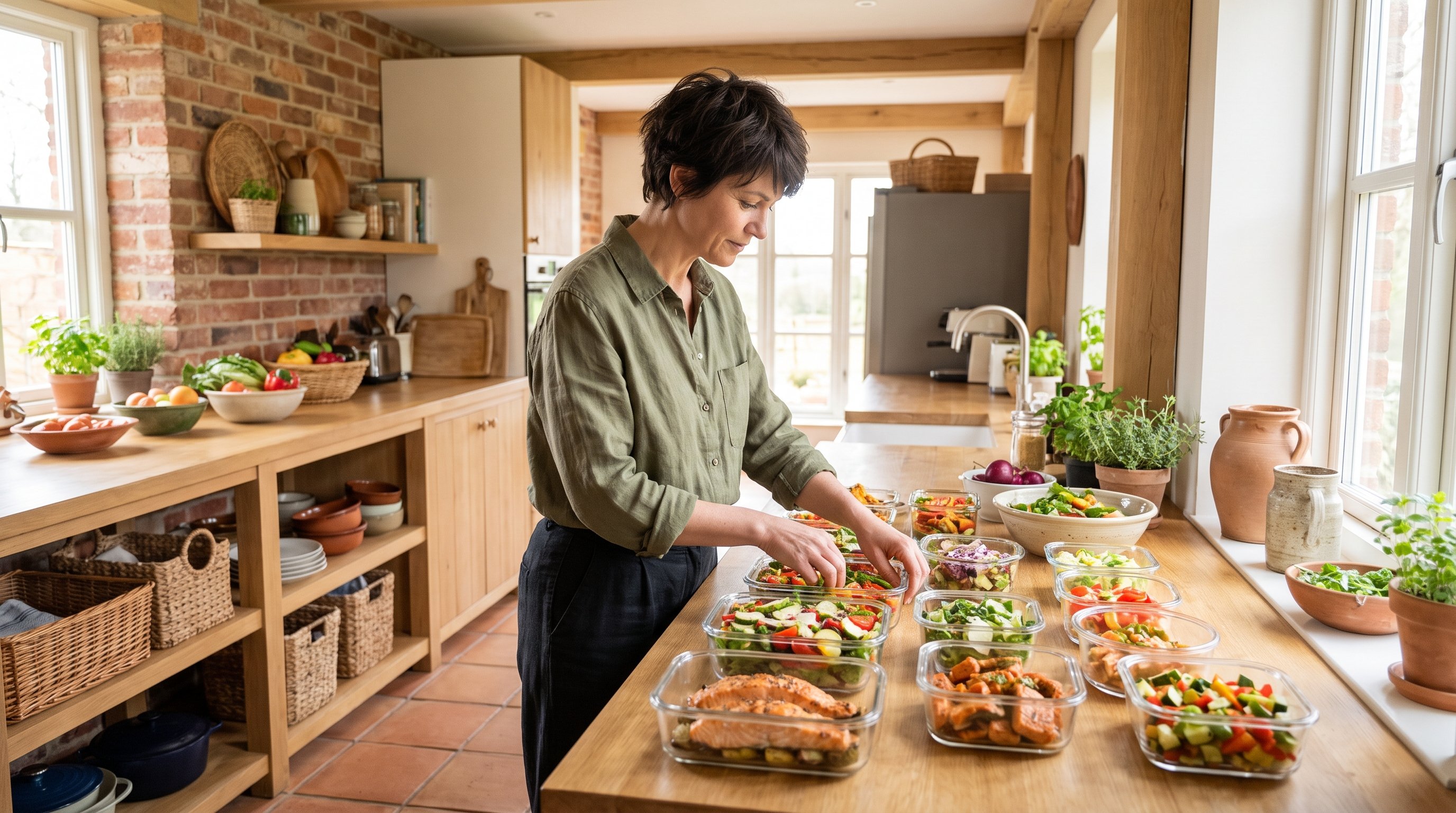
A packed week does not have to mean abandoning whole food cooking - it usually just means shifting a few decisions earlier. Chopping vegetables on a quieter evening, or cooking a big pot of grains once, means the actual cooking on a weeknight is mostly reheating and assembling.
This is where having a tailored plan built around food you already like saves time, since you are not staring at a blank page trying to decide what counts as a balanced plate. No More Diet lays out meals this way from the start, so the planning decision only has to happen once.
Even without a plan, the same logic holds: fewer decisions at dinner time means a better chance of actually cooking rather than ordering in.
The Myth That One Clean Meal Erases a Bad Week
No single meal, however carefully made, can undo a week of poor sleep, stress or inactivity - and no meal can target where weight comes off either. The body does not work that way, no matter how the ingredient list looks.
What simple whole food meals can realistically do is add up over time: more fibre, more protein, fewer refined carbohydrates, meal after meal. That is a pattern, not a single magic plate, and patterns are what actually shift how a week of eating adds up.
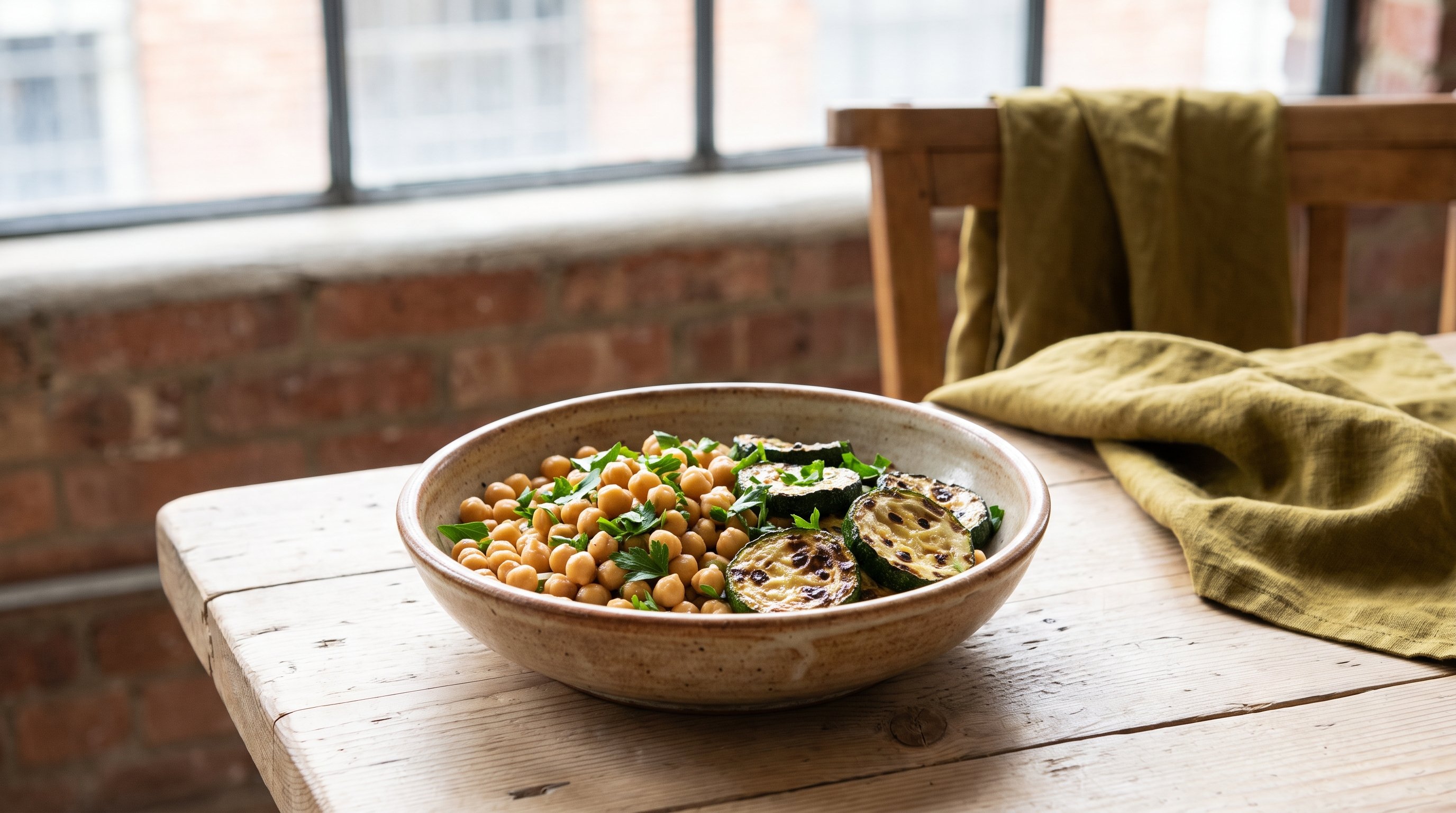
The honest answer is unglamorous: consistency across many ordinary meals matters more than any one standout dish, however good it looks.
Turning Whole Food Habits Into a Plan With No More Diet
Knowing that whole foods help is one thing - building that knowledge into an actual week of meals is another, and that gap is where generic advice tends to fall apart. No More Diet closes that gap with a customized book built specifically for your goals, body and eating style, so the meals match how you actually want to eat.
It includes Mediterranean recipes matched to your preferences, a deep-dive section focused on your specific goal, and practical lifestyle and nutrition advice that works without overthinking every plate. The structure itself is designed to keep you going, with insights and tips that make progress feel natural rather than forced.
Eat Without Stress
Eat Clean Every Day
Starting Your Own Whole Food Routine This Week
Pick one meal this week and rebuild it around a vegetable, a whole grain and a simple protein - that one swap is enough to start seeing how little effort the format actually takes.
From there, add a second meal the following week, and let the rotation grow at its own pace rather than trying to overhaul everything at once. No More Diet can carry that structure for you once you are ready to stop guessing what to cook next.
FAQ
Meals built from whole foods tend to be more filling per calorie, which can make it easier to eat less without feeling deprived. There is no fixed figure to promise, since results depend on the whole pattern of eating and activity over time.
No - the approach is about swapping ingredients, not cutting out entire food groups or counting every calorie. Bread, pasta and cheese still fit, just alongside more vegetables, beans and whole grains than before.
Batch-cooking grains or beans once a week and keeping a short list of one-pan meals solves most of the time problem. A tailored plan, like the one No More Diet provides, also removes the daily decision of what to cook.
The most common drop-off point is trying to change every meal at once, which gets exhausting fast. Starting with one or two meals a week and building slowly tends to last far longer than an overnight overhaul.
Share this post