Cooking With Olive Oil Every Day: A Simple Habit Worth Keeping
By:Author:No More Diet Editorial
Updated on:October 18, 2026
- Does Cooking With Olive Oil Every Day Actually Do Anything?
- How the Olive Oil Swap Actually Works in a Pan
- How Much Olive Oil to Use Day to Day
- Why Swapping Fats Beats Cutting Fat Out Entirely
- Fitting Daily Olive Oil Cooking Into a Real Week
- The Myth That One Oil Can Melt Fat Away
- What Actually Changes the Result of This Habit
- Mistakes That Undo a Daily Olive Oil Habit
- Making Daily Olive Oil Cooking Easier With No More Diet
- Keeping the Olive Oil Habit Going Past Week One
Cooking with olive oil every day means swapping it in for butter, seed oils or no fat at all, using it as the default in most savoury cooking. It is a fat swap, not a fix, and it works through the mechanism of substitution: what you displace matters as much as what you add.
Olive oil is mostly unsaturated fat, so using it in place of saturated fats changes the overall mix of what lands on the plate, meal after meal.
This article covers whether the habit holds up, how much to use, where it fits around a normal week, and the mistakes that quietly undo it.
Does Cooking With Olive Oil Every Day Actually Do Anything?
Yes, in a modest and unglamorous way: it changes the type of fat you eat, not the total number of calories on its own.
A tablespoon of olive oil and a tablespoon of butter carry a similar number of calories, so the win is not fewer calories. The win is swapping saturated fat for unsaturated fat, which is a quality change, not a quantity one.
Over a week of cooking, that swap adds up simply because it happens every day rather than occasionally. One meal with olive oil instead of butter changes very little; the same swap repeated across a week of dinners is where any pattern starts to show.
How the Olive Oil Swap Actually Works in a Pan
There are two separate mechanisms at play when olive oil replaces another fat in daily cooking, and both matter more than any single ingredient.
The Substitution Effect
Using olive oil in place of butter or processed seed oils shifts the fat profile of a meal without asking you to eat less. It is a straight swap, which is exactly why it is easier to keep up than a rule that tells you to cut fat out.
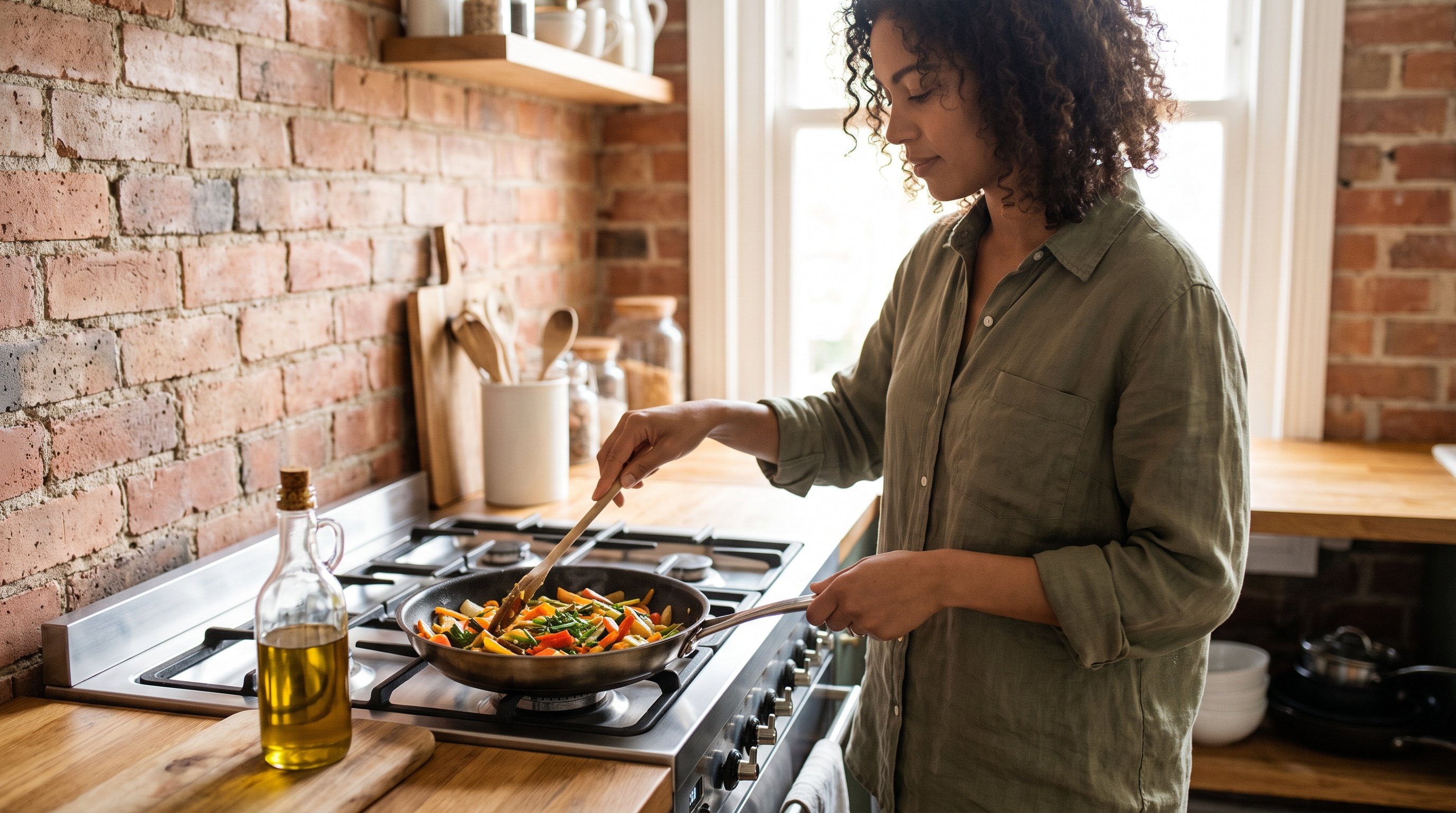
The Flavour-Carrier Effect
Olive oil carries flavour from garlic, herbs and vegetables, which is part of why dishes cooked this way tend to need less salt and fewer sauces to taste satisfying. That makes the meal easier to repeat, because it does not feel like a diet meal - it just tastes like dinner.
Neither mechanism targets any part of the body. The body does not store or burn fat from one meal in one place; it works with everything you eat as a whole.
How Much Olive Oil to Use Day to Day
There is no single correct amount, but a workable default is enough to coat a pan and finish a dish, rather than pouring freely.
A Simple Daily Guide
Think in tablespoons per cooking session rather than per day as a strict total. One to two tablespoons for sautéing vegetables, a drizzle to finish a cooked dish, and a small amount whisked into a dressing covers most home cooking.
| Cooking Task | Rough Amount |
|---|---|
| Sautéing vegetables | 1 to 2 tbsp |
| Roasting a tray of vegetables | 2 tbsp |
| Finishing a cooked dish | 1 tsp drizzle |
| Salad dressing base | 1 tbsp |
| Pan-searing fish or chicken | 1 tbsp |
That is a guide, not a rule to measure out every evening. Consistency across the week matters more than precision in any single meal.
Why Swapping Fats Beats Cutting Fat Out Entirely
The harder alternative is a low-fat approach: stripping fat out of meals altogether and relying on sauces, sugar or extra carbohydrate to make food taste like something.
That approach tends to fail on adherence, not on logic. Food cooked with no fat at all is harder to enjoy meal after meal, and meals you don't enjoy are meals you quietly stop making.
Swapping to olive oil keeps the enjoyment of cooking with fat while changing what kind of fat it is. It is a smaller ask, which is exactly why it tends to stick longer than a stricter plan.
Fitting Daily Olive Oil Cooking Into a Real Week
A busy week doesn't leave room for recalculating fat sources every night, so the habit needs to survive on autopilot.
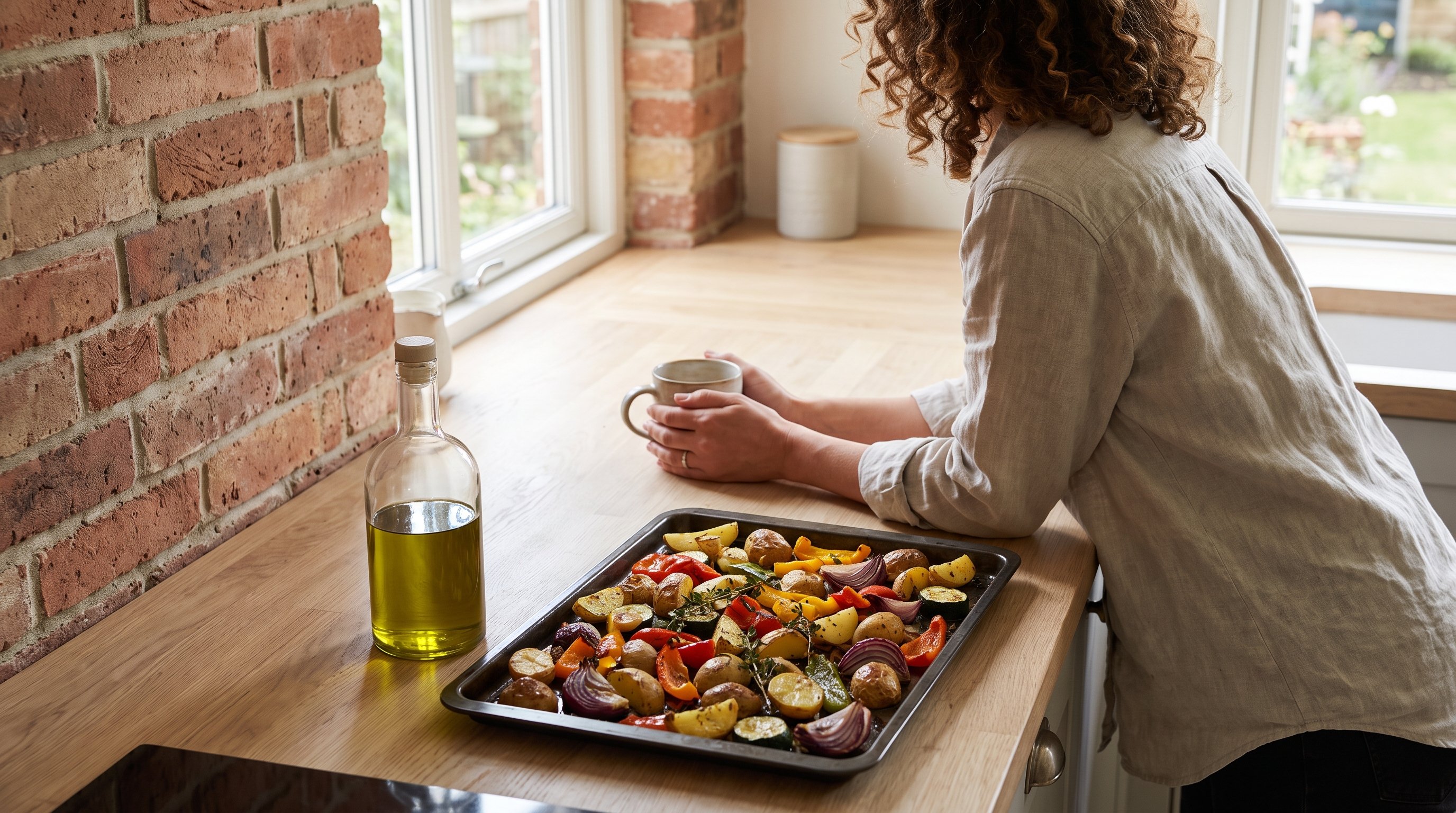
Keeping one bottle by the stove and defaulting to it for sautéing, roasting and dressing removes the decision entirely. It becomes the thing you reach for, not a thing you have to remember to choose.
This is where a meal plan built around food you already like helps, because the swap only works if the recipes around it are ones you'll actually cook again. No More Diet builds Mediterranean-style recipes around your own preferences, so the olive oil habit sits inside meals you were already going to enjoy making, rather than a separate rule bolted onto your week.
The Myth That One Oil Can Melt Fat Away
No oil, olive or otherwise, burns fat from any part of the body. The body does not work that way, and no amount of daily cooking oil changes that.
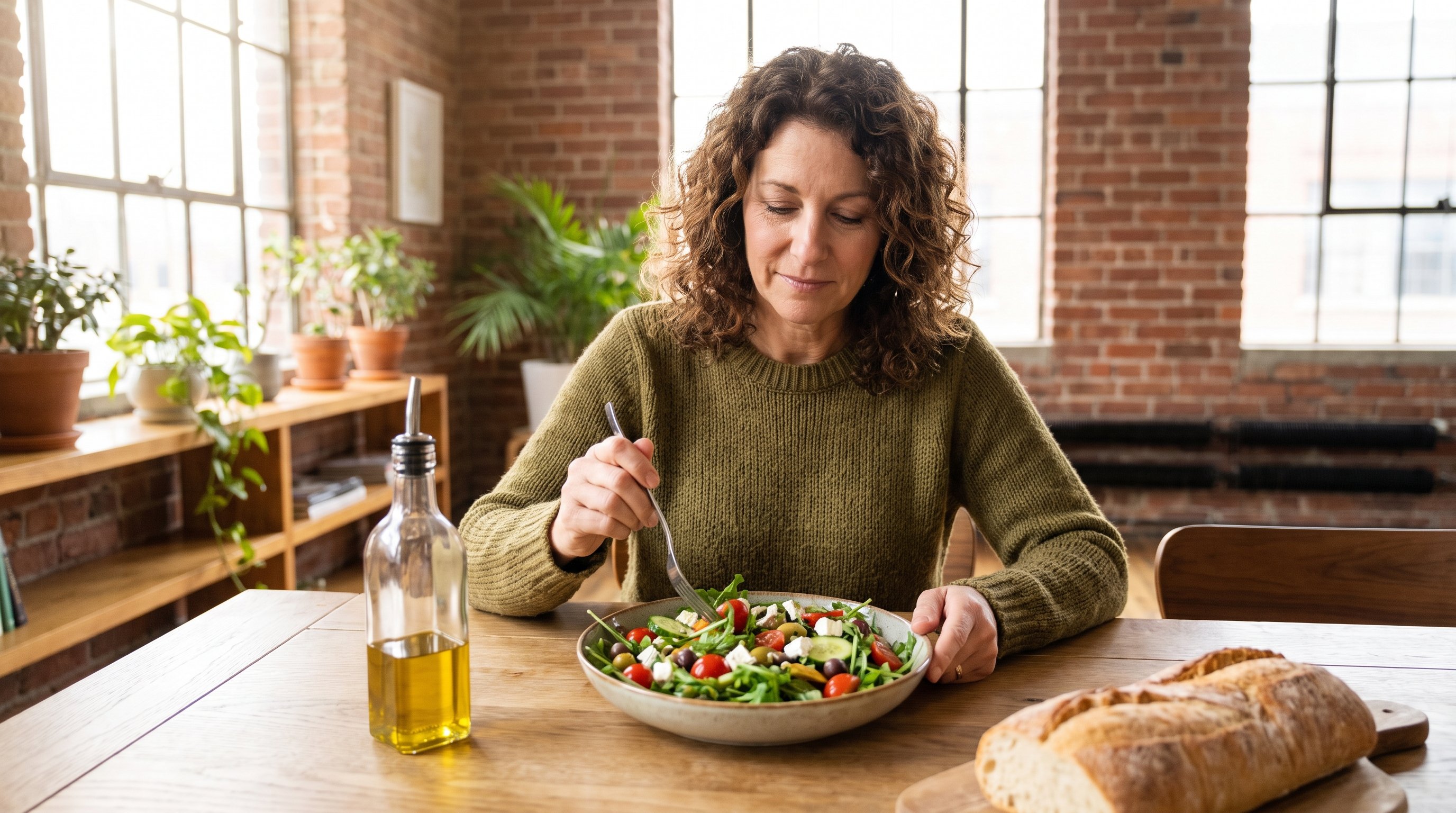
The honest version is smaller and still worth something: swapping saturated fat for unsaturated fat changes the quality of what you eat, repeated daily, as part of an overall pattern of meals.
That is not nothing, but it is not a shortcut either. It only means something alongside the rest of what's on the plate - the vegetables, the portion sizes, the rest of the week's meals.
What Actually Changes the Result of This Habit
Three things decide whether daily olive oil cooking turns into a lasting pattern or a bottle gathering dust at the back of a cupboard.
What Moves the Needle
- What it replaces - swapping olive oil in alongside butter changes nothing; swapping it in place of butter is the actual mechanism.
- Consistency across meals - one oiled pan a week barely registers, but using it as the default most days compounds over time.
- The rest of the plate - olive oil sitting next to a pile of vegetables and a sensible portion of protein does more than olive oil drizzled over something fried and heavy.
Mistakes That Undo a Daily Olive Oil Habit
Pouring Without Measuring
Free-pouring straight from the bottle makes it easy to use far more than any dish needs. Keep a tablespoon near the stove, or pour into a spoon first, to keep amounts sensible without overthinking it.
Adding It on Top of Other Fats
Using olive oil as well as butter, rather than instead of it, just adds fat on top of fat. The whole point is substitution, not addition.
Treating It As a Cure-All
Cooking everything in olive oil while the rest of the meal stays heavy on refined carbs or fried food won't shift much. The oil is one part of the plate, not the whole plate.
Letting It Go Stale
Olive oil left open near heat or light loses flavour and goes off faster than people expect, which quietly kills the habit when the oil stops tasting good. A smaller bottle used up quickly keeps it fresh enough to actually want to cook with.
Making Daily Olive Oil Cooking Easier With No More Diet
Knowing the swap is worth making is one thing; building a week of meals around it without getting bored is another.
No More Diet gives you customized Mediterranean recipes built around your own eating style, so olive oil shows up naturally in meals you'd choose anyway, not as an ingredient you're told to force in. The book's dedicated goal section and practical lifestyle advice help this kind of small daily swap sit inside a wider pattern, instead of standing alone and fading out after a few weeks.
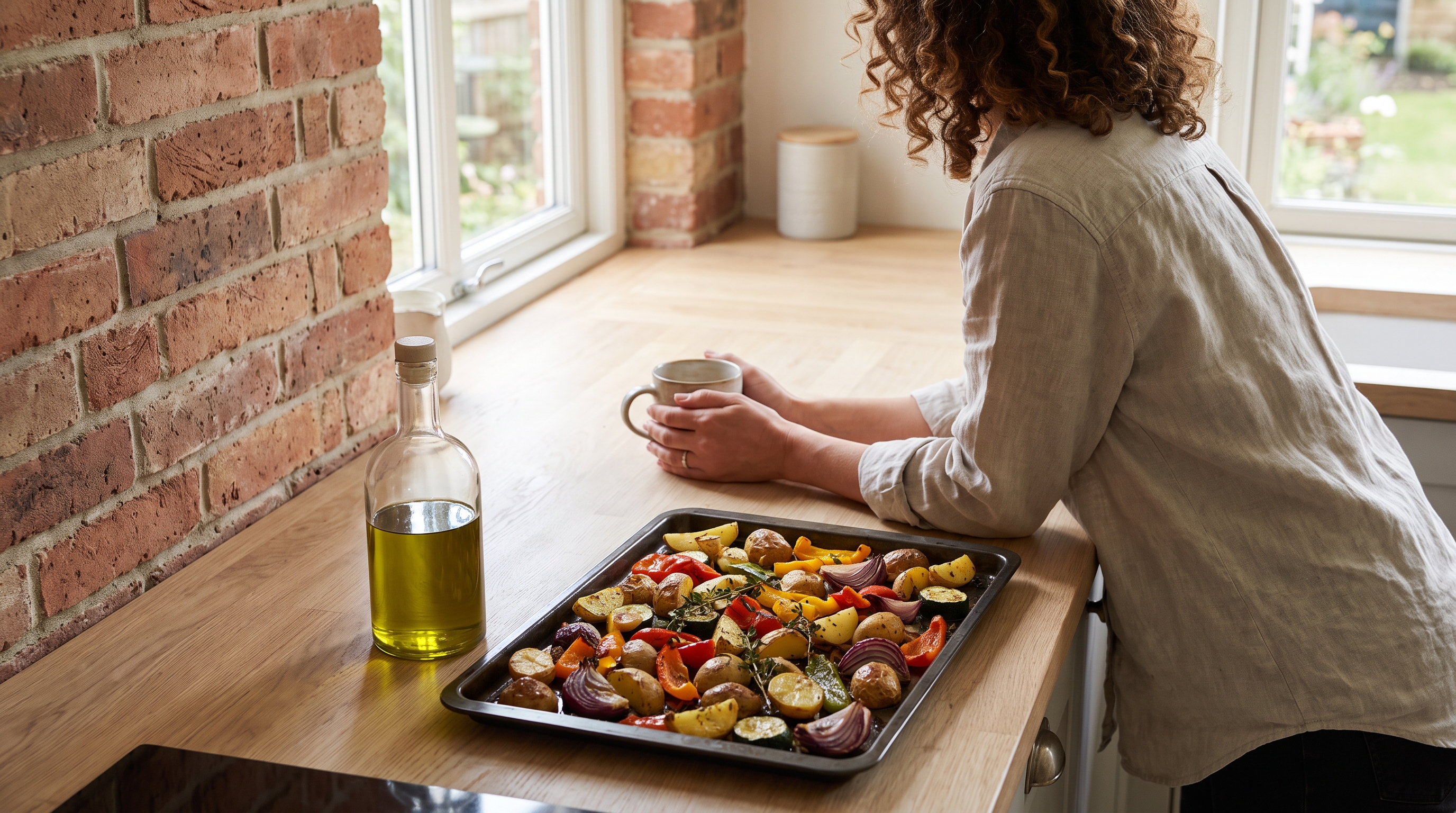
Eat Without Stress
Eat Clean Every Day
Keeping the Olive Oil Habit Going Past Week One
The simplest place to start is tonight's dinner: swap the butter or seed oil for a tablespoon of olive oil and notice nothing dramatic needs to change otherwise.
No More Diet can take that single swap and build a full week of Mediterranean-style meals around it, so it stops being a decision you have to remember and starts being how you cook.
FAQ
On its own, no - it swaps the type of fat you eat rather than cutting calories. It only matters as part of a wider pattern of meals and portions.
Yes, tablespoon for tablespoon they're similar in calories. The difference is the type of fat, not the amount of energy it provides.
Use it where it suits - sautéing, roasting, dressings - and keep other methods for dishes where the flavour doesn't fit. No More Diet's recipes are built around your own preferences, so it only features where you'd actually enjoy it.
Usually because the oil sits in meals that feel like a chore, or gets added on top of other fats instead of replacing them. Keeping it as a simple swap in meals you already like is what keeps it going.
Share this post