Mediterranean Diet Desserts: Sweet Endings Without the Guilt Spiral
By:Author:No More Diet Editorial
Updated on:October 18, 2026
- Building a Mediterranean Dessert Step by Step
- How Often Mediterranean Desserts Actually Fit In
- Fitting Dessert Into a Normal Week
- A Four-Stage Approach to Mediterranean Desserts
- When Mediterranean Desserts Stop Feeling Like a Compromise
- Mistakes That Derail Mediterranean Dessert Habits
- Making Mediterranean Desserts Simpler With No More Diet
- Keeping Dessert in the Picture Long Term
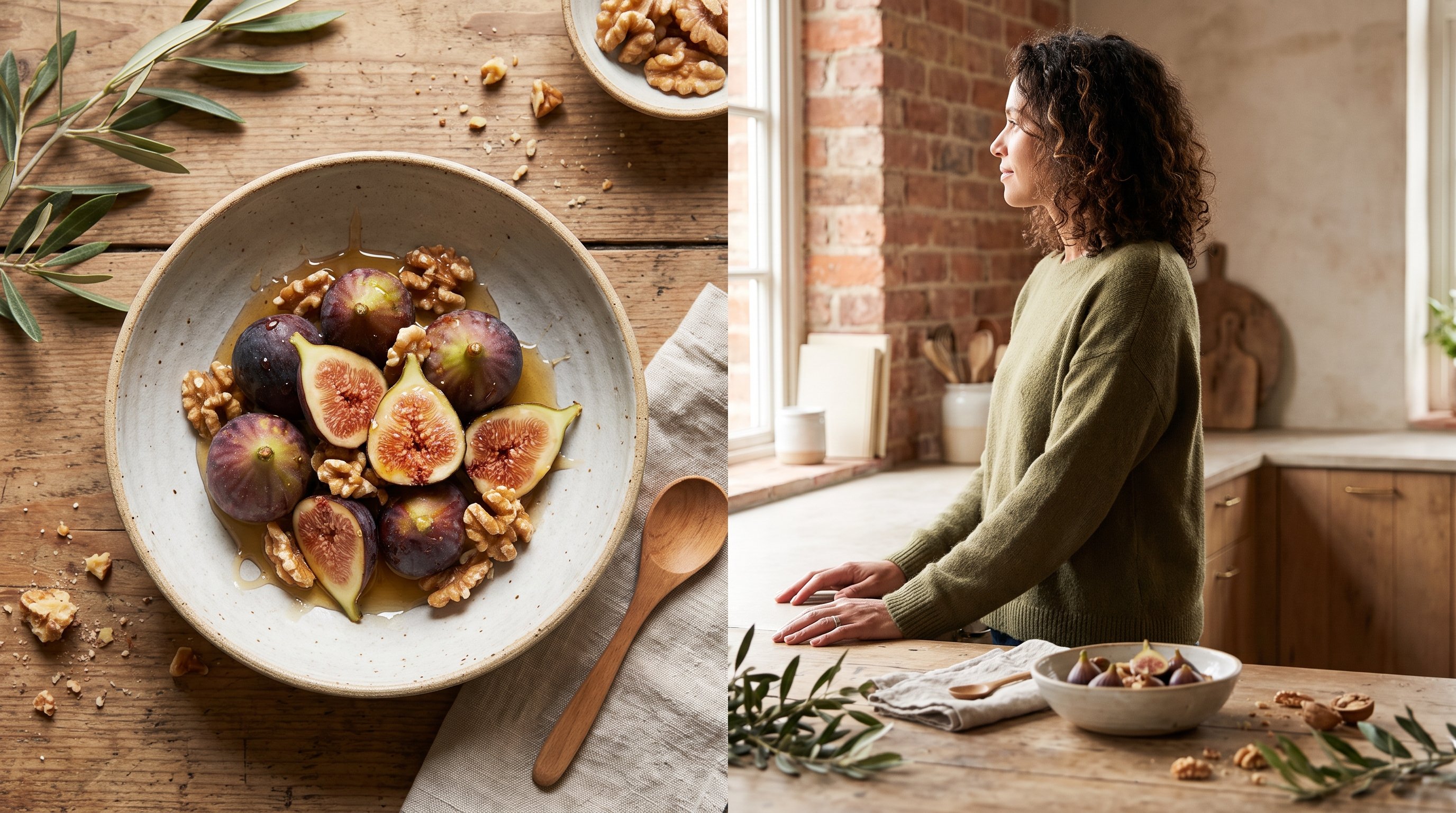
Mediterranean diet desserts work because they swap refined sugar and processed fats for fruit, nuts, olive oil and small amounts of honey - not because dessert gets banned.
The mechanism is simple: whole ingredients come with fibre, water content and fat that slow down how fast sugar hits your system, so a piece of fruit with honey and nuts sits differently than a biscuit from a packet.
This article covers how to build these desserts, how often to actually eat them, a short plan to get started, and the mistakes that make people quit before the habit forms.
Building a Mediterranean Dessert Step by Step
You don't need a culinary background to make this work. The method is more about ingredient choices than technique.
How to Build a Mediterranean-Style Dessert
- Start with fruit as the base - figs, dates, oranges, pears or berries give natural sweetness and bulk.
- Add a fat source - a drizzle of olive oil, a spoon of Greek yoghurt, or a handful of nuts adds texture and staying power.
- Sweeten lightly, not heavily - a small amount of honey or a dusting of cinnamon is usually enough once the fruit is doing the work.
- Use whole grains if the recipe needs structure - oats or wholemeal flour instead of refined white flour for anything baked.
- Keep portions modest - a small bowl or a couple of pieces rather than a full plate.
- Pair with something warm - a herbal tea or coffee alongside slows down how fast you eat and makes the portion feel complete.
- Prep ahead where you can - chopped fruit or a jar of yoghurt with nuts stored in the fridge removes the decision at the moment you want something sweet.
How Often Mediterranean Desserts Actually Fit In
There's no fixed rule carved anywhere, but the pattern that makes sense is simple fruit-based desserts most days and richer, baked options less often.
A Rough Frequency Guide
Think of it as a scale from everyday to occasional, based on how processed the dessert is.
| Dessert Type | Suggested Frequency |
|---|---|
| Fresh fruit with yoghurt | Most days |
| Fruit with honey and nuts | Several times a week |
| Baked fruit (oven-roasted pears) | A few times a week |
| Olive oil cake or similar bake | Once or twice a week |
| Rich pastry-style desserts | Occasionally |
The further down that table you go, the less often it needs to show up - not because any single food is forbidden, but because frequency is what actually shapes a pattern over weeks.
Fitting Dessert Into a Normal Week
Real life doesn't pause for meal planning, which is why the simplest desserts are the ones that survive a busy week.

Keeping a bowl of fruit visible on the counter and a tub of plain yoghurt in the fridge means dessert takes two minutes, not twenty.
This is exactly the kind of small, repeatable habit that a customized plan can build around - No More Diet includes Mediterranean recipes matched to your eating preferences, so dessert options sit inside the same framework as the rest of your meals instead of feeling like a separate decision.
That matters more than any single recipe, because the habit only sticks if it fits the week you actually have.
A Four-Stage Approach to Mediterranean Desserts
Rather than overhauling everything on day one, build the habit in stages.
| Stage | Focus |
|---|---|
| Stage 1 | Swap one processed dessert for fruit and yoghurt |
| Stage 2 | Add nuts or seeds for texture and staying power |
| Stage 3 | Try one baked option using olive oil instead of butter |
| Stage 4 | Settle into a rotation of three or four go-to desserts |
The order matters here - starting with the easiest swap builds confidence before anything involves an oven.
When Mediterranean Desserts Stop Feeling Like a Compromise
Early on, fruit with yoghurt can feel like a watered-down version of dessert, and that's a normal reaction when sweeter, more processed options are the benchmark.
Taste preferences shift gradually as the usual benchmark changes, not overnight, so it's worth being patient rather than expecting an instant craving swap.
The point where people often give up is the first week or two, when the new dessert still feels like a smaller version of the old one rather than something satisfying on its own terms.
Staying with it past that point is less about willpower and more about giving the new pattern time to become the normal one.
Mistakes That Derail Mediterranean Dessert Habits
Treating Fruit As Unlimited
Fruit is a better base than refined sugar, but portion still matters - a bowl of grapes is still a portion, not a free-for-all.
Going Straight to Complicated Baking
Starting with an olive oil cake recipe before mastering simple fruit and yoghurt sets the bar too high too soon; build the easy habit first.
Buying 'healthy' Packaged Desserts Instead of Making Simple Ones
Pre-made products marketed as Mediterranean-style often still carry added sugar and processed oils - a bowl of real fruit beats a label that just sounds right.
Cutting Dessert Entirely Instead of Changing It
Restriction tends to backfire because it builds pressure that eventually snaps back to old habits - substitution holds up better over time than elimination.
Expecting One Dessert to Fix Everything
No single food changes an eating pattern on its own; it's the repetition across weeks that shapes the result, not one clever recipe.
Making Mediterranean Desserts Simpler With No More Diet
Figuring out which desserts fit your goals, your taste and your week can take a lot of trial and error on your own.
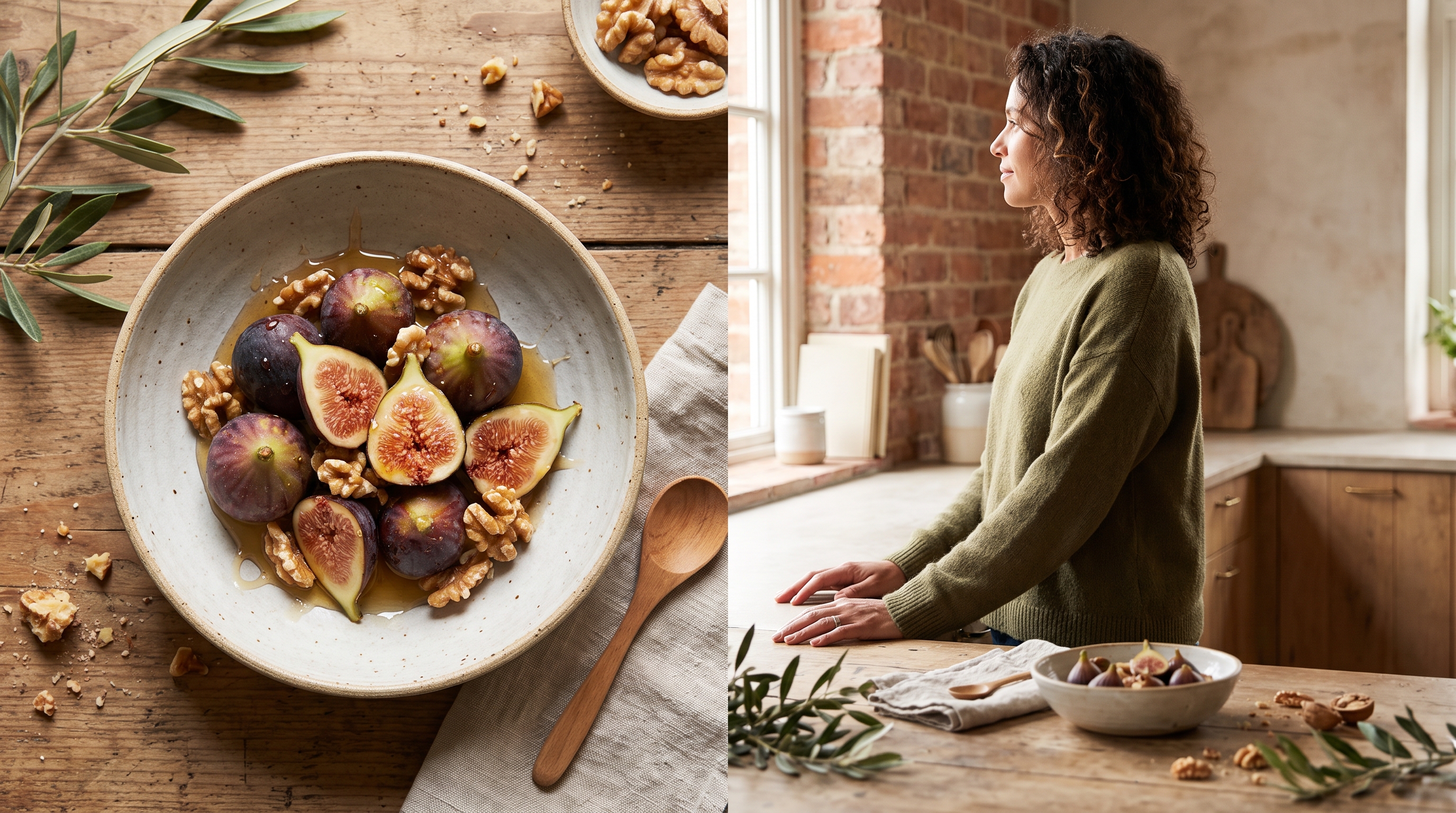
No More Diet removes the guesswork by building a customized book around your goals and eating style, with Mediterranean recipes - desserts included - matched to what you actually like, plus a dedicated section focused on your specific goal and practical lifestyle advice to help it all stick.
Eat Without Stress
Eat Clean Every Day
Keeping Dessert in the Picture Long Term
Mediterranean diet desserts aren't a loophole or a trick - they're a demonstration that dessert and a sustainable eating pattern aren't opposites.
Pick one simple swap this week, whether that's fruit and yoghurt instead of a packaged snack or a drizzle of honey instead of a spoon of sugar, and let No More Diet handle the rest of the planning around it.
FAQ
Yes, because portion and frequency matter more than cutting out any single food group entirely. Fruit-based desserts with modest amounts of fat and sweetener fit into a sustainable eating pattern without needing to be eliminated.
Honey still contains sugar, but used in small amounts alongside fruit and fat it behaves differently than a spoonful added to something already processed. The goal isn't a sugar-free kitchen, it's smaller amounts used more thoughtfully.
Most Mediterranean desserts don't require an oven at all - fruit, yoghurt, nuts and a little honey cover most of the habit. Baked options can stay occasional without the whole approach falling apart.
That usually takes some trial and error if you're working it out alone, which is where No More Diet helps by matching recipes, including desserts, to your own eating style from the start. That removes a lot of the guesswork that causes people to give up early.
Share this post