Heart Healthy Dinner Ideas: A Simple Weeknight Approach
By:Author:No More Diet Editorial
Updated on:October 19, 2026
- A Week of Dinners You Could Actually Cook
- How Often Fish, Legumes and Vegetables Should Appear
- Why Simple Swaps Beat a Strict Heart Diet Plan
- Making Heart Healthy Dinners Work on a Weeknight
- Who This Dinner Pattern Suits and How to Adjust It
- When These Dinners Stop Feeling Like a Project
- Simplifying Heart Healthy Dinners With No More Diet
- Picking Tonight's Dinner From This List
A heart healthy dinner is mostly vegetables, a modest portion of protein, a whole grain or legume, and olive oil instead of butter - that combination does the heavy lifting most nights.
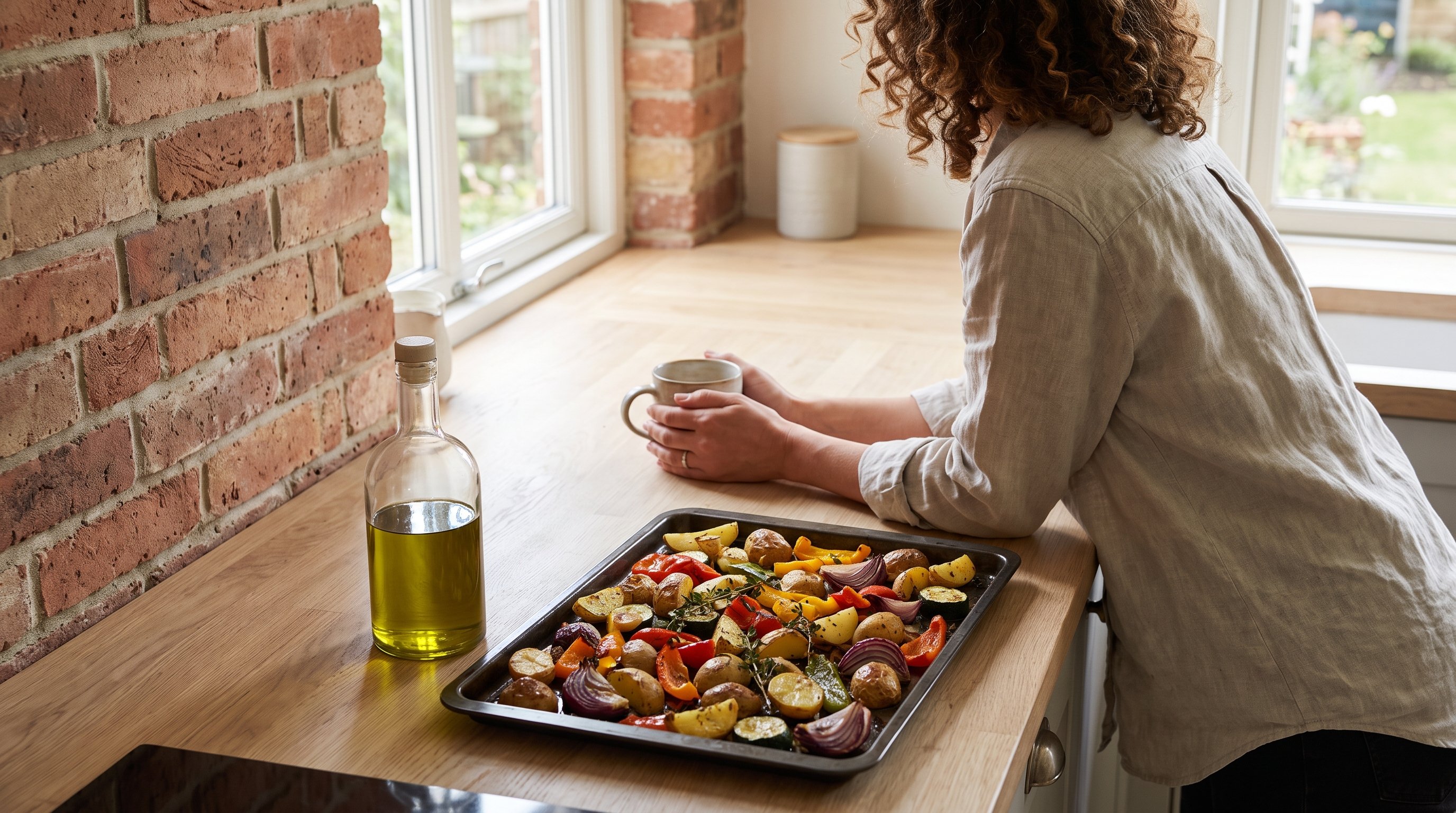
The mechanism is simple substitution, not elimination. Swap the fat you cook with, add more plants to the plate, and let fish or legumes replace red meat a few times a week.
This guide covers what a week of these dinners can look like, how often certain foods should show up, why simple swaps beat strict rules, and how to fit this into a week that's already full.
A Week of Dinners You Could Actually Cook
Nobody needs a new recipe every night. A small rotation of simple dinners, repeated with small changes, is easier to sustain than a different meal every single evening.
A Sample Week of Dinners
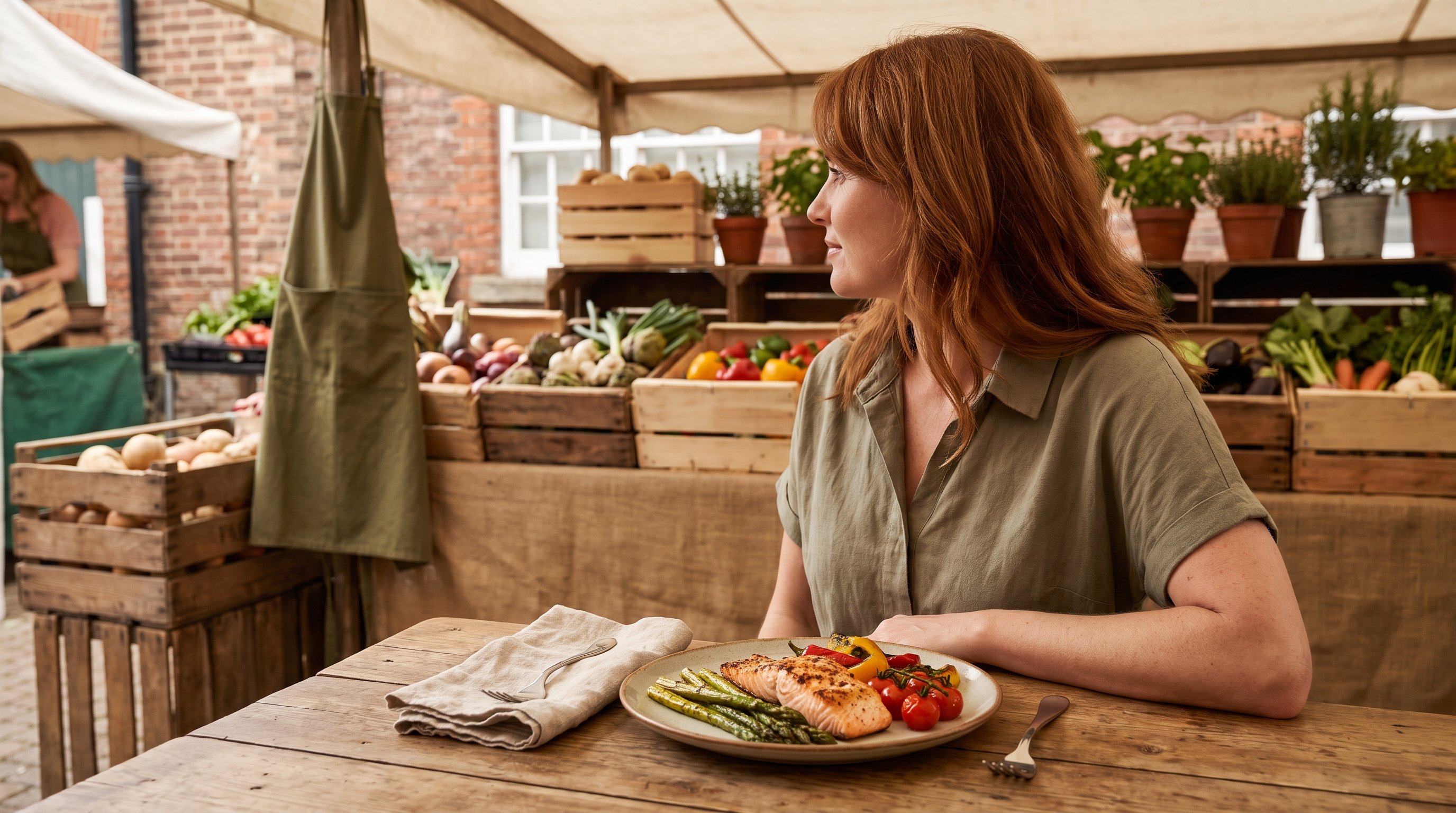
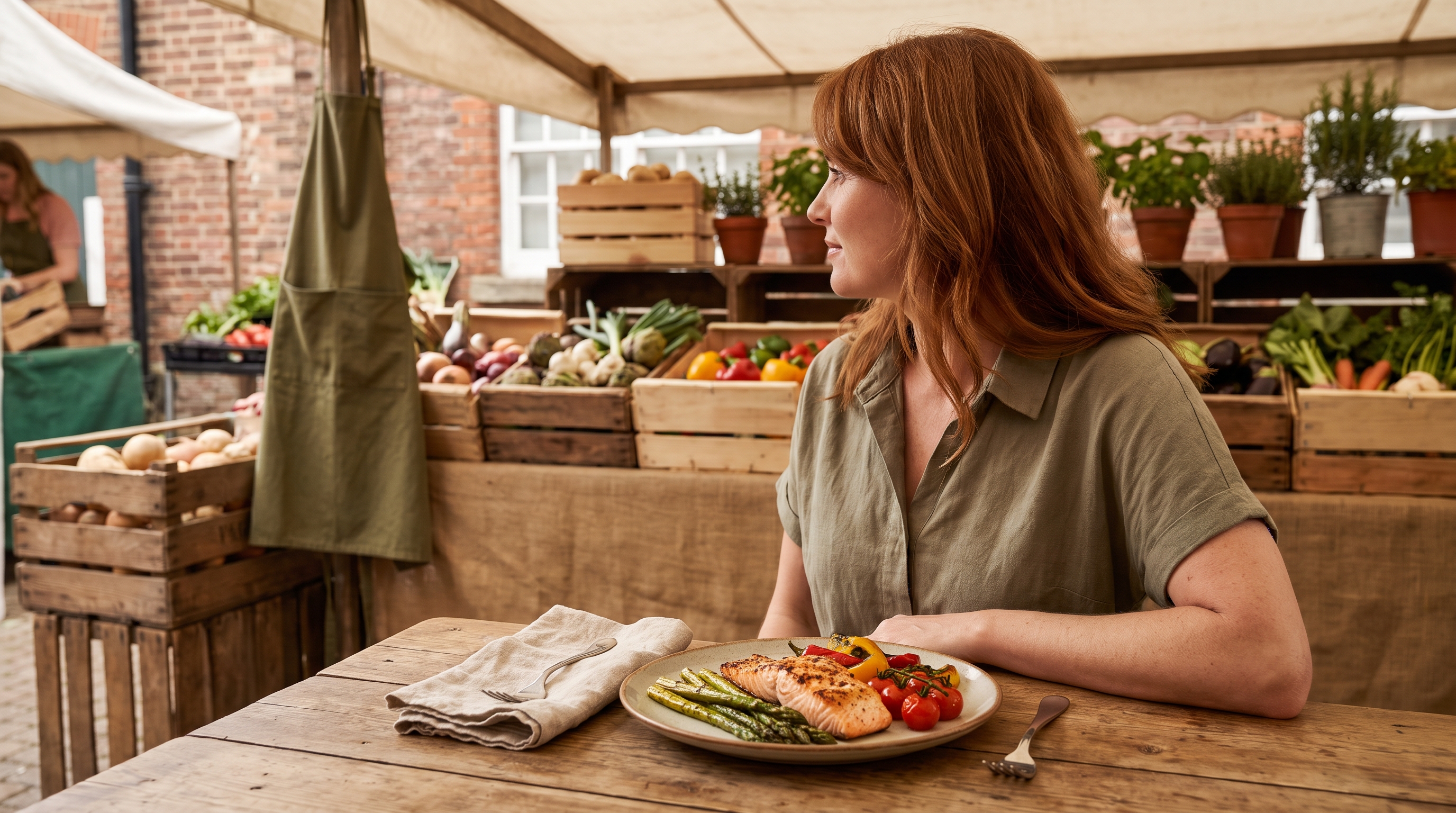
- Monday - baked salmon, steamed greens, a side of brown rice
- Tuesday - lentil soup with crusty wholegrain bread and olive oil drizzled on top
- Wednesday - grilled chicken with roasted peppers, courgette and a tomato salad
- Thursday - chickpea and vegetable stew over bulgur wheat
- Friday - grilled sardines or mackerel with a cucumber and tomato side salad
- Saturday - a big vegetable and bean salad with olive oil and lemon dressing
- Sunday - roast vegetables with white beans and a small portion of lean meat if wanted
None of these need special equipment or long ingredient lists. They work because the pattern repeats: vegetables, a plant or fish protein, a whole grain, olive oil.
How Often Fish, Legumes and Vegetables Should Appear
Frequency matters more than perfection on any single night. Here's a rough guide for how often the main building blocks can show up across a week of dinners.
A Weekly Frequency Guide
Use this as a loose target, not a rule to enforce exactly.
| Food | Suggested Frequency |
|---|---|
| Fish or seafood | Two to three dinners a week |
| Legumes or beans | Two to three dinners a week |
| Vegetables | Every dinner, in volume |
| Red meat | Once a week or less |
| Olive oil as main fat | Every dinner, in place of butter |
The numbers aren't a prescription, they're a starting point you can adjust around what you actually enjoy cooking.
Why Simple Swaps Beat a Strict Heart Diet Plan
A rigid heart diet plan with banned foods and exact portions sounds thorough, but it's hard to follow on a Tuesday night when you're tired and the fridge is half empty.
Simple substitution - olive oil instead of butter, beans instead of some of the meat, more vegetables on the plate - asks less of you and still changes what's on the plate.

The strict plan wins on paper. The swap wins in real life, because it survives a bad week without falling apart completely.
Making Heart Healthy Dinners Work on a Weeknight
The biggest obstacle isn't knowledge, it's time between getting home and getting food on the table.
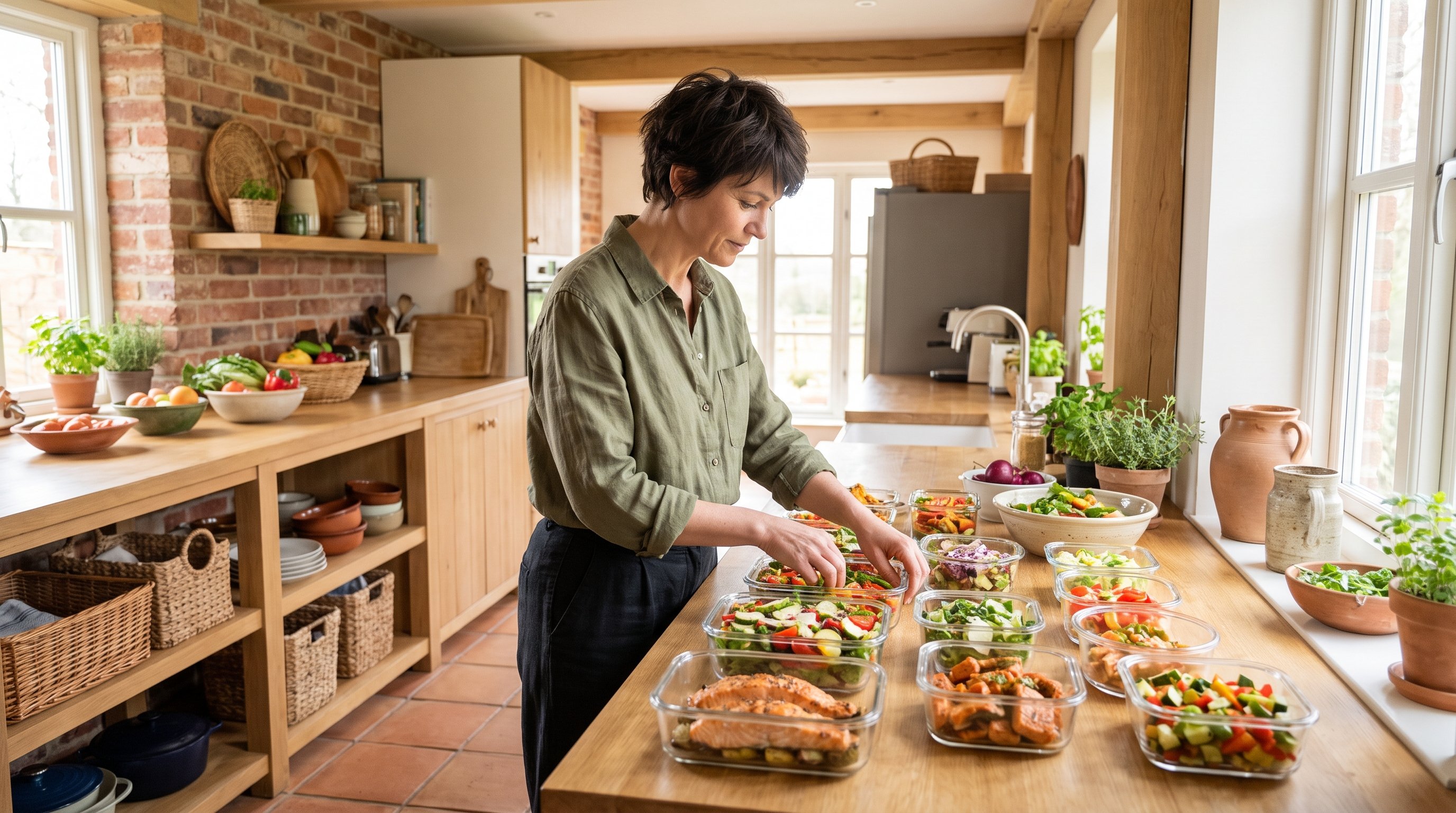
Batch-cooking a grain or a pot of beans at the weekend removes one step from every weeknight dinner, which is often the difference between cooking and ordering in.
A meal plan built around food you already like removes some of the nightly decision-making, and that's exactly where No More Diet fits - a structure for dinners instead of a blank page every evening.
Who This Dinner Pattern Suits and How to Adjust It
If You're Cooking for One
Scale the grain and legume portions down and freeze extra vegetable stew in single portions so dinner is just reheating, not cooking from scratch.
If You're Short on Time Most Nights
Lean on the dinners that need one pan and under 30 minutes, like grilled fish with a quick salad, and save the stews for a day you have more time.
If You're Cooking for a Family
Keep the base the same - vegetables, grain, olive oil - and let each person add their own protein or extra portion so you're not cooking two separate meals.
If You're Managing Other Health Goals Alongside This
This pattern works alongside most other goals since it's built on food quality rather than restriction, though anyone on medication should keep following their usual medical guidance.
When These Dinners Stop Feeling Like a Project
The first couple of weeks take more thought because you're learning a new rotation and maybe a new shopping list.
Most people find the planning part fades once a handful of dinners become automatic - at that point it's less a diet and more just what's for dinner.
Where people tend to quit is the first time the week goes sideways and there's no backup plan, so having two or three fallback dinners memorised matters more than any single recipe.
Simplifying Heart Healthy Dinners With No More Diet
Planning a week of dinners from scratch every single week is where most good intentions run out of steam.
No More Diet is a Mediterranean-inspired book built around your own eating style, with a section dedicated to your specific goal and recipes matched to what you already like eating, so dinner planning stops being a nightly decision.
Eat Without Stress
Eat Clean Every Day
Picking Tonight's Dinner From This List
You don't need to overhaul the whole week to start. Pick one dinner from the sample week above, swap your usual cooking fat for olive oil, and see how it fits before changing anything else.
No More Diet can take over the planning from there if a ready-made structure sounds easier than building your own week from scratch.
FAQ
No - the fat type matters more than the amount, since olive oil used daily is the main fat in this pattern rather than something to avoid. Cutting fat out entirely isn't the goal here.
No, red meat just shows up less often, around once a week or less, rather than being banned outright. Occasional meals built around it still fit the pattern.
Lean on the quickest dinners in the rotation, like grilled fish with a side salad, and batch-cook grains or beans at the weekend so weeknights are mostly assembly. No More Diet's structure is built with this kind of time pressure in mind.
Food choices are one part of a bigger picture, and this guide only covers what's on the plate, not medical treatment or disease prevention claims. Anyone with specific heart health concerns should keep working with their usual medical guidance alongside any dietary changes.
Share this post