Foods That Reduce Inflammation: A Realistic Eating Guide
By:Author:No More Diet Editorial
Updated on:October 18, 2026
- The Myth of One Miracle Anti-Inflammatory Food
- How an Anti-Inflammatory Eating Pattern Actually Works
- What Actually Changes the Result of This Diet
- A Day of Meals Built Around These Foods
- Fitting These Foods Into an Ordinary Week
- When This Kind of Eating Starts to Feel Normal
- Mistakes That Undo an Anti-Inflammatory Eating Plan
- Making Anti-Inflammatory Eating Easier With No More Diet
- Starting This Week Without Overhauling Everything
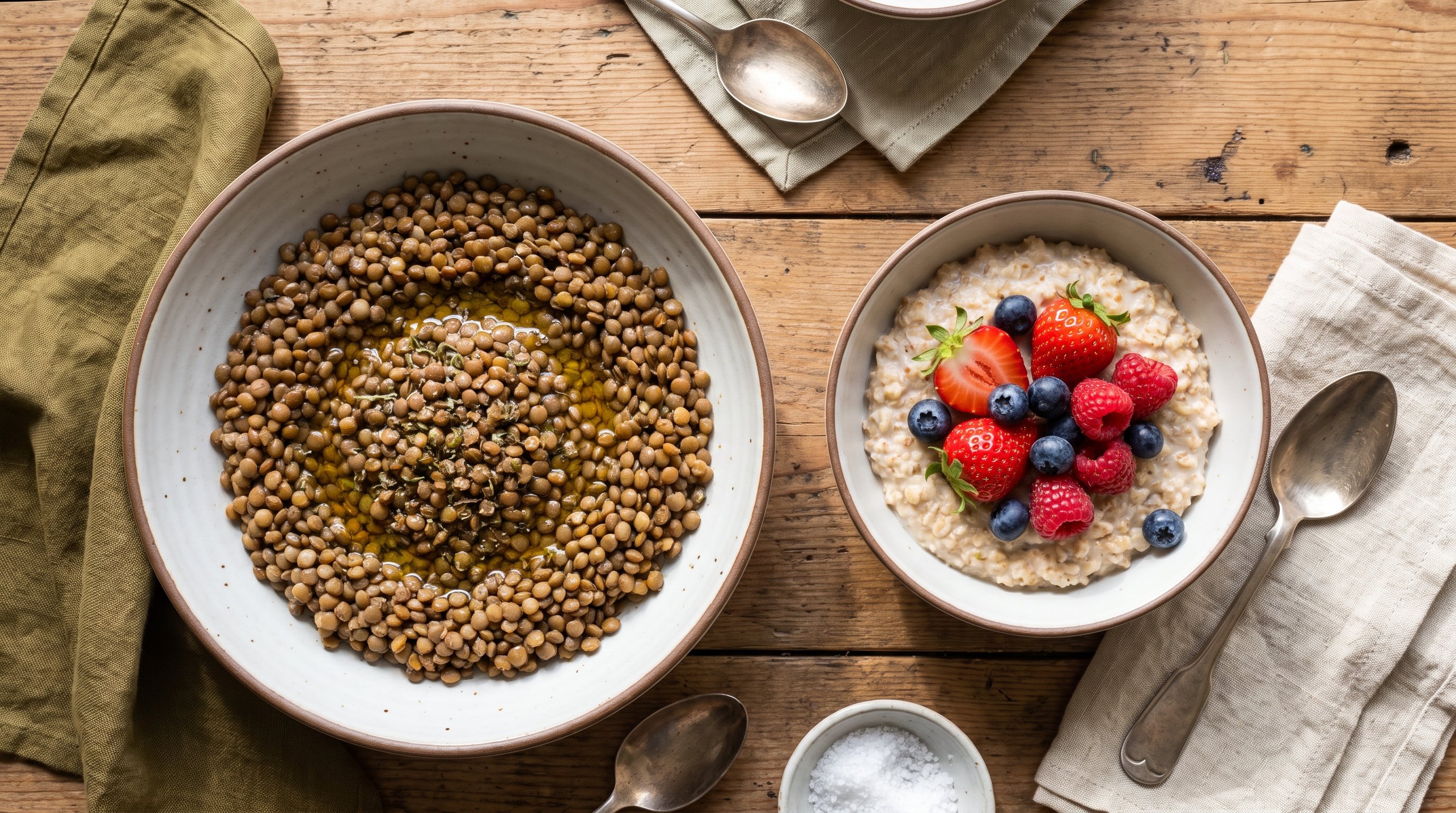
Foods that reduce inflammation are not a single ingredient or a magic smoothie - they're a pattern of eating built around vegetables, whole grains, legumes, fish and olive oil, repeated often enough that it changes the overall balance of what you eat in a week.
The mechanism is simple: some foods tend to come packaged with fibre, polyphenols and unsaturated fats that support a calmer internal environment, while heavily processed foods high in refined starch and industrial oils tend to push the other way.
This article covers what actually changes the result, a sample day of meals, where people usually quit, and the mistakes that get in the way.
The Myth of One Miracle Anti-Inflammatory Food
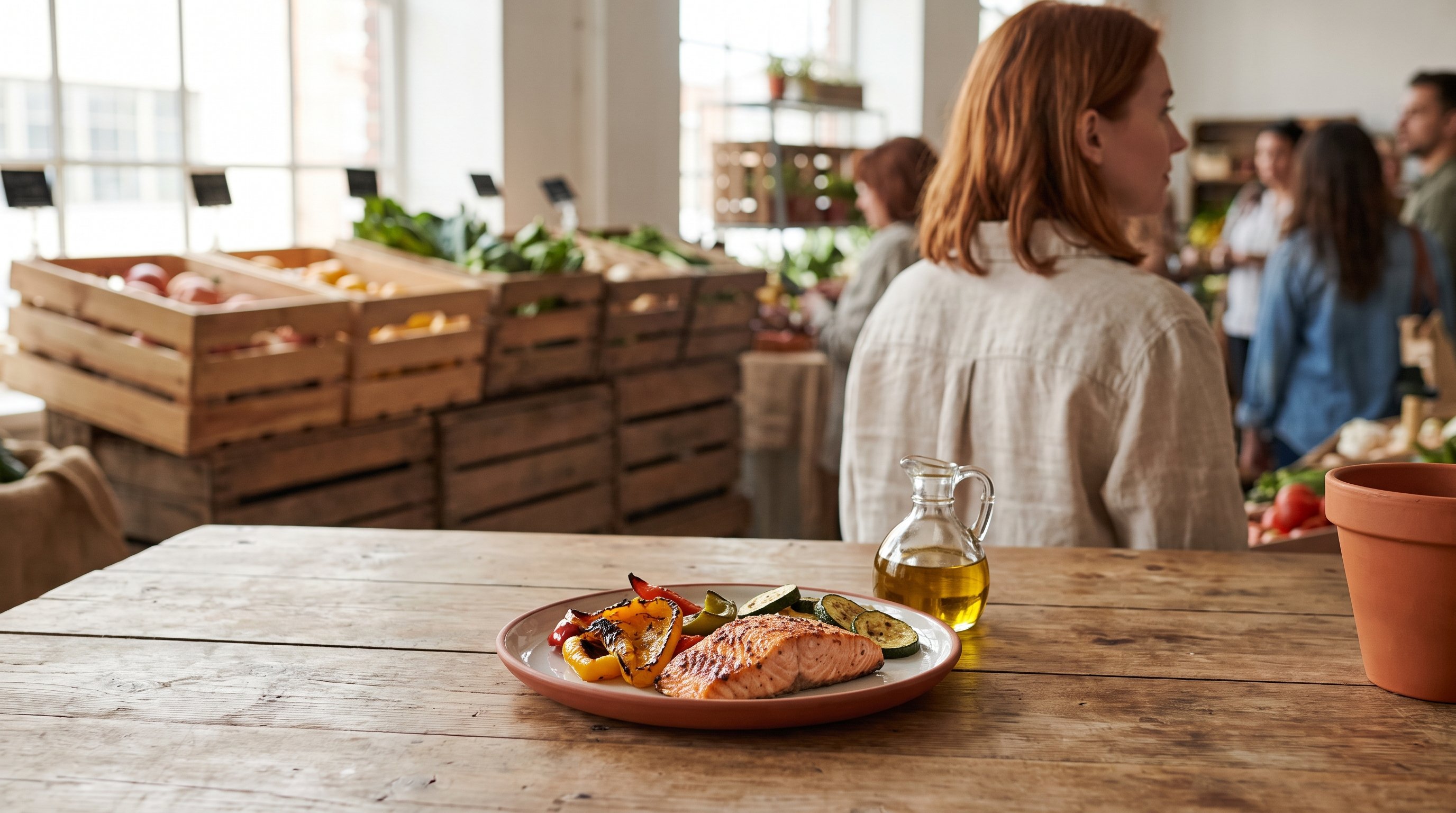
No single food - not turmeric, not blueberries, not a green juice - calms inflammation on its own, and nothing you eat targets one part of the body while leaving the rest untouched.
The body does not work that way: what you eat affects you as a whole system, not a specific joint, organ or trouble spot you're hoping to fix.
The honest answer is less exciting but more useful - it's the overall pattern across weeks and months that matters, built from ordinary foods you can actually keep buying and cooking.
How an Anti-Inflammatory Eating Pattern Actually Works
Two things matter most here: what you're adding in, and what you're naturally crowding out by doing so.
Fibre, Polyphenols and Unsaturated Fats Do the Heavy Lifting
Vegetables, fruit, legumes, whole grains and olive oil bring fibre and plant compounds that are mostly absent from refined and ultra-processed foods.
Eating more of these foods regularly is the actual lever - not a single meal, but the running total across your week.
Crowding Out Matters As Much As Adding In
When a plate is built around vegetables, whole grains and fish, there's simply less room left for refined carbohydrates and processed meats.
That swap - not elimination, not a detox - is what shifts the pattern over time, and it works because it's substitution rather than restriction.
What Actually Changes the Result of This Diet
A few factors matter more than the rest, and they're worth getting right before anything else.
The Three Biggest Levers
- How often, not how perfectly - a vegetable-and-olive-oil pattern repeated most days of the week matters more than one spotless meal followed by a week of takeaway.
- What replaces the processed food - swapping refined grains for whole grains and processed meat for fish or legumes does more than simply adding a side salad on top of the same plate.
- Consistency over the long stretch - a pattern you can keep repeating for months beats a stricter one you abandon after a fortnight.
A Day of Meals Built Around These Foods
Here's one way a day built around this pattern might look - nothing exotic, nothing that needs a special shop.
| Meal | What's on the Plate |
|---|---|
| Breakfast | Greek yoghurt, oats, berries |
| Lunch | Lentil salad, olive oil, greens |
| Snack | Handful of walnuts, fruit |
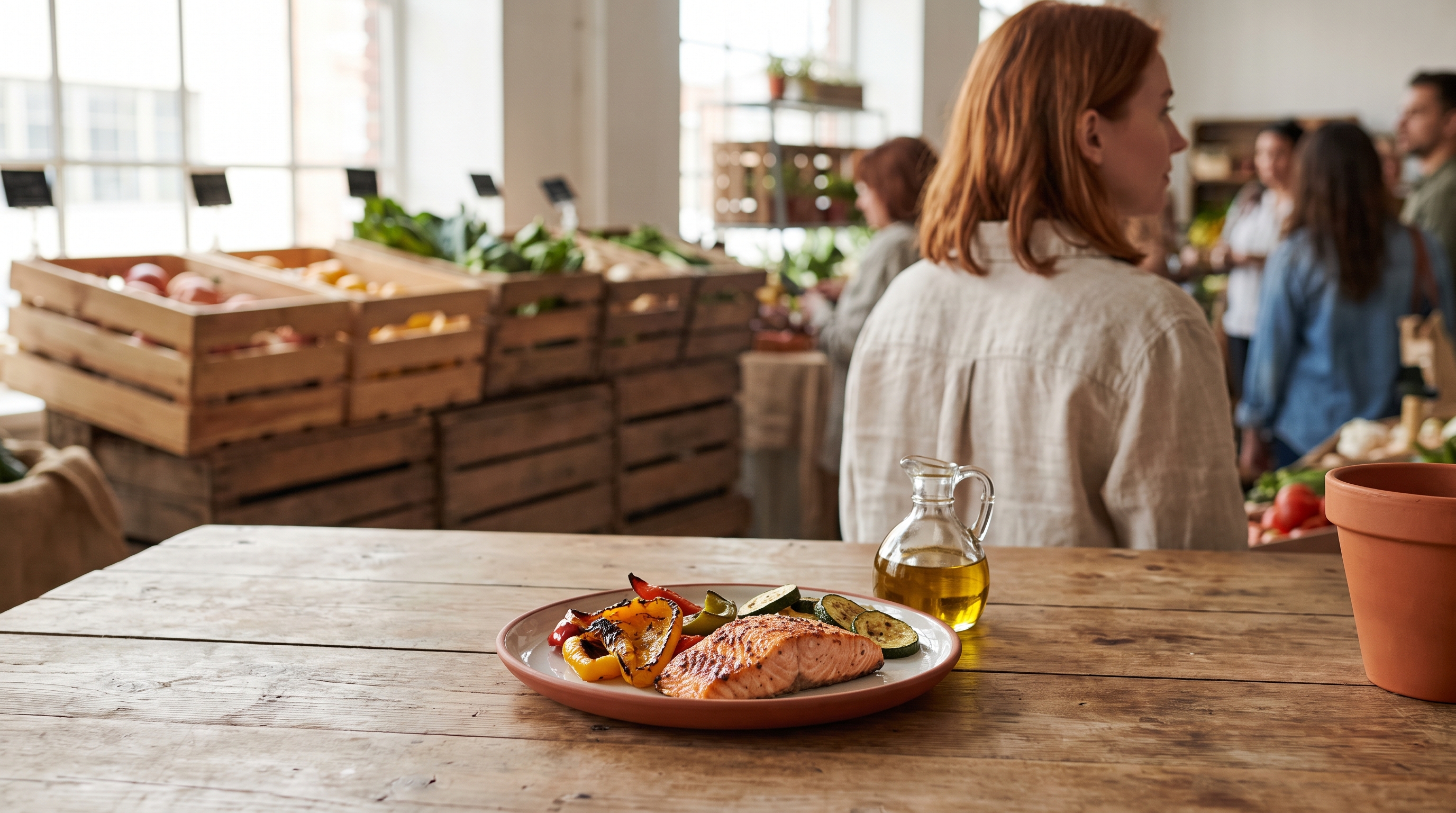
| Dinner | Grilled fish, vegetables, whole grain |
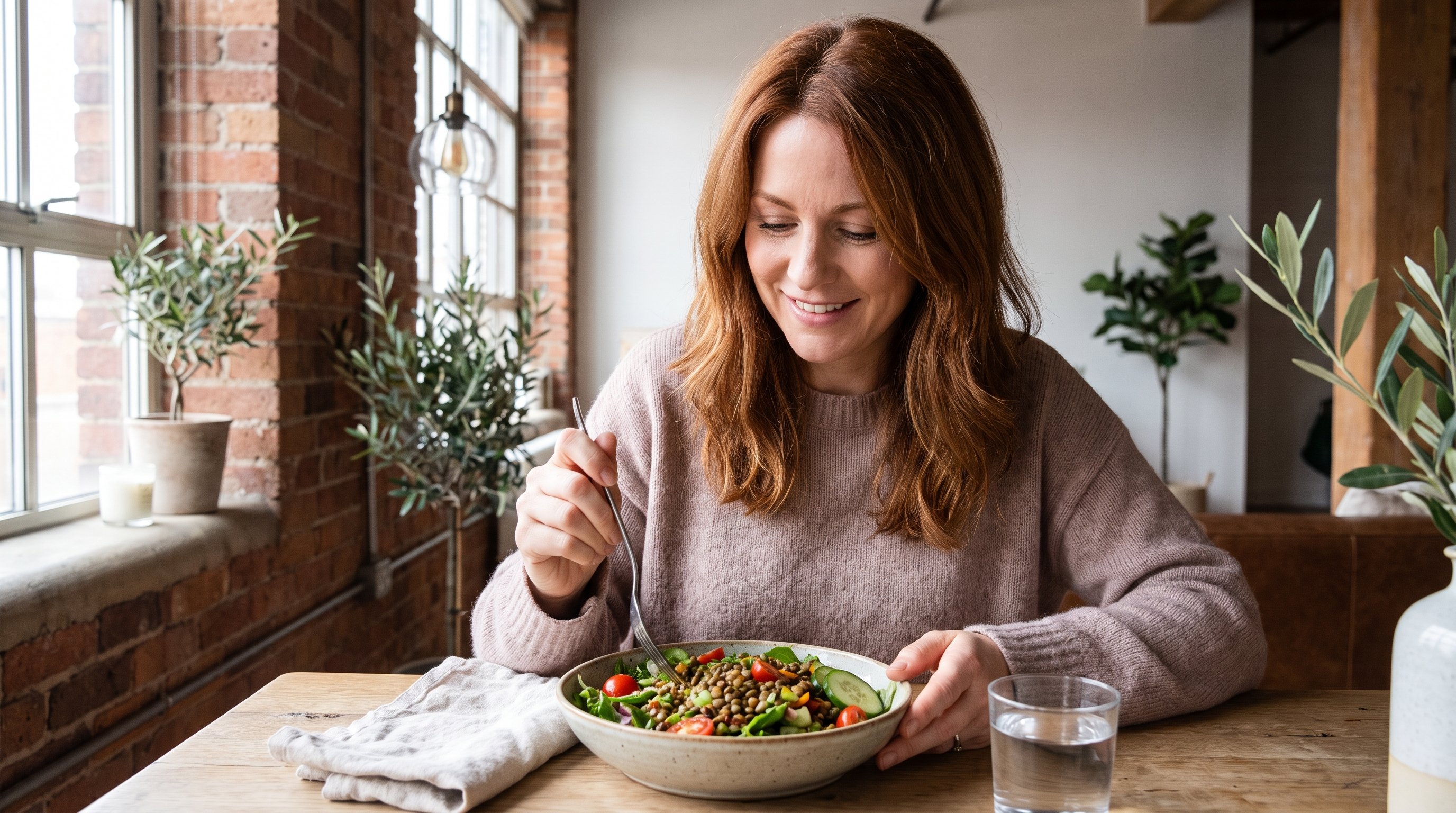
None of these meals require precision - the point is the overall shape of the day, not hitting an exact formula.
Fitting These Foods Into an Ordinary Week
Real weeks involve takeaway nights, leftovers eaten standing at the counter, and days where cooking just doesn't happen.
The pattern still works if most days lean towards vegetables, whole grains, legumes and fish, with processed food as the exception rather than the default.
A meal plan built around food you already like makes this far easier to sustain than trying to memorise a list of approved and forbidden ingredients, which is part of what No More Diet is designed around - recipes matched to how you already like to eat, rather than a rulebook to follow.
When This Kind of Eating Starts to Feel Normal
Expect the first few weeks to feel like effort - new shopping habits, new recipes, a bit of trial and error in the kitchen.
Most people find the swaps stop feeling like a decision somewhere in the following weeks, once the pattern repeats enough that it becomes the default rather than the exception.
This is also where a lot of people quit - right before it gets easier, usually because they were expecting a faster, more dramatic shift than a steady change in habit.
Mistakes That Undo an Anti-Inflammatory Eating Plan
Chasing a Superfood Instead of a Pattern
Buying one expensive ingredient and expecting it to offset the rest of the week doesn't work - spread the effort across regular meals instead of one standout item.
Cutting Out Whole Food Groups
Eliminating carbs or dairy outright tends to backfire and makes the pattern harder to sustain - swapping refined versions for whole versions works better than removing them entirely.
Treating One Bad Meal As a Failure
A processed lunch doesn't erase the rest of the week - the pattern is judged over weeks, not single meals.
Overcomplicating the Shopping List
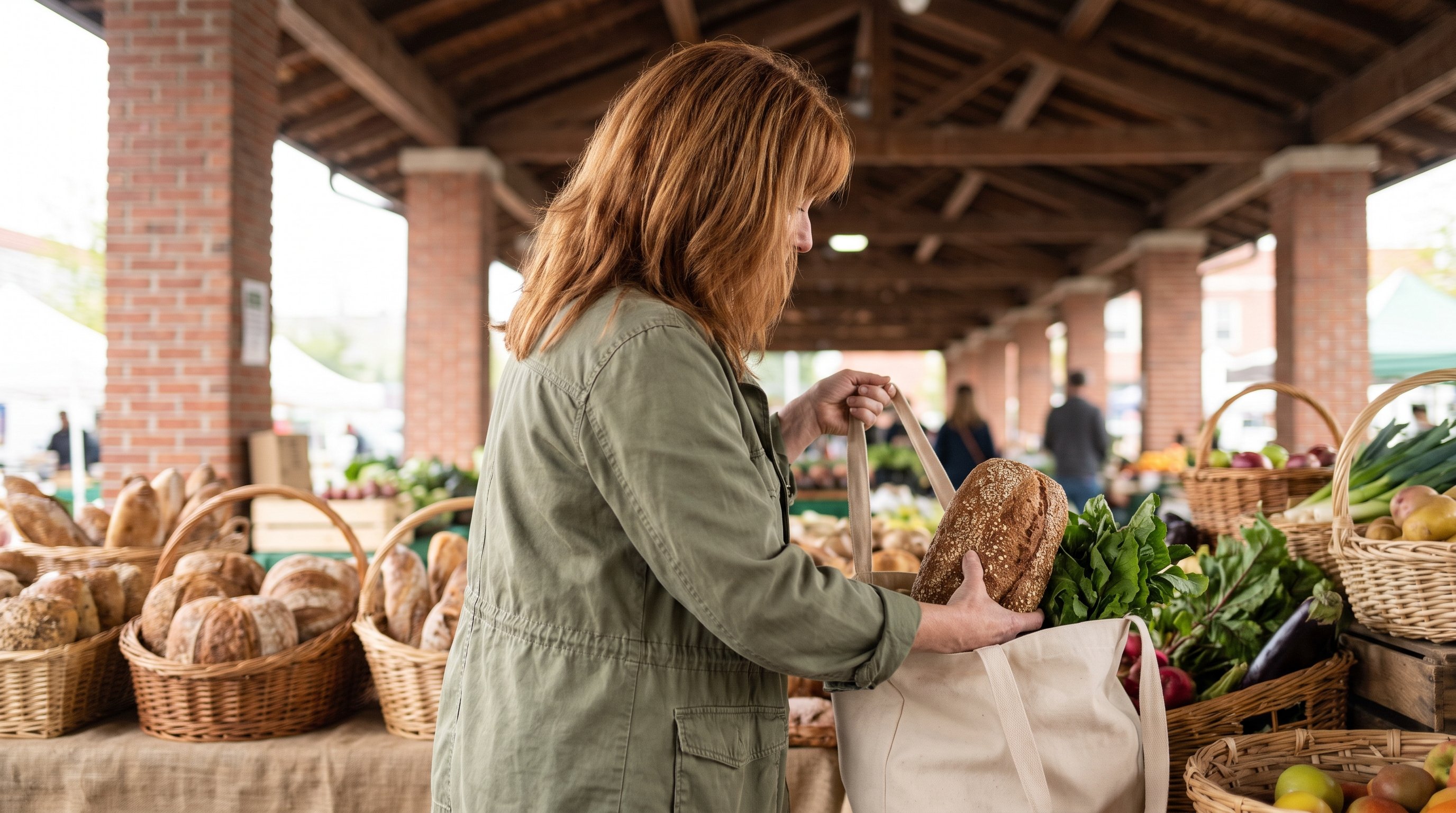
Trying to buy a long list of unfamiliar ingredients at once usually leads to abandoning the whole idea - a handful of staples repeated often is more workable than variety for its own sake.
Making Anti-Inflammatory Eating Easier With No More Diet
Knowing which foods to lean on is only half the problem - the other half is turning that into meals you'll actually cook on a Tuesday night.
No More Diet builds a tailored book around your goals and the way you already like to eat, with Mediterranean-inspired recipes that lean on vegetables, legumes, fish and olive oil without asking you to follow a rigid rulebook.
It also includes practical lifestyle guidance and a section dedicated to your specific goal, so the plan stays usable once the first week of enthusiasm wears off.
Eat Without Stress
Eat Clean Every Day
Starting This Week Without Overhauling Everything
Pick one meal to rebuild first - swap a refined grain for a whole one, or add a handful of legumes to something you already cook.
No More Diet can take that single swap and build a tailored plan around it, so the next meal and the one after that follow the same logic without extra guesswork.
FAQ
The pattern of eating more vegetables, legumes, whole grains and olive oil while cutting back on processed food can shift the overall balance of what you eat. It's the repeated pattern over time that counts, not any single meal or ingredient.
It overlaps heavily, since both lean on vegetables, legumes, fish and olive oil over processed food and refined grains. The emphasis here is simply on which foods within that pattern tend to crowd out the more processed options.
It doesn't need to be every day - leftovers, simple assembled meals and the occasional takeaway can all sit inside this pattern as long as most days lean the same direction. No More Diet is built around recipes that fit a busy week rather than assuming hours of free time.
Early motivation often carries the first couple of weeks before routine takes over, and that's usually when old habits creep back in. Keeping the pattern simple - a few repeated staples rather than constant variety - makes it easier to stay consistent once the novelty fades.
Share this post