Anti Inflammatory Recipes: Simple Meals You Can Cook All Week
By:Author:No More Diet Editorial
Updated on:October 19, 2026
- A Sample Day of Cooking This Way
- How Often These Ingredients Should Show Up
- Why Everyday Cooking Beats an Elaborate Protocol
- Making This Fit Around Work, Family and Fatigue
- Who This Pattern Suits and Where to Adjust It
- When the Effort Starts to Feel Automatic
- Letting No More Diet Handle the Recipe Planning
- Picking One Meal to Change This Week
The simplest way to cook this way is to lean on vegetables, oily fish, beans, whole grains and olive oil most days, and let everything else fit around that base.
There's no single dish doing the work here. It's the pattern across a week - more plants, more fibre, less ultra-processed filler - that matters, because the body responds to what shows up on the plate consistently, not to one lucky meal.
This guide walks through a sample day, how often certain foods should show up, why simple cooking beats a rigid plan, and how to keep the habit going once the novelty wears off.
A Sample Day of Cooking This Way
Here's one way a full day could look if you're building meals around this pattern. None of it needs special equipment or unusual ingredients.
A Day You Could Copy Tomorrow
- Breakfast - oats with berries, walnuts and a drizzle of olive oil or natural yoghurt
- Lunch - a big salad with chickpeas, cucumber, tomato, olives and olive oil
- Afternoon - a handful of almonds and a piece of fruit
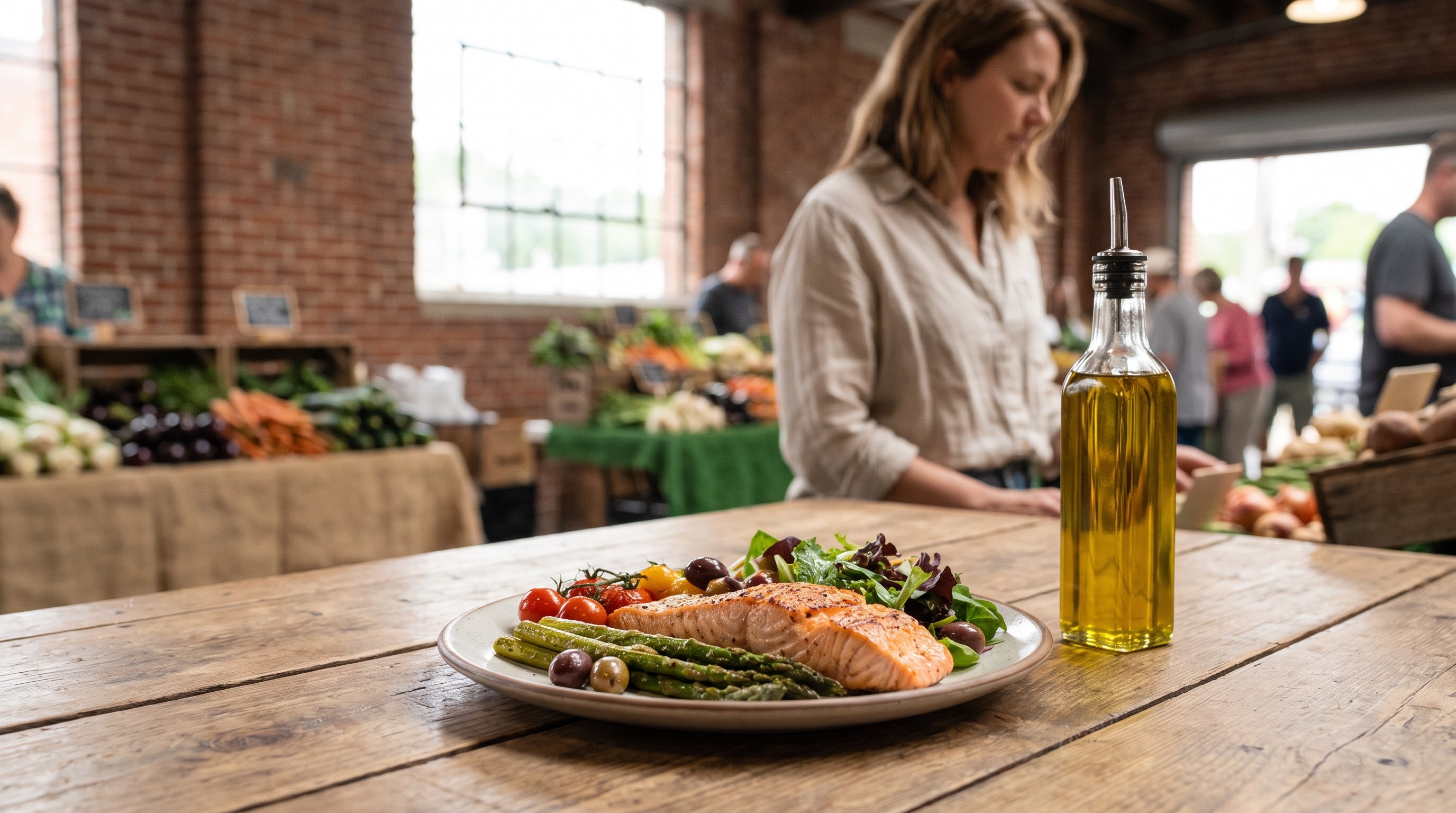
- Dinner - grilled salmon with roasted vegetables and a side of whole grains
- Evening - herbal tea instead of a sugary dessert
Swap any item for something similar from the same group - different fish, different beans, different greens - and the day still holds together.
How Often These Ingredients Should Show Up
A Weekly Target Worth Aiming For
Rather than counting every gram, it helps to think in terms of how many times a week certain food groups appear on your plate.
| Food Group | How Often |
|---|---|
| Vegetables | Most meals, daily |
| Oily fish | Two to three times weekly |
| Beans and legumes | Three to four times weekly |
| Olive oil | Daily, as main fat |
| Ultra-processed snacks | Kept occasional, not daily |
None of this needs to be exact. If vegetables show up most days and fish shows up a couple of times a week, the pattern is doing its job.
Why Everyday Cooking Beats an Elaborate Protocol
Compare two approaches: a strict elimination protocol that cuts out entire food groups, versus simply cooking more meals from vegetables, fish, beans and olive oil.
The elimination route asks you to track, restrict and often eat separately from everyone else at the table. That's a lot of friction for a plate of food.
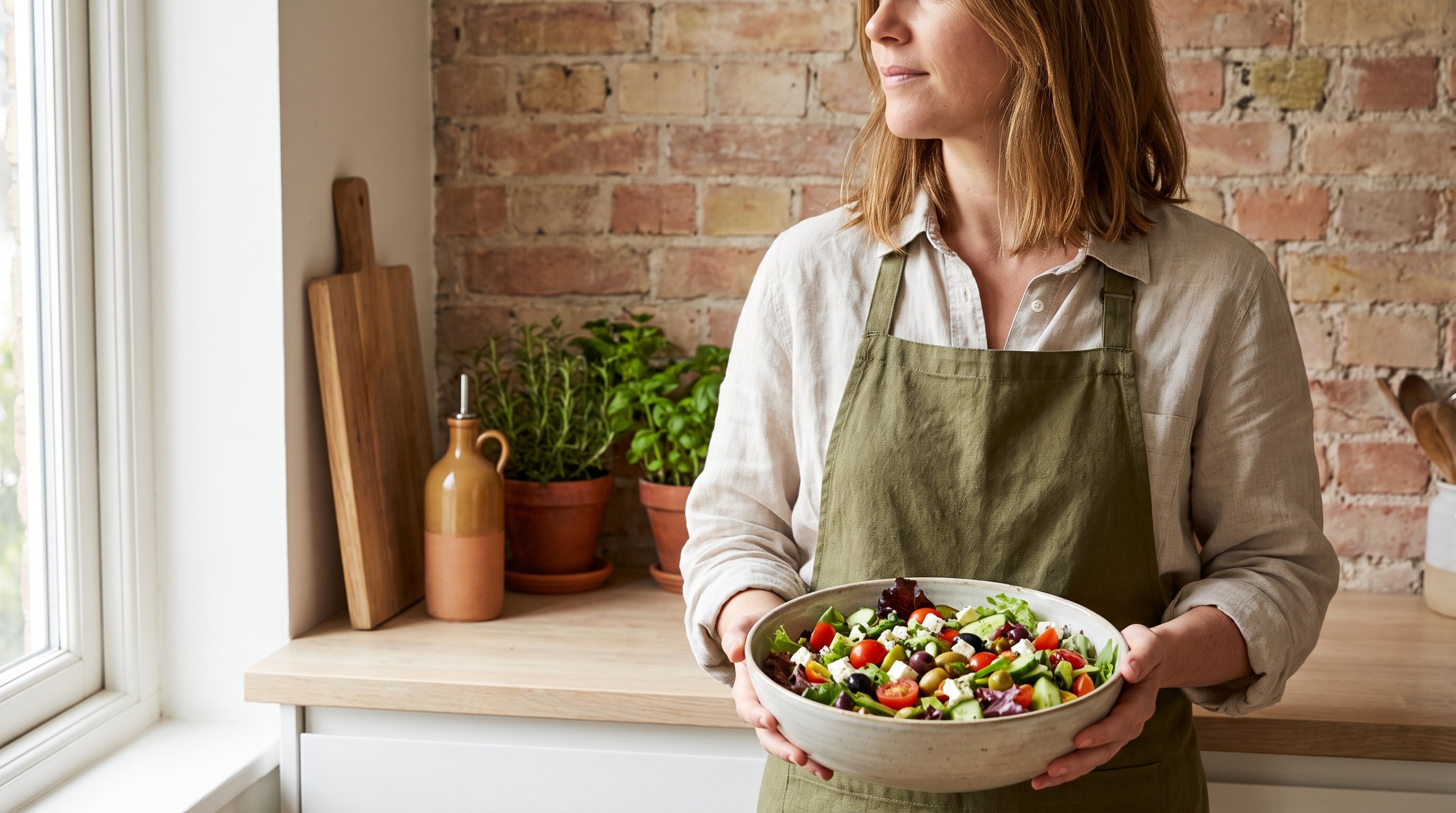
Simple substitution - swapping a processed snack for fruit and nuts, or butter for olive oil - asks for one small decision at a time.
Fewer decisions means fewer chances to quit, and that's the whole argument for keeping it simple.
Making This Fit Around Work, Family and Fatigue
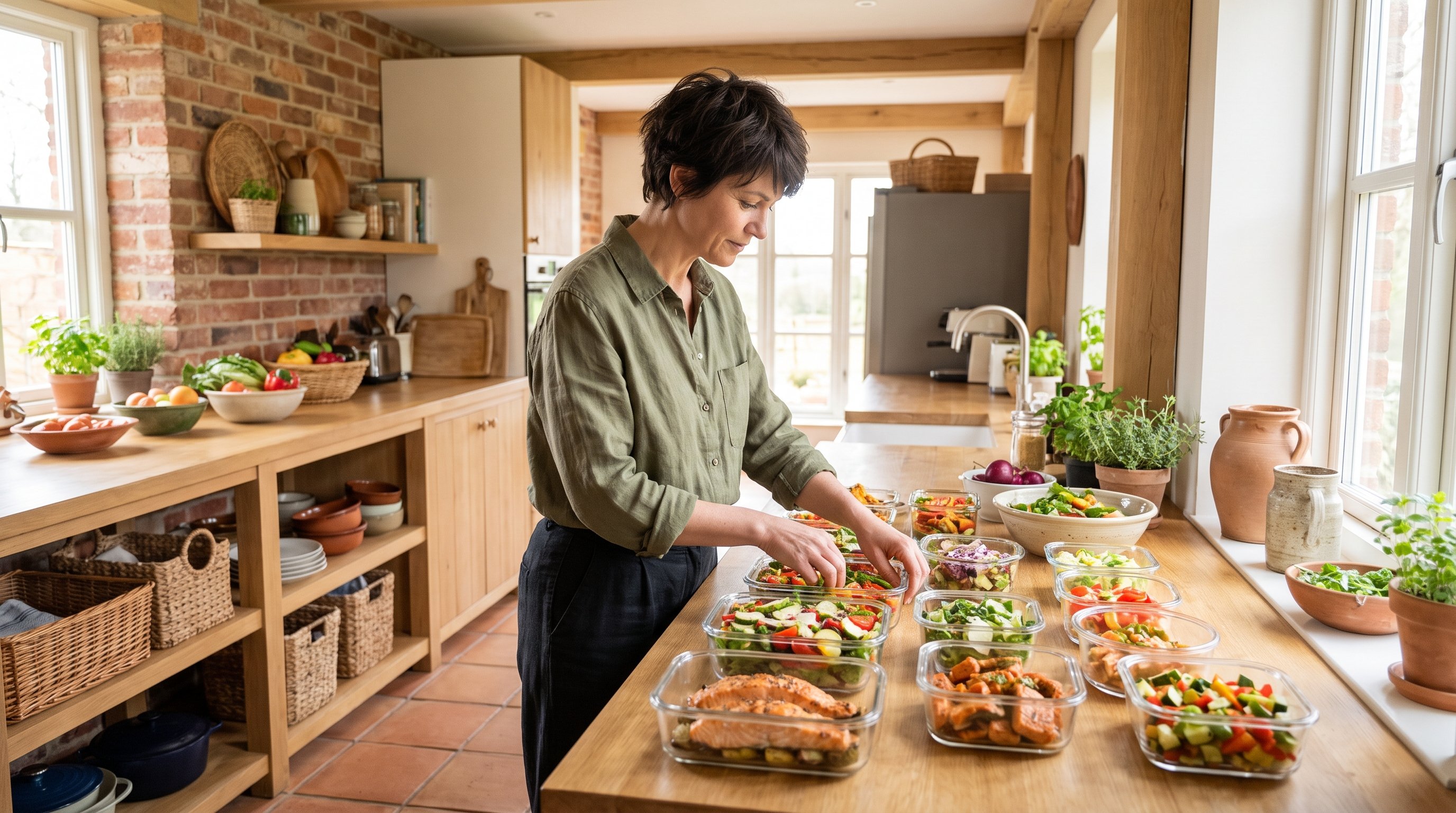
A busy week doesn't leave much room for elaborate cooking, which is exactly why this pattern works in real life - it's built from food you can prep once and reuse.
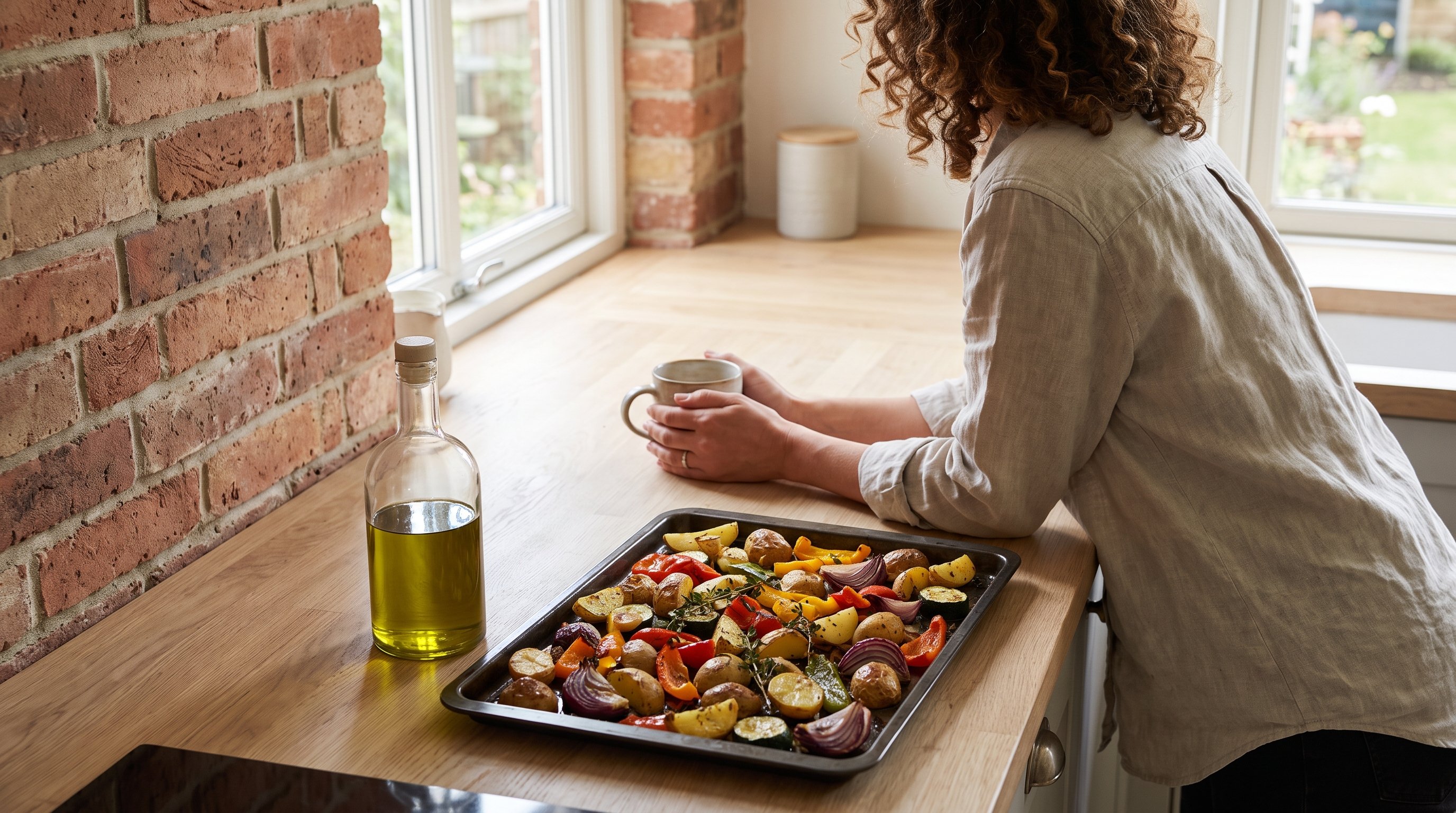
Roast a tray of vegetables on Sunday, cook a batch of beans or grains, and you've got building blocks for several dinners without starting from scratch each night.
This is where a meal plan built around food you already like matters - No More Diet focuses on Mediterranean-style meals that use the same core ingredients in different combinations, so there's less decision-making on a Tuesday evening.
Who This Pattern Suits and Where to Adjust It
If You're Just Starting Out
Start by adding one vegetable-heavy meal a day rather than overhauling every meal at once.
If You're Short on Time
Lean on pre-chopped vegetables, tinned beans and frozen fish fillets - they cook just as well and cut prep time right down.
If You're Cooking for a Family
Build meals around one shared base, like a grain bowl or a tray bake, and let people add their own extras rather than cooking separate dishes.
If You're Managing a Health Condition
This way of eating is food-first and medication friendly - it sits alongside whatever care you're already following, not instead of it.
When the Effort Starts to Feel Automatic
The first couple of weeks usually feel like extra effort because you're learning new combinations and restocking the kitchen.
Most people drop off around this point, not because the food doesn't work but because the novelty wore off before the routine set in.

Stay vague on timing and generous with patience - the goal is for these meals to stop feeling like a project and start feeling like what's normally in the fridge.
Letting No More Diet Handle the Recipe Planning
Coming up with new combinations every week is the part that wears people down, even when the ingredients themselves are simple.
No More Diet gives you a customized book built around Mediterranean-style recipes that match your eating preferences, so you're not reinventing meals from scratch each week.
It also includes a dedicated section focused on your specific goal, plus practical lifestyle advice on eating and staying consistent without overthinking every choice.
Eat Without Stress
Eat Clean Every Day
Picking One Meal to Change This Week
You don't need to rebuild your whole kitchen to start eating this way - pick one meal, add vegetables, beans or oily fish, and repeat it until it feels familiar.
Once that one meal sticks, add another, and the week fills itself in naturally.
No More Diet can take some of the guesswork out of that process with recipes and structure built around the same simple ingredients covered here.
FAQ
Eating more vegetables, fish, beans and olive oil consistently is a reasonable food-quality habit, though no single meal changes anything on its own. It's the pattern over weeks that matters, not any one recipe.
No - the approach here is substitution, not elimination, so nothing is fully off the table. The focus stays on what you add more of, not on cutting entire food groups out.
Tinned beans, frozen fish and pre-chopped vegetables work just as well as fresh and cut prep time considerably. No More Diet is built to give you tailored recipes so you're not planning every meal alone.
Most people drop off once the initial novelty fades and meals start to feel repetitive. Rotating a handful of simple combinations, rather than chasing variety for its own sake, tends to keep things going longer.
Share this post