Yoga for Weight Loss Beginners: A Gentle Starting Point
By:Author:No More Diet Editorial
Updated on:October 18, 2026
- Can Yoga for Weight Management Beginners Actually Work?
- Yoga Versus the Gym: Weighing the Two Routes
- Why a Gentle Practice Beats an Intense Routine You Quit
- Who Beginner Yoga Suits and How to Adjust It
- Fitting a Yoga Habit Into an Already Full Week
- How the Body Uses Energy: Understanding Fat and Energy
- Giving Yoga a Partner: No More Diet for the Other Half
- Starting Your First Week of Beginner Yoga
Yoga for weight management beginners works best as one piece of a bigger picture, not a standalone fix. It can burn a modest amount of energy, build strength, and make it easier to stick with other healthy habits, but the body draws on stored energy from all over rather than any one area.
The mechanism is simple: movement uses energy, strength work changes how your body handles that energy over time, and a calmer nervous system can make it easier to eat in a way that supports your goals.
This article covers whether yoga actually does anything for weight, how it stacks up against higher-intensity workouts, who it suits, and how to fit it into a week that is already full.
Can Yoga for Weight Management Beginners Actually Work?
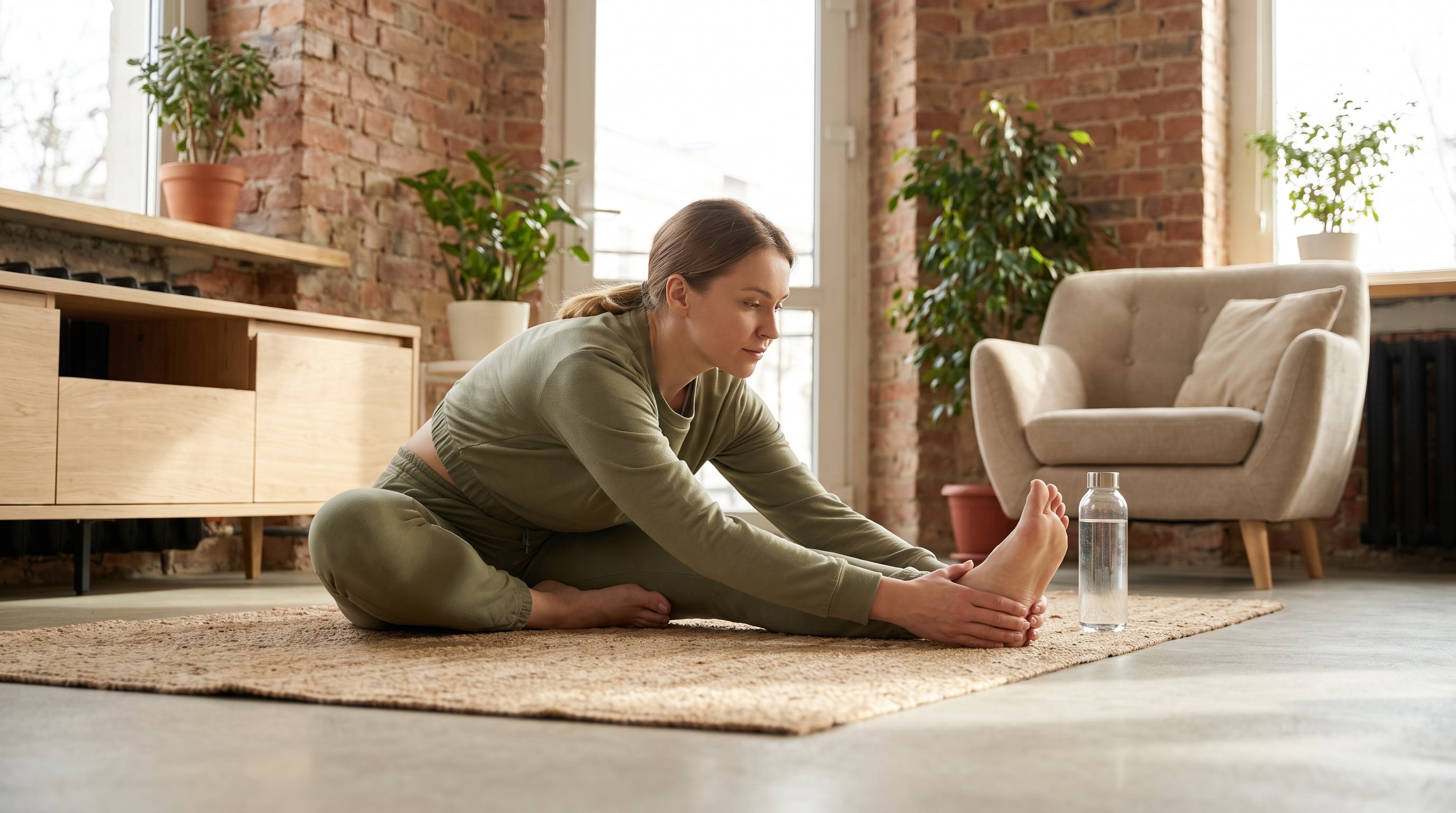
Yoga works the way any movement works: it asks your muscles to do something, which uses energy, and over weeks that adds up.
A gentle beginner class is lower intensity than running or cycling, so the energy used in a single session is smaller - but it is not nothing, and it is movement you can repeat without dreading it.
The Honest Arithmetic
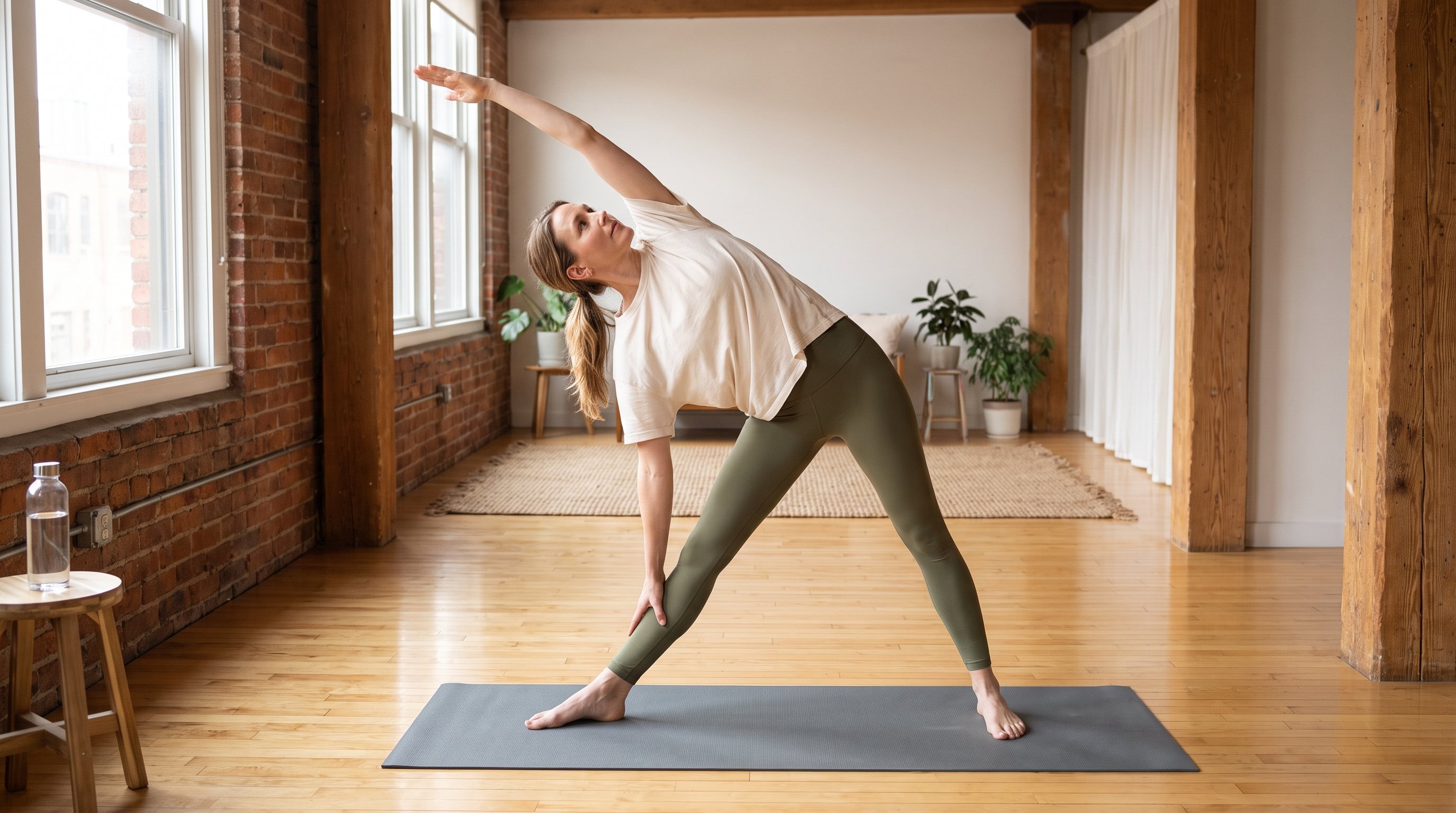
If a beginner session replaces 30 minutes of sitting, that is 30 minutes of muscle activity you would not otherwise have had. Do that four or five times a week and you have built a routine, which matters more for long-term results than any single class.
Strength-based styles like vinyasa or power yoga ask more of your muscles than restorative or yin styles, so the style you pick changes how much work each session actually does.
The body draws on stored energy from all over, not from any one area no matter which poses you focus on.
Yoga Versus the Gym: Weighing the Two Routes
Beginners often ask whether yoga is enough on its own or whether it needs to sit alongside gym-style training.
The honest answer is that both can support weight management, but they do it through different mechanisms and suit different people.
| Factor | Yoga | Gym Training |
|---|---|---|
| Equipment needed | Mat only | Machines, weights |
| Learning curve | Gentle, self-paced | Steeper for beginners |
| Joint impact | Low impact | Varies by exercise |
| Session intensity | Low to moderate | Moderate to high |
| Habit stickiness | Easy to repeat daily | Often harder to sustain |
Neither column is the correct answer for everyone - the one you will actually do most weeks is the one worth starting with.
Why a Gentle Practice Beats an Intense Routine You Quit
A hard HIIT class burns more energy in 20 minutes than a beginner yoga flow does, but that only matters if you keep showing up.
Plenty of beginners start intense training, feel wrecked by week two, and stop altogether - at which point the higher burn rate is worth nothing.
Yoga asks less of your body in a single session, which means soreness and burnout are less likely to derail the whole plan.
A routine you repeat four times a week for months outperforms a harder one you do twice before giving up, simply because the repeated sessions add up and the abandoned plan does not.
Who Beginner Yoga Suits and How to Adjust It
Yoga adapts well because almost every pose has an easier version, which makes it workable for a wide range of starting points.
Complete Beginners
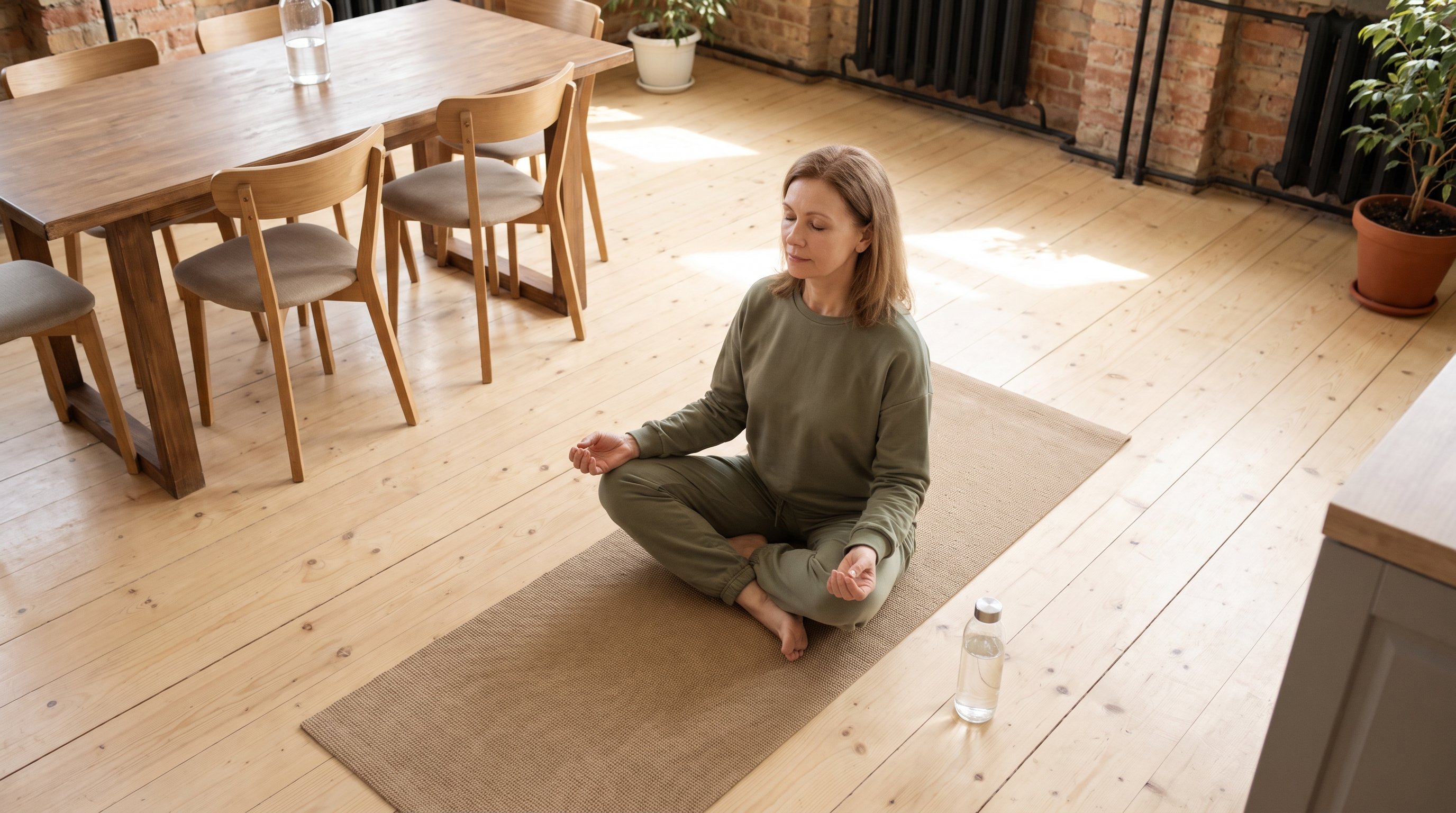
Start with a short, slow class focused on basic poses and breathing rather than flow sequences. The goal in the first weeks is learning the shapes, not building intensity.
Busy Schedules
A 15-minute session before work or after dinner still counts and is easier to protect than a full hour at a studio. Consistency across short sessions beats one long session you keep cancelling.
Older Adults
Chair-supported or slow-paced styles reduce strain on joints while still building strength and balance. Standing on one leg unsupported can wait until balance and confidence improve.
People Returning After a Break
Go back to beginner-level classes even if you have practised before - bodies change, and starting gentle avoids overdoing it in week one.
Fitting a Yoga Habit Into an Already Full Week
The easiest way to keep a yoga habit alive is to attach it to something you already do, like right after brushing your teeth or during a lunch break.
Short, repeated sessions beat occasional long ones because they are easier to schedule and harder to talk yourself out of.
What you eat around those sessions still matters more than the sessions themselves for weight management, which is where a meal plan built around food you already like makes the rest of the habit easier to sustain - something No More Diet is built to support.
Pairing movement you enjoy with eating you do not dread is a far more durable combination than either one alone.
How the Body Uses Energy: Understanding Fat and Energy
A common hope among beginners is that core-focused poses will shrink the stomach specifically.
That is not how the body works - the body decides where it draws stored energy from based on genetics and overall patterns, not the exercise you focus on.
Core poses build strength and stability in that area, which is useful for posture and other movement, but this does not mean the body draws stored energy from that specific zone.
The real answer is that overall activity and eating pattern influence energy and body composition over time, spread across the whole body rather than one targeted zone.
Giving Yoga a Partner: No More Diet for the Other Half
Yoga handles movement, but the eating side of weight management is where a lot of beginners get stuck without a clear plan.
No More Diet is a Mediterranean-inspired book built specifically for your goals, body and eating style, so it works alongside a gentle movement habit rather than asking you to overhaul everything at once.
It includes Mediterranean recipes matched to your preferences, a section focused entirely on your specific goal, and practical lifestyle advice on eating and staying consistent without overthinking every meal.
The structure and motivation inside are designed to keep you going on the days a yoga mat alone is not enough.
Eat Without Stress
Eat Clean Every Day
Starting Your First Week of Beginner Yoga
Pick two or three short sessions this week, keep them gentle, and notice how your body feels afterwards rather than chasing intensity.
Pair that movement with an eating pattern you can actually repeat - this is where No More Diet can take some of the guesswork off your plate while the yoga habit settles in.
FAQ
Yoga can use energy and build strength, but on its own it is unlikely to drive major change without attention to eating pattern as well. Treat it as one part of a wider routine rather than the whole plan.
Gentle does not mean ineffective - it means lower impact and easier to repeat, which matters for building a habit that lasts. Stronger styles like vinyasa can raise the intensity once the basics feel comfortable.
Ten or fifteen minutes is a legitimate starting point, and it is far better than skipping movement altogether while waiting for a free hour. Short sessions stacked across the week add up the same way a book like No More Diet stacks small eating changes into a workable pattern.
Soreness, unclear routines, and not seeing fast change are the usual reasons people drop off. Starting gentle, sticking to a short and repeatable schedule, and pairing it with realistic eating habits all make quitting less likely.
Share this post