Mediterranean Grocery Shopping List: Shop Smarter Every Week
By:Author:No More Diet Editorial
Updated on:October 18, 2026
- Does a Grocery List Actually Change What You Eat?
- How the List Actually Comes Together
- How Often Should You Restock Each Category?
- Why a Simple List Beats an Elaborate Meal Plan
- Fitting This List Into a Genuinely Busy Week
- The Myth That One Perfect Shop Fixes Your Diet
- What Actually Changes the Result of This List
- Mistakes That Quietly Undo a Grocery List
- Making Mediterranean Grocery Shopping Easier With No More Diet
- Putting Your Own Grocery List Into Practice
A Mediterranean grocery shopping list works because it puts the same core ingredients in your trolley every week, so cooking stops being a daily decision and becomes a repeatable routine.
The mechanism is simple: when vegetables, legumes, whole grains, fish and olive oil are already in the house, they get used, and the processed food that would otherwise fill the gap never gets bought in the first place.
This article covers what the list actually does, how to build one, how often to shop, and where most lists quietly fall apart.
Does a Grocery List Actually Change What You Eat?
Yes, because what's in the house largely decides what gets cooked, and a list written in advance stops impulse items from crowding out the staples.
The arithmetic is plain: if a weekly shop contains seven dinners' worth of vegetables, a protein source and a grain, that's seven meals that don't need to be improvised from whatever's left in the cupboard.
Compare that to shopping without a list, where the same study has shown nothing - instead, trolleys tend to fill with whatever looks appealing that day, which is fine occasionally but unreliable as a weekly pattern.
A written list removes that guesswork and turns grocery shopping into a five-minute task instead of a daily negotiation with yourself.
How the List Actually Comes Together
Start With What You Already Cook
Look at the last two weeks of dinners and pull out the ingredients that repeat - most households already lean on five or six core meals without realising it.
Building the list around existing habits means less gets wasted, because you're buying for meals you already know you'll make.
Group by Category, Not by Recipe
Organise the list into vegetables, legumes and grains, fish and lean protein, dairy, and pantry staples like olive oil and herbs.

This way, if one vegetable is out of stock, there's a whole category of substitutes already on the list, so the shop doesn't derail.
How Often Should You Restock Each Category?
Match the Shop to Shelf Life
Fresh vegetables and fish don't keep as long as grains and tinned legumes, so splitting the list by how often each category needs restocking avoids both waste and last-minute gaps.
The table below gives a simple weekly rhythm anyone can adapt.
| Category | Shopping Frequency |
|---|---|
| Fresh vegetables | Twice a week |
| Fish and lean protein | Once or twice a week |
| Legumes and whole grains | Every two weeks |
| Olive oil and pantry staples | Monthly |
| Fruit and nuts | Weekly |
Why a Simple List Beats an Elaborate Meal Plan
A detailed seven-day meal plan with exact recipes looks impressive, but it only works if every single ingredient is used exactly as planned, and real weeks rarely cooperate that neatly.
A category-based grocery list is more forgiving: swap one fish for another, one leafy green for a different one, and the week still holds together.
Fewer rigid instructions mean fewer chances to feel like the week has gone wrong, which is exactly why a flexible list tends to outlast a strict plan.
Fitting This List Into a Genuinely Busy Week
Nobody has time to write a fresh list from scratch every Sunday, so the easiest approach is keeping one master list and just circling what's needed that week.
This is where having recipes already matched to your preferences helps, since a shopping list is only as useful as the meals it's actually feeding.
No More Diet includes Mediterranean recipes built around your own eating preferences, so the list you shop from connects directly to meals you'll actually want to cook that week.
The Myth That One Perfect Shop Fixes Your Diet
A single well-stocked trolley does not rewrite months of eating habits, and no grocery list targets fat loss in any specific part of the body - that is not how the body works.
What a good list actually does is remove daily friction, making the better option the easiest one to reach for, meal after meal.
The real answer is unglamorous: it's the repeated, boring act of restocking the same staples week after week that adds up, not one standout shopping trip.
What Actually Changes the Result of This List
Three things tend to separate a list that works from one that gets ignored by Wednesday.
What Makes the Difference
- Buying for meals you'll actually cook - a list built around real habits gets used; one copied from an aspirational meal plan usually doesn't.
- Keeping pantry staples topped up - olive oil, tinned legumes and whole grains sitting ready means a meal is never more than ten minutes from being cookable.
- Shopping on a set day each week - a fixed habit removes the daily decision of whether to shop, which is often the actual barrier.
Mistakes That Quietly Undo a Grocery List
Buying for an Idealised Week
Lists written for a perfect seven dinners at home often ignore the two nights you'll actually eat out or order in - plan for the week you'll really have.
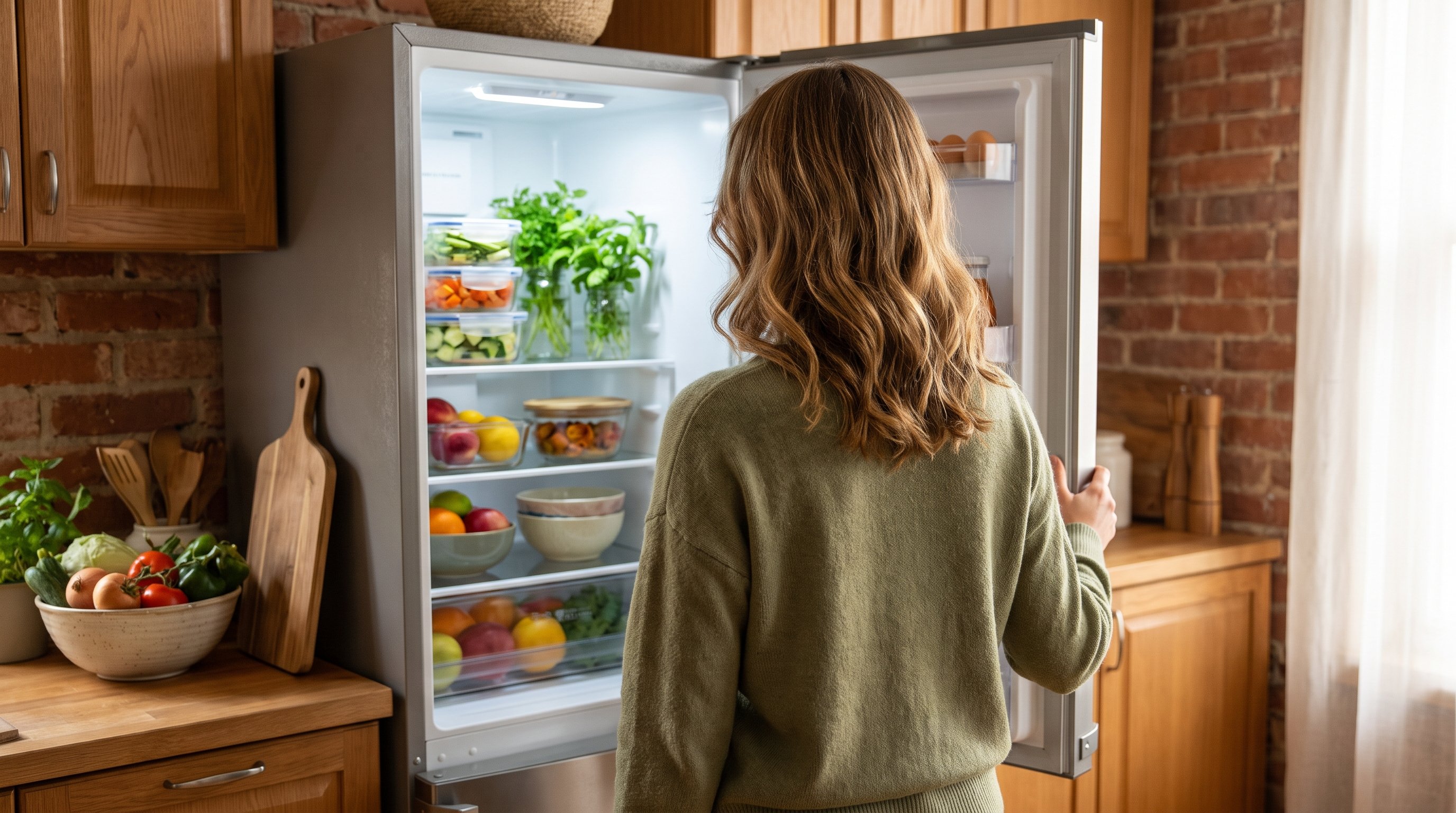
Shopping Without Checking the Fridge
Buying fresh vegetables on top of ones already wilting at the back of the fridge is how waste happens - a thirty-second check before leaving saves money and food.
Skipping the Pantry Basics
Running out of olive oil or a core spice mid-week derails a meal that was otherwise ready to go - keep a running note of what's low.
Shopping Hungry
A hungry trolley fills with snack items rather than the staples on the list - eating something small first keeps the shop on track.
Making Mediterranean Grocery Shopping Easier With No More Diet
A grocery list only earns its keep when it leads to meals that feel worth cooking, which is where most generic lists fall short - they're built for nobody in particular.
No More Diet pairs Mediterranean recipes tailored to your eating style with practical lifestyle advice, so the ingredients on your list map directly onto meals built for your goals, not a generic template.
With a dedicated section focused on your specific goal, the book gives shopping and cooking a clear direction instead of leaving you to guess what to buy each week.
Eat Without Stress
Eat Clean Every Day
Putting Your Own Grocery List Into Practice
Start with one master list split into the categories covered here, then circle what's actually needed before each shop instead of rewriting it from scratch.
No More Diet can take that list further by matching it to recipes built around what you already like to eat, so the shop and the meal plan finally line up.
FAQ
A well-stocked list makes vegetables, legumes and lean protein the easy option, which supports steadier eating patterns over time. It isn't a figure or a guarantee, but it removes a lot of the daily decisions that lead to less helpful choices.
Buying dried legumes, seasonal vegetables and olive oil in bulk is often comparable to, or cheaper than, a trolley full of packaged convenience food. Pantry staples like grains and tinned beans also last for weeks, so the cost spreads out.
One weekly shop works fine if it's organised around shelf life, with fresh items used early in the week and pantry staples carrying you through the rest. No More Diet's recipes are built with real schedules in mind, so a single shop can still cover a full week of meals.
That usually means the list was built around an idealised week rather than a real one, so start by listing the meals you're confident you'll actually cook. Buying slightly less and restocking mid-week is better than overbuying and composting the difference.
Share this post