Daily Step Count for Weight Loss: A Realistic Target
By:Author:No More Diet Editorial
Updated on:October 18, 2026
- A Week of Walking You Could Actually Repeat
- How Many Steps a Day Actually Adds Up
- Why Walking Beats an Intense Workout Plan for Most People
- Fitting More Steps Into a Day That's Already Full
- Who Benefits Most From a Daily Step Habit
- When a Walking Habit Starts to Pay Off
- Making a Step Count Habit Stick With No More Diet
- Turning a Step Count Into a Habit That Lasts
There's no single magic number, but a daily step count somewhere between 7,000 and 10,000 is a reasonable target for most people working on weight management. More steps mean more energy spent, and that energy gap is one piece of the puzzle, not the whole picture.
Walking burns energy through plain movement, no special technique required. Add up enough of it across a week and the numbers start to matter more than any single walk ever could.
This article covers what a realistic walking week looks like, how many steps to aim for, why walking beats harsher workout plans for most people, and how to fit it into a day that's already full.
A Week of Walking You Could Actually Repeat
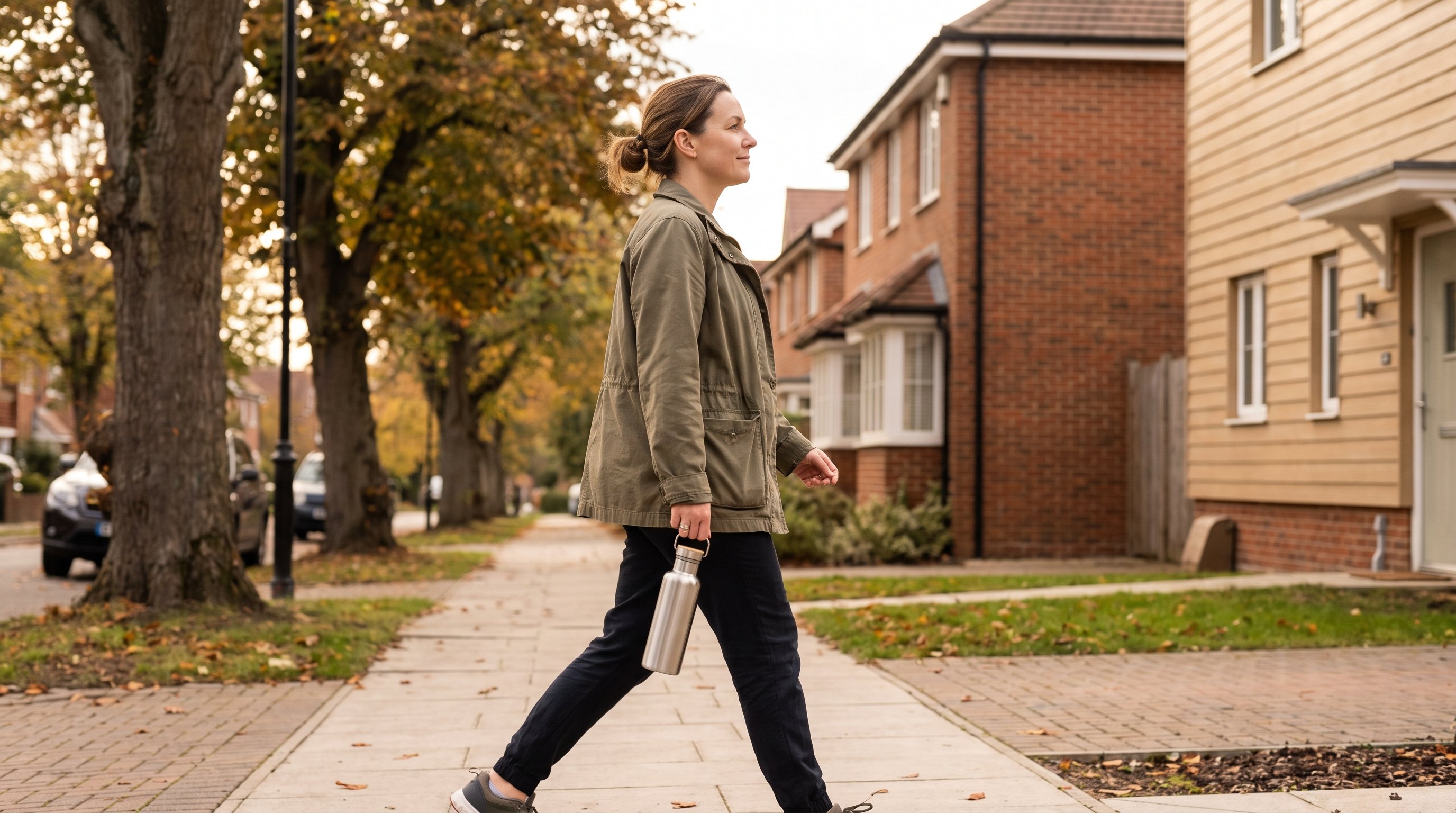
A good walking week doesn't need to look impressive. It needs to look repeatable, which usually means mixing short walks into the day rather than one long outing.
A Sample Walking Week
- Monday to Friday - a 15-minute walk after lunch plus a 10-minute walk after dinner
- Saturday - one longer walk of 30 to 40 minutes, done at an easy pace
- Sunday - a lighter day with a short walk or two, whatever feels manageable
- Every day - parking further away or taking stairs where possible, which adds steps without needing extra time set aside
None of this requires special kit or a gym membership. It just requires shoes and a door.
How Many Steps a Day Actually Adds Up
Turning a Step Target Into a Weekly Habit
A target of 8,000 steps a day works out to 56,000 steps across a week, which sounds like a lot until it's broken into smaller walks spread across the day.
| Daily Step Target | Approx. Distance | Approx. Time |
|---|---|---|
| 5,000 steps | About 4 km | Around 45 minutes |
| 7,500 steps | About 6 km | Around 65 minutes |
| 10,000 steps | About 8 km | Around 90 minutes |
| 12,500 steps | About 10 km | Around 110 minutes |
These are rough figures based on an average stride, so actual distance and time will vary from person to person. The point isn't precision, it's having a number to aim for that fits into an actual day.
Why Walking Beats an Intense Workout Plan for Most People
An intense daily workout plan looks better on paper, but it only works if someone actually keeps doing it. Walking wins because it's hard to dread and easy to repeat, week after week, without needing recovery days or special motivation.

A punishing gym routine that gets skipped after two weeks adds up to less total movement than a modest walking habit kept up for months. Consistency beats intensity when the intensity doesn't survive contact with a busy week.
This isn't an argument against exercise. It's an argument for picking the version of movement that's still happening in month three, not just week one.
Fitting More Steps Into a Day That's Already Full
Most days don't have a spare hour sitting around waiting to be filled with exercise. Steps have to get squeezed into the cracks: a call taken while pacing, a walk to the shop instead of a short drive, a lap of the block before sitting down to dinner.
This is also where eating habits start to matter alongside movement, because steps alone don't undo a day of eating that works against the goal. No More Diet pairs Mediterranean-inspired recipes and practical lifestyle advice with the kind of everyday movement habits covered here, so walking more and eating well end up working together instead of being two separate projects.
The goal isn't to turn walking into another chore on the list. It's to let it ride along with things already happening in the day.
Who Benefits Most From a Daily Step Habit
Starting From Very Little Movement
Someone who currently sits most of the day doesn't need to jump straight to 10,000 steps. Starting around 4,000 to 5,000 and adding a bit most weeks is a more realistic way to build the habit without burning out on it.
Busy Schedules With No Spare Hour
Splitting steps into three or four short walks across the day works just as well as one long session for most purposes. A 10-minute walk after each meal adds up quickly without needing a gap in the calendar.
Older Adults Easing In
Shorter, more frequent walks on flat ground are a sensible starting point, with pace and distance increased gradually as it feels comfortable. There's no rush to hit a specific number by a specific date.
People Who've Tried and Stopped Before
If a step target has failed before, the usual reason is starting too high and feeling discouraged fast. Dropping the target lower than feels impressive and actually hitting it most days works better than chasing a number that gets abandoned by Thursday.
When a Walking Habit Starts to Pay Off
The first couple of weeks of a new step habit often feel like effort with nothing to show for it, which is exactly where most people quit. That's normal, and it doesn't mean the approach isn't working.
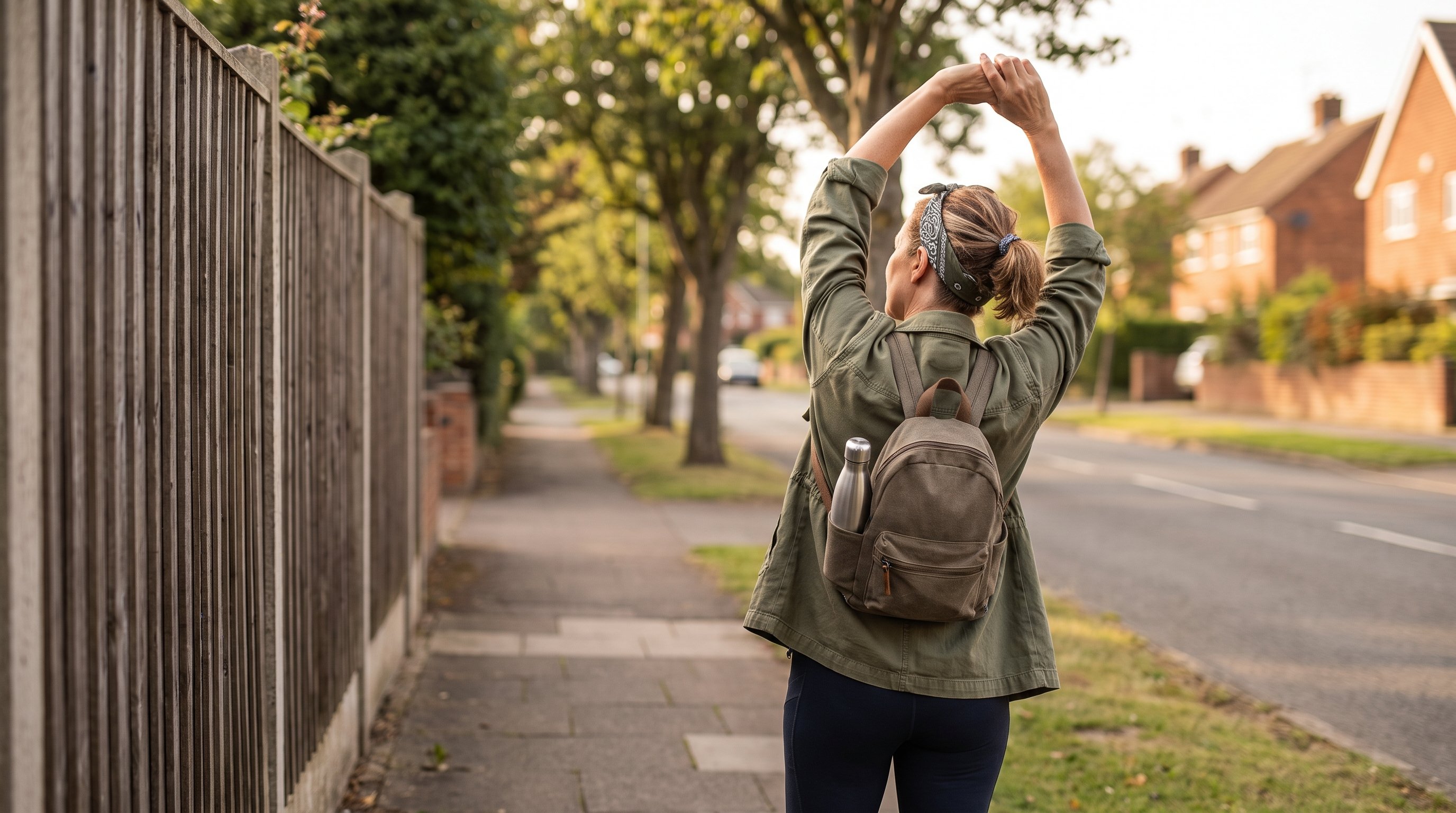
Energy expenditure from walking builds gradually as the habit becomes automatic rather than something that needs deciding on each morning. Results from any movement or eating change tend to show up over a stretch of months rather than days, so it's worth judging the habit by whether it's still happening, not by how quickly it feels different.
Staying patient through the unremarkable early weeks is the part that actually decides whether the habit sticks.
Making a Step Count Habit Stick With No More Diet
Walking more is one half of a sensible routine, and what ends up on the plate is the other half. Trying to manage both at once, from scratch, with no structure, is where a lot of good intentions quietly fall apart.
No More Diet gives you Mediterranean recipes tailored for your eating style, a dedicated section built around your specific goal, and practical lifestyle advice on eating and moving without overthinking every choice. It's built to work alongside a step habit like the one in this article, not compete with it for attention.
Eat Without Stress
Eat Clean Every Day
Turning a Step Count Into a Habit That Lasts
A daily step count works best when it's treated as a floor, not a finish line: something to hit most days rather than perfectly every day. Pick a number that fits into the life already being lived, not the one that sounds most impressive.
Start this week with one small addition, like a walk after dinner, and let the number grow from there. No More Diet can sit alongside that habit, handling the food side while the steps take care of themselves.
FAQ
Somewhere between 7,000 and 10,000 steps a day is a reasonable target for most people, though any increase over a current baseline helps the overall energy balance. The exact number matters less than whether it's one you can actually hit most days.
Walking covers general movement and energy expenditure well, but it doesn't build strength or target specific areas of the body, since no form of exercise can do that. It's a solid foundation that works well alongside other habits, including what's being eaten day to day.
Steps don't need a dedicated block of time to count; they can be split across short walks during calls, errands or breaks. A few 10-minute walks spread through the day add up the same as one longer session.
Most people set a target that's too ambitious for their starting point, then feel discouraged when it's missed repeatedly. Starting lower, tracking progress alongside food choices with something like No More Diet, and raising the target gradually tends to hold up better over time.
Share this post